
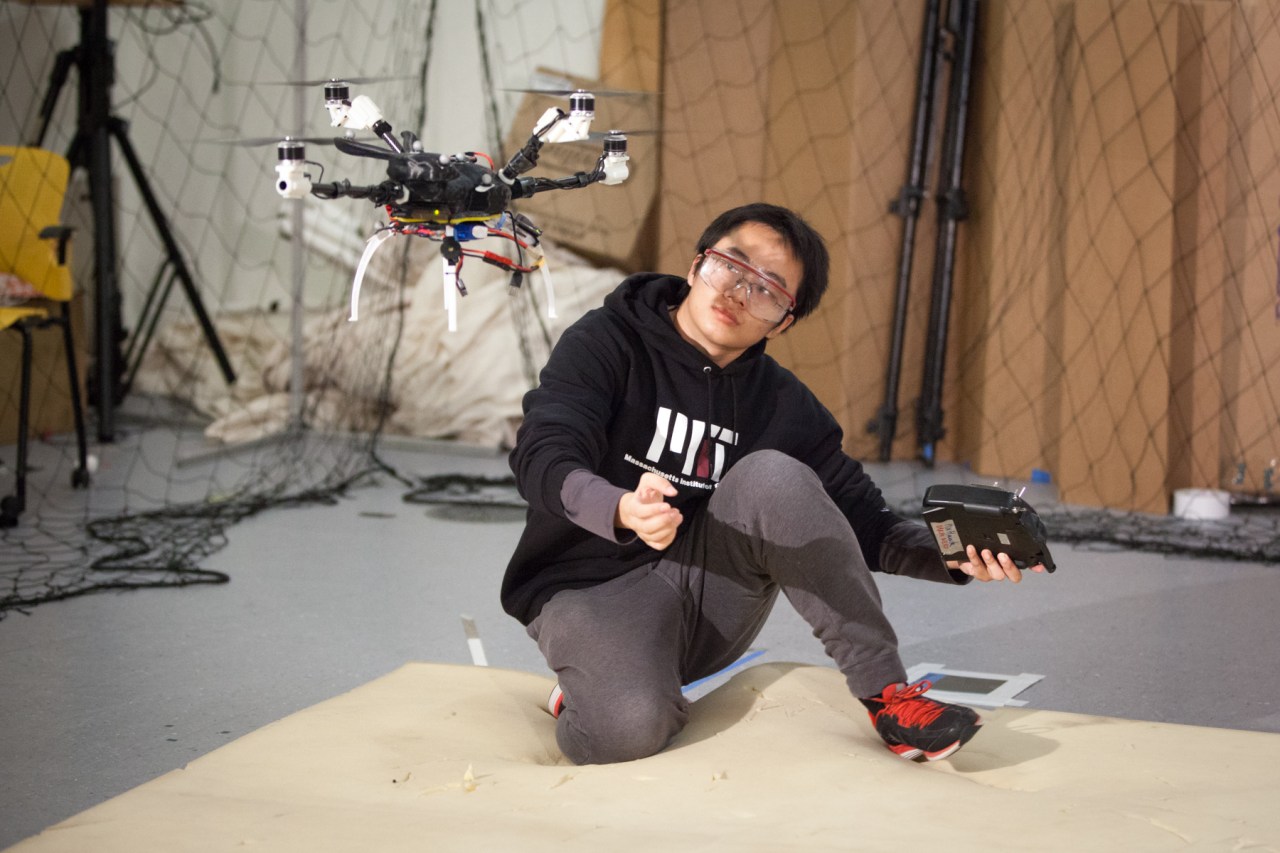
In the ever-evolving world of technology, drones have become ubiquitous. From aerial photography to package delivery, they have solidified their place in everyday life. However, the majority of these drones cater to a generalized consumer base, typically presenting a one-size-fits-all approach. This is where the Massachusetts Institute of Technology (MIT) shines with its innovative DIY design system, pioneered by the Computer Science and Artificial Intelligence Laboratory (CSAIL). This remarkable project aims to make drones more customizable and adaptable to meet specific needs.
The Quest for Customization
In most cases, consumers are presented with off-the-shelf drones that prioritize functionality, often for photography or recreational flying. MIT’s CSAIL has recognized that what works for one user may not fit another’s requirements. Therefore, their system allows users to tailor drones based on an extensive range of parameters: from size and shape to rotor configuration. Users can mix and match rotors and rods, ultimately crafting a drone that is perfectly aligned with their intended use.
A Smarter Design Process
The true genius of MIT’s DIY system lies in its built-in functionality to check for essential performance metrics like take-off, hover, and landing capabilities. This ensures that any custom design is not just theoretical; users can confidently build drones that are guaranteed to operate effectively. In a nutshell, the design process has been simplified significantly. Here’s how:
- Enhanced Ease of Use: The system enables users to focus solely on their project requirements without wading through unnecessary complexities.
- Real-time Optimization: By establishing baseline optimization assumptions, the system minimizes the variables designers have to juggle, allowing for a more intuitive approach to custom builds.
- Performance Trade-offs: Users can make informed decisions. For example, adding rotors increases carrying capacity but can also decrease battery life—a trade-off that can be considered during the design phase.
Applications in Diverse Fields
The potential applications for this customizable drone design system are extensive and far-reaching. Beyond industrial and commercial uses, the system supports specialized tasks such as scientific surveys and environmental monitoring. Organizations like the National Science Foundation, the Air Force Research Laboratory, and the EU’s Horizon 2020 research program are keenly interested in leveraging tailored drone designs for specific missions.
Future Implications
This innovative approach to drone customization heralds a new era where technology is not just about convenience but also about versatility and adaptability. As this system continues to develop, we can expect drone usage to expand exponentially across various fields, enhancing data collection methods, surveillance capabilities, and even emergency response operations.
Conclusion
MIT’s DIY design system is paving the way for a new chapter in the world of drone technology. By providing users with the tools to create drones that fit their precise needs, it stands to unlock a world of opportunities previously limited by off-the-shelf models. As customization takes center stage, individuals and organizations alike will have the capacity to innovate and improve their operations through tailored designs.
At fxis.ai, we believe that such advancements are crucial for the future of AI, as they enable more comprehensive and effective solutions. Our team is continually exploring new methodologies to push the envelope in artificial intelligence, ensuring that our clients benefit from the latest technological innovations.
For more insights, updates, or to collaborate on AI development projects, stay connected with fxis.ai.