
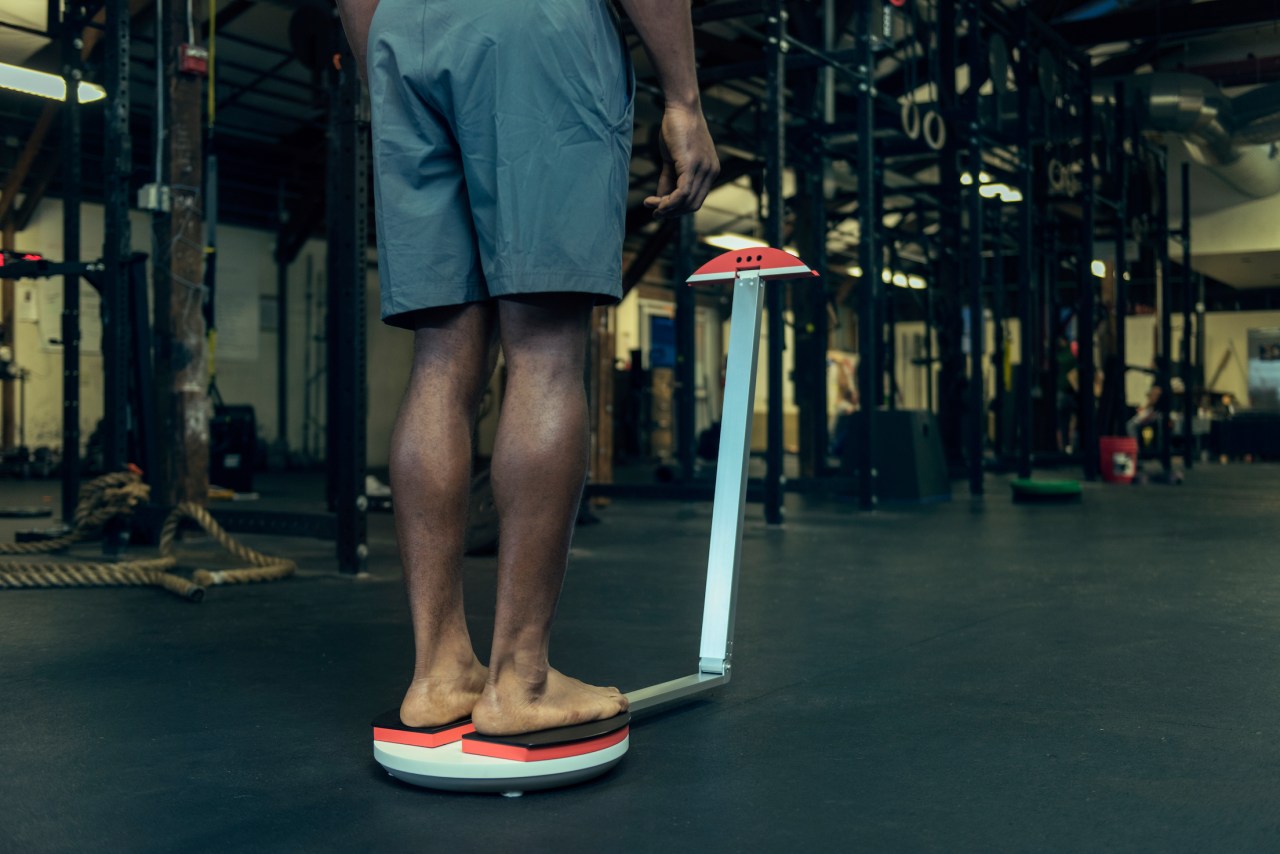
Gone are the days when stepping onto the bathroom scale merely resulted in a solitary number, relegating our efforts at fitness to a simplified—and often misleading—assessment of our health. With the advent of technology-driven solutions, fitness enthusiasts now have more sophisticated tools at their disposal. Chief among these innovations is ShapeScale, a pioneer in 3D body scanning that redefines how we track our fitness journeys.
Understanding the ShapeScale
Imagine a device that not only tells you your weight but also visualizes the intricacies of your body composition. ShapeScale achieves this through an ingenious combination of a mechanical arm and depth sensors, creating a comprehensive, 3D map of your physique. This means that rather than receiving just a number indicating your weight, you gain insights into your muscle mass, fat distribution, and even progress over time.
The Process: How Does It Work?
- The user steps onto the ShapeScale, which features a robotic arm that glides around your body, capturing dimensions and contours.
- The depth sensors generate a precise 3D model of your figure, reflecting muscle tone and areas of fat accumulation.
- Trackable heat maps visually represent fat loss and muscle gain, allowing you to see tangible proof of your hard work.
For those on a fitness journey, this detailed information is revolutionary. Instead of simply focusing on weight loss, individuals can celebrate gains in muscle tone or reductions in body fat, fostering a healthier relationship with their bodies.
Pre-Order Details and Market Potential
Since the launch of pre-orders, ShapeScale has ignited considerable interest, especially within the fitness community. The device costs $499 for pre-order customers, with a $99 deposit to reserve a unit. This price includes not just the 3D body scanner, but the promise of accurate tracking and insights into one’s physical health—features that traditional scales simply cannot offer.
A Unique Selling Proposition: More Than Just a Scale
What sets ShapeScale apart is its emphasis on personalization and visual representation. The company acknowledges that each person’s body is unique, and the data generated allows users to witness their transformation over time. While the initial visual fidelity may serve as a step in refinement, the core functionality of tracking changes accurately is what the product is truly designed for.
Why 3D Scanning Matters in Fitness
The move toward incorporating advanced technology like 3D body scanning in everyday fitness routines can usher in a more rewarding experience. Here are some reasons why:
- Motivation: Seeing the visual representation of your body changes can serve as a powerful motivator. It pushes users not just to lose weight but to improve their overall fitness.
- Customization: Personalized feedback allows for tailored workout and nutrition plans based on one’s individual body composition.
- Community Support: Customers often seek shared experiences, leveraging insights from technology to build a supportive network for accountability.
Looking Ahead: The Future of 3D Fitness Tracking
As ShapeScale prepares for its official release, it’s exciting to envision how such devices can influence the fitness landscape. At **[fxis.ai](https://fxis.ai/edu)**, we believe that such advancements are crucial for the future of AI, as they enable more comprehensive and effective solutions. Our team is continually exploring new methodologies to push the envelope in artificial intelligence, ensuring that our clients benefit from the latest technological innovations.
Conclusion: A Step Towards Empowered Fitness
In a world increasingly driven by technology, the introduction of ShapeScale signifies a monumental shift in how we perceive and approach fitness. It empowers users to not only track their weight but to cherish their journey and celebrate every triumph, big or small. Embracing such tools could transform the culture of fitness to be more inclusive, focused, and rewarding.
For more insights, updates, or to collaborate on AI development projects, stay connected with **[fxis.ai](https://fxis.ai/edu)**.