
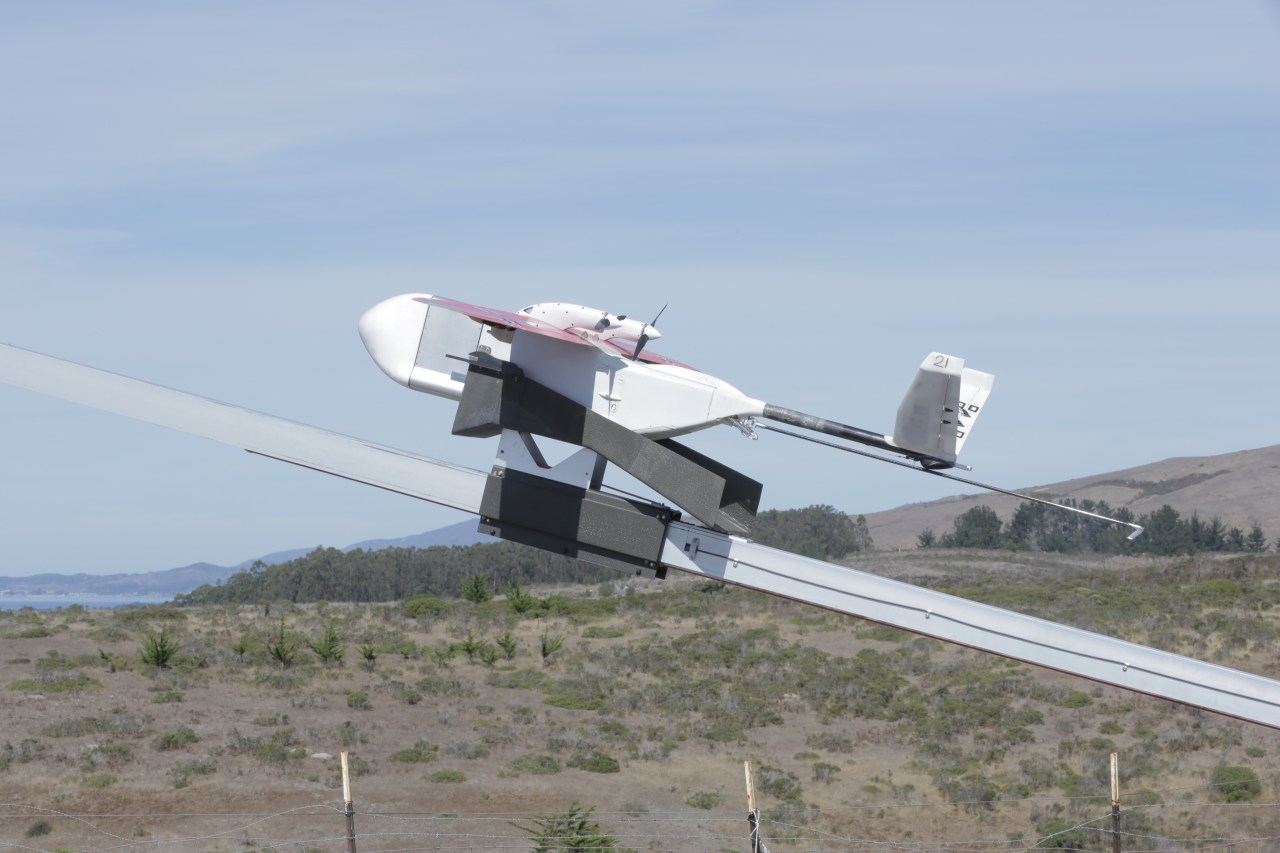
In an era where technology is rapidly transforming every facet of our lives, healthcare delivery is no exception. Enter Zipline, a trailblazer in the field of drone logistics that is redefining how critical medical supplies are delivered. With a recent $25 million investment fueling its efforts, Zipline is poised to expand its life-saving operations across the globe. But what exactly makes their approach groundbreaking, and how might it change the future of healthcare delivery?
The Genesis of Zipline
Founded with a mission to deliver medical supplies efficiently and effectively, Zipline has caught the attention of investors and healthcare professionals alike. The company’s unique drones are designed not just for speed, but for precision, enabling them to reach the most remote and underserved communities. CEO Keller Rinaudo’s vision is clear: if we can have instant delivery for our dinner orders or groceries, why not for life-saving medical supplies?
Current Operations and Challenges
- Rwanda’s Innovative Program: Zipline has already made significant strides in Rwanda, where its drone delivery network supplies crucial medical products to clinics and hospitals. Recently, they launched a blood delivery service that reaches over 6 million people, a true testament to the impact of their system.
- Scaling Beyond Borders: With a portion of the funds raised allocated to expansion, Zipline is set to explore new markets in countries like Indonesia, Vietnam, and even the U.S. However, navigating regulatory hurdles remains a challenge.
The Future Vision
Expanding into new locales means not merely increasing aerial coverage but enhancing the range of medical supplies delivered. Upcoming deliveries are set to include anti-venoms, vaccines, and rabies treatments, which can dramatically reduce response times in critical situations. This approach is not without competition, as companies like Flirtey and Matternet are also innovating in the drone delivery space, but Zipline’s exclusive focus on medical supplies sets it apart.
The Role of Technology in Healthcare Advancement
At Zipline, technology is more than just a tool; it’s a lifeline. Their sophisticated drones use fixed-wing designs that allow for longer distances and better stability, crucial for navigating challenging terrains. By integrating advanced logistics software and positioning systems, Zipline ensures that supplies reach their intended destinations without delay.
Towards a Healthier Global Community
The implications of Zipline’s service extend far beyond mere logistics; they touch on the very essence of healthcare equality. With the ability to deliver supplies to rural areas or during emergencies, Zipline plays a critical role in ensuring that healthcare is accessible to all, regardless of geographic constraints.
Conclusion
Zipline stands at the forefront of a healthcare revolution that is leveraging technology to save lives. With continued investment and innovation, the goal of seamless medical supply delivery is within reach. Imagine a future where drones automatically deliver essential supplies during emergencies, ultimately saving lives and improving health outcomes globally. Indeed, the horizon looks promising for this pioneering company.
At fxis.ai, we believe that such advancements are crucial for the future of AI, as they enable more comprehensive and effective solutions. Our team is continually exploring new methodologies to push the envelope in artificial intelligence, ensuring that our clients benefit from the latest technological innovations. For more insights, updates, or to collaborate on AI development projects, stay connected with fxis.ai.