
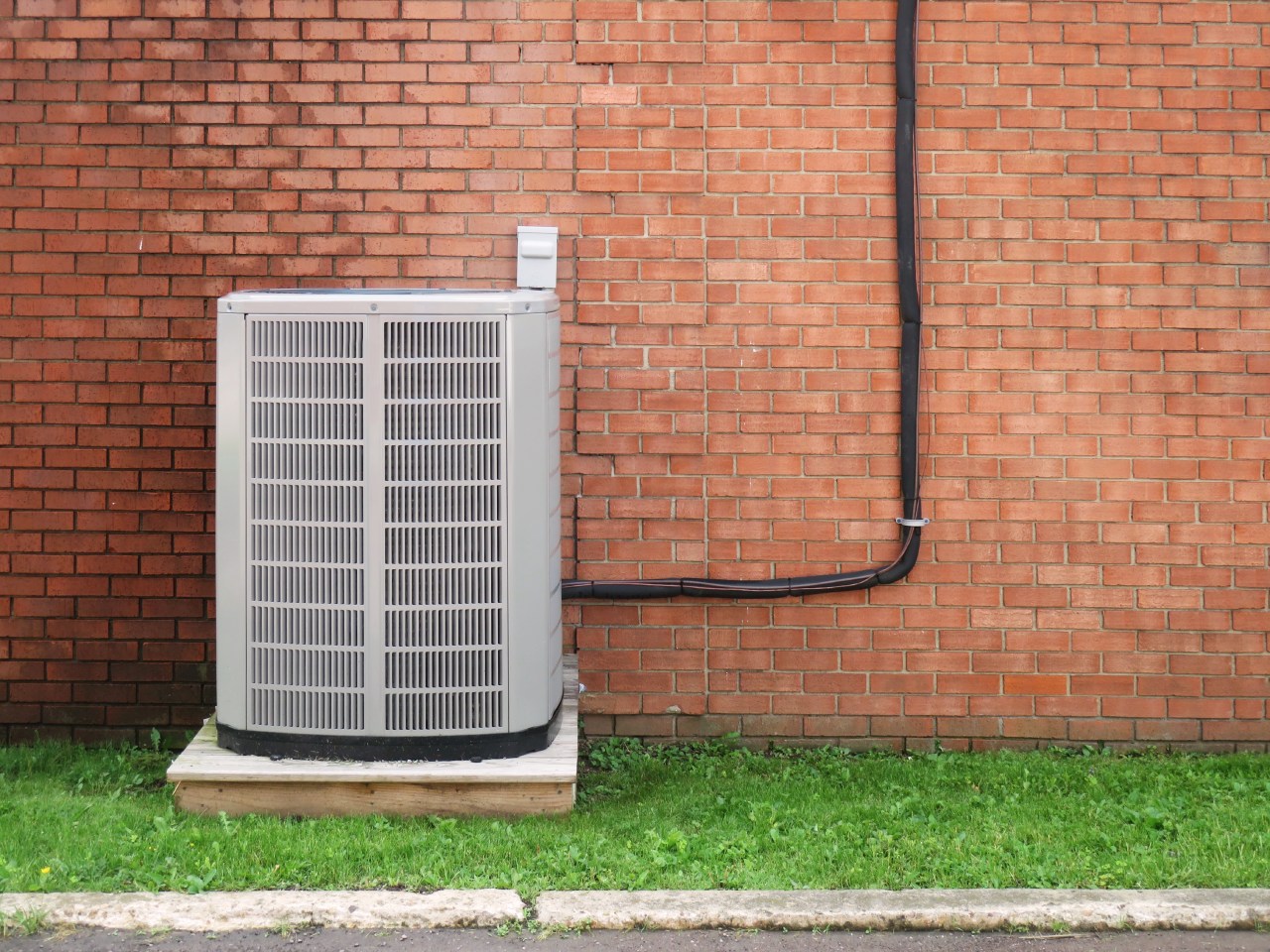
As global temperatures continue to rise, the need for efficient cooling solutions in our homes has never been more crucial. While air conditioning units provide relief from the heat, they also contribute significantly to greenhouse gas emissions. Understanding why many of us are still using potent super-greenhouse gases in our air conditioners unveils a complex narrative that combines historical practices, legislative progress, and exciting innovation.
The Evolution of Refrigerants: Lessons from the Past
From the 1930s to the 1980s, refrigerants were a double-edged sword. While they cool our spaces, they severely impacted the environment by releasing potent greenhouse gases and damaging the ozone layer. Thanks to legislative efforts in the 1980s, we bid farewell to those ozone-depleting substances, which are now classified as “Step 0” refrigerants on the Regreen Scale.
However, the battle against greenhouse gases isn’t over. Today, common refrigerants like R-410A are still in use, and they rank as “Step 1” on the Regreen Scale, proving that there’s more work to be done.
Understanding the Environmental Impact
Every air conditioning unit harbors a potential environmental hazard. For example, a standard home air conditioner, filled with R-410A, holds enough refrigerant to cause the same global warming impact as burning 1,100 gallons of gasoline. This staggering statistic underscores why addressing the refrigerants used in air conditioning is essential for reducing our carbon footprint.
Challenges in the Transition to Cleaner Technologies
- Industry Progress: Industries like automotive and supermarket refrigeration have successfully transitioned to cleaner alternatives, like R-1234yf and CO2. However, home air conditioning has lagged behind.
- Legislative Gaps: With laws aiming to phase out super-greenhouse gases in automobile and supermarket refrigeration by 2025, the absence of equivalent measures for residential air conditioners is glaring.
Innovative Solutions: Technologies on the Horizon
Imagine a future where your home air conditioner runs on environmentally friendly refrigerants. Mechanical engineering experts, like Professor Pega Hrnjak from the University of Illinois Urbana-Champaign, highlight two promising avenues:
- Utilization of R-1234yf: While technically feasible, using R-1234yf poses challenges in terms of component adjustments and costs.
- CO2 as a Refrigerant: Utilizing CO2 not only allows for smaller components but also provides an inexpensive and non-flammable option that could revolutionize home cooling.
As manufacturers innovate, a gradual transition towards air conditioners that utilize these cleaner refrigerants may become a reality, perhaps as early as 2025.
The Role of AI in Developing New Refrigerants
A glance at advancements in technology reveals an exciting potential watershed moment. Artificial Intelligence (AI) has already transformed industries through rapid innovation, such as in the development of vaccines during the COVID pandemic. Experts like Professor S. Mani Sarathy from King Abdullah University of Science and Technology believe that AI could similarly invent new, less harmful refrigerants by predicting the properties of countless hydrocarbon molecules.
This approach could lead to the creation of hydrocarbon-based refrigerants that are both effective and environmentally friendly, providing a new life to our existing air conditioning units.
Looking Ahead: Hope for a Greener Future
The journey to cleaner air conditioning technology may seem daunting, but hope is not lost. Innovation is on the rise, and with multifaceted approaches that include developing new systems and retrofitting existing ones, we can envision a future where home air conditioners no longer contribute to global warming.
At fxis.ai, we believe that such advancements are crucial for the future of AI, as they enable more comprehensive and effective solutions. Our team is continually exploring new methodologies to push the envelope in artificial intelligence, ensuring that our clients benefit from the latest technological innovations.
Conclusion
As consumers, we have the power to demand cleaner options and drive demand for innovative solutions in the air conditioning industry. By supporting advancements in refrigeration technology, we can contribute to a healthier planet. The hurdles may be significant, but progress is palpable, and together we can ensure that our home comfort doesn’t come at the expense of the environment.
For more insights, updates, or to collaborate on AI development projects, stay connected with fxis.ai.