
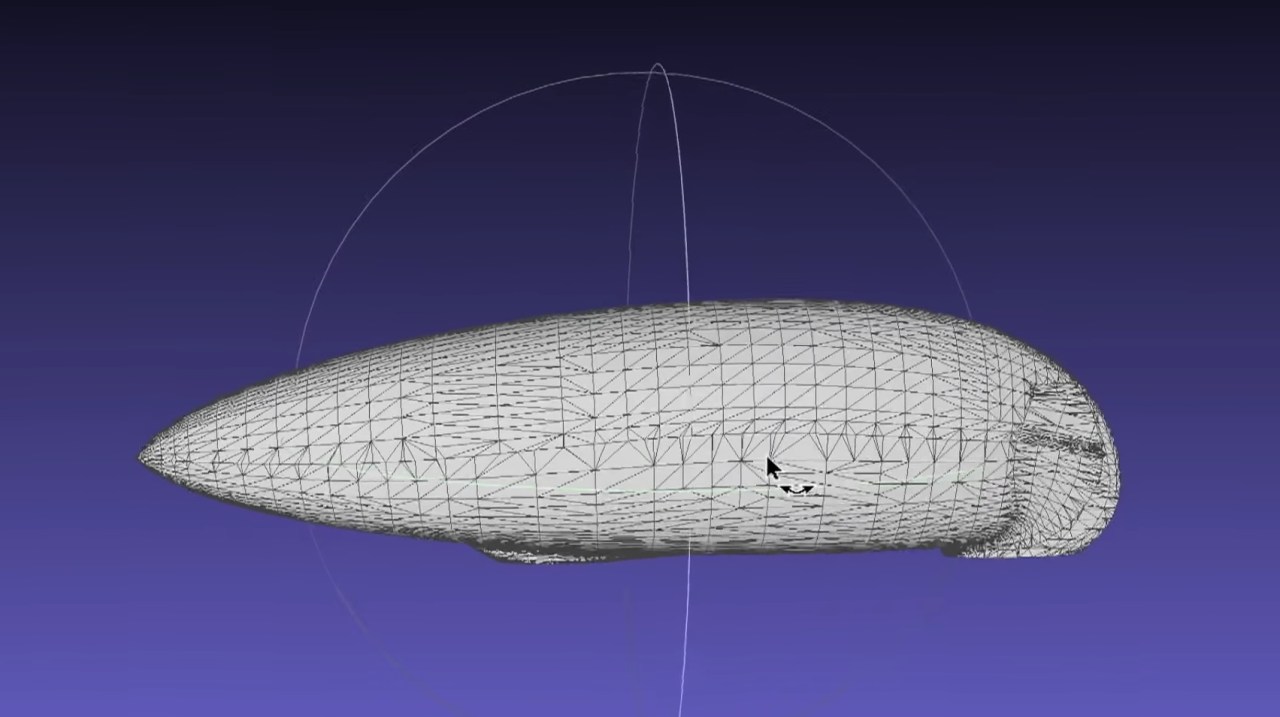
The intersection of technology and human achievement has always played a pivotal role in pushing the boundaries of what we perceive as possible. The quest for breaking land speed records, particularly in human-powered vehicles, has recently met an unexpected ally—machine learning. In this blog post, we delve into how a Swiss startup is leveraging state-of-the-art algorithms to reshape bicycle design for record-setting capabilities. Can the synergy between technological innovation and human power lead to new heights in speed? Join us as we explore this intriguing journey.
A Race Against Time: The Current Record
The current world record for descending a flat road on a bicycle stands at an impressive 133.78 km/h (approximately 83 mph), a feat achieved by Dutch cyclist Sebastiaan Bowier in 2012. This record, set a decade ago, may seem insurmountable. Bowier’s unique bicycle, resembling a streamlined rocket, is a testament to how minimalist design and engineering contribute to velocity. However, as the adage goes, “every little bit counts,” and innovation often lies in the nuances.
Introducing Machine Learning to the Mix
At the forefront of this innovation wave is a unique initiative from the École Polytechnique Fédérale de Lausanne (EPFL). Researchers there have developed a cutting-edge machine learning algorithm designed to streamline bike designs by focusing on aerodynamics. Pierre Baqué, a researcher at EPFL’s Computer Vision Laboratory, explains that conventional machine learning techniques typically operate with well-structured image inputs. However, the very nature of engineering in aerodynamics demands a more complex approach, one that involves intricate meshes—graphs with a multitude of nodes that pose significant computational challenges.
From Complexity to Clarity
Despite these challenges, the researchers succeeded in creating a convolutional neural network capable of sorting through numerous 3D shapes to identify the most aerodynamically efficient designs. “Our program results in designs that are sometimes 5-20 percent more aerodynamic than conventional methods,” shares Baqué. This potential not only highlights the possibilities that lie within traditional bicycle designs but also hints at entirely new shapes that diverge from the norm, enabling explorations into uncharted design territory.
The Broader Applicability of Their Work
What sets this innovation apart is its versatility. The algorithm is not confined to bicycle design; it can also solve fluid dynamics challenges for other classes of vehicles, including aircraft wings, wind turbine blades, and even cars. By employing a flexible learning model, the creators of this technology aim to redefine the future of transport, showcasing how machine learning can create efficiencies beyond what traditional methods allow.
From Research to Reality
The impact of this research has been profound enough to launch **Neural Concept**, a startup spearheaded by Baqué, aimed at applying these findings in practical settings. Demonstrating the robust predictive capabilities of machine learning in real-world challenges is the next milestone. A team from the Annecy University Institute of Technology plans to test these newly optimized models at the World Human Powered Speed Challenge in Nevada. This event will mark a significant confluence of technology and human tenacity, bringing researchers’ computer-generated designs to life in a thrilling spectacle.
Looking Ahead: The Future of Human-Powered Speed
The intersection of human creativity and machine intelligence is a powerful concept. As we witness a revolution in speed records, we can’t help but wonder about the next breakthrough. Will it come from sports, automotive industries, or perhaps even space exploration? The prospects are limitless.
Conclusion
As we explore the intersection of machine learning and human-powered speed records, it’s clear that the only constant is change. By embracing innovative algorithms that challenge conventional designs and engineering norms, we may soon witness the day when speed records are shattered—not just by the power of flesh but with the ingenuity of AI working hand in hand with humanity. It’s a thrilling time to be part of this technological evolution.
At fxis.ai, we believe that such advancements are crucial for the future of AI, as they enable more comprehensive and effective solutions. Our team is continually exploring new methodologies to push the envelope in artificial intelligence, ensuring that our clients benefit from the latest technological innovations. For more insights, updates, or to collaborate on AI development projects, stay connected with fxis.ai.