
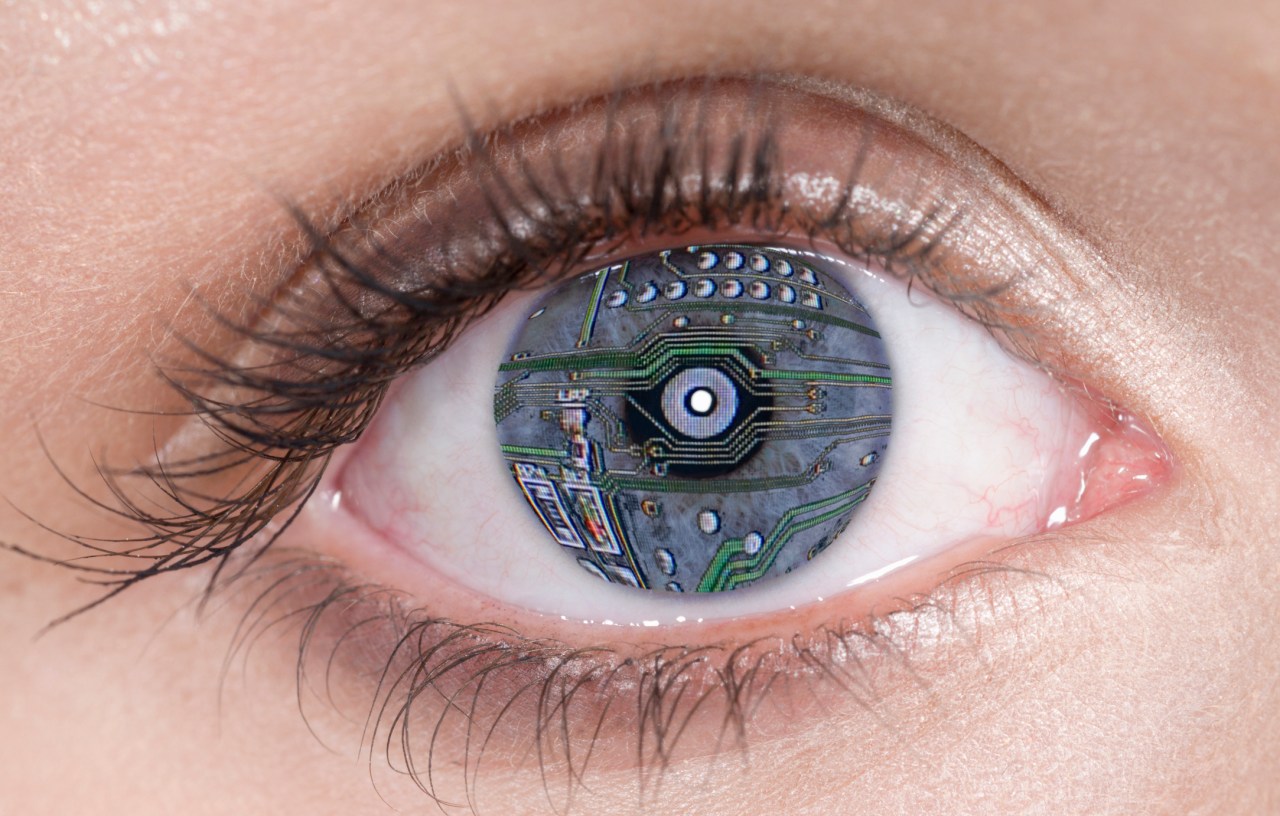
As we forge deeper into the landscape of augmented reality (AR) and virtual reality (VR), the way we interact with machines is undergoing a paradigm shift. Traditional forms of interaction—like using a mouse, trackpad, or touchscreen—are on the verge of being complemented, or even replaced, by rich biosensory data. Enter Asteroid, a company dedicated to developing a human-machine interaction engine that promises to enhance how developers design AR experiences by tapping into the subtle nuances of human behavior.
The Vision Behind Asteroid
Asteroid’s mission is clear: to enable a future where the lines between human action and machine response are blurred, allowing for a seamless exchange of information. According to founder Saku Panditharatne, the potential for technology lies in the ability for users to “upload” their experiences alongside downloading data from machines. This ambitious vision is not only revolutionary for users but also offers a new toolkit for developers who want to create more immersive AR experiences.
Diving into Biosensory Data
What sets Asteroid apart is its focus on incorporating biosensory inputs into machine interactions. Rather than solely relying on traditional means like touch or voice commands, the Asteroid engine takes into account a range of biometric data including:
- Eye-tracking capabilities
- Subtle gestures
- Brain-wave activity through electrodes
- Emotional responses gauged via physiological indicators
The company’s development kit—available for both macOS and iOS—offers a playground for developers to experiment with these features. The kit comes with various hardware options, including a comprehensive $450 package that contains eye-tracking and brain-computer interface tools, as well as a simpler $200 eye-tracking option for those who wish to dip their toes into this innovative terrain. By empowering developers to experiment with biofeedback, Asteroid aims to stir their creativity and move them towards designing interfaces that react to human emotion and intent.
A Crowdfunding Approach
To bring this vision to life, Asteroid launched a crowdfunding campaign on Indiegogo, aiming to raise $20,000. While the startup has successfully secured over $2 million in funding prior to this stage, the campaign serves a dual purpose—it not only seeks financial backing but also functions as an exposure tool for developers. It’s all about familiarizing them with the possibilities of using biosensory data in their projects.
As Panditharatne emphasizes, the long-term objective of Asteroid is to create compatibility across a spectrum of AR hardware. Currently, while some advanced devices come equipped with features like eye-tracking, the market is largely limited when it comes to integrating complex sensors effectively. Nonetheless, the team reassures developers that even basic smartphones can serve as platforms for testing engaging functionalities.
The Road Ahead
The landscape of human-machine interaction is poised for significant changes. With advancements in biosensory technology, developers are now encouraged to envision interactions that are not just user-driven but also biologically responsive. Businesses and creatives alike can benefit from this transformation as it offers users a more intuitive and natural way of interfacing with machines.
Asteroid’s efforts could catalyze a new era in which AR applications are no longer passive experiences but rather dynamic exchanges that respond to human intent, thought, and gesture. This transition signifies more than just a technological upgrade; it reflects a commitment to creating environments that honor the intricacies of human behavior.
Conclusion
As we stand on the cusp of this revolution in human-machine interaction, Asteroid is making waves by rethinking how we engage with technology. By focusing on biosensory data, they’re paving the way for interfaces that prioritize human intentions and emotions over traditional input methods. For developers eager to explore these new possibilities, Asteroid’s interaction engine provides a fertile ground for experimentation and creativity.
For more insights, updates, or to collaborate on AI development projects, stay connected with fxis.ai.
At fxis.ai, we believe that such advancements are crucial for the future of AI, as they enable more comprehensive and effective solutions. Our team is continually exploring new methodologies to push the envelope in artificial intelligence, ensuring that our clients benefit from the latest technological innovations.