
The advent of robotic technology has transformed how we approach logistics and delivery services. As consumer expectations evolve, so too does the need for innovative solutions in the last-mile delivery sector. This blog post delves into the burgeoning market of delivery robotics, highlights important industry players like Refraction AI, Gatik, and others, and discusses the latest trends and technologies shaping this landscape.
The Shift in Consumer Expectations
The rise of e-commerce has set high standards for delivery services. Customers today want immediate gratification, expecting same-day deliveries or curbside pickups. Even before the pandemic, a trend towards faster delivery options was evident. As Gatik’s co-founder Apeksha Kumavat eloquently pointed out, the pandemic merely accelerated an existing trajectory of growing consumer demand.
- Enhanced Experience: The convenience of prompt delivery has become a cornerstone of customer satisfaction.
- Technology Driven: Robotics presents an innovative solution to meet these high expectations.
Leading the Charge: Refraction AI
Refraction AI, co-founded by Matthew Johnson-Roberson, is making waves in the realm of delivery robotics. The recent $4.2 million seed raise reflects a strong belief in the potential of delivery robots, particularly in urban settings. Johnson-Roberson’s observation about the lack of competition within this niche highlights the tremendous opportunity for innovation and growth.
- Robotic Efficiency: The company’s robots aim not only to deliver goods efficiently but also to navigate the complexities of urban environments.
- Facing Industry Challenges: Despite keen interest, potential pitfalls loom large in the robotic delivery industry, emphasizing the need for solid business models and timely execution.
Landscaping and Construction Robotics: Expanding Horizons
While last-mile delivery remains a forefront focus, other aspects of robotics—including landscaping and construction—are also experiencing significant advancements. Companies like Scythe and Dusty Robotics are leading innovative efforts in their respective domains.
Scythe
Boulder-based Scythe has carved out a niche in landscaping robotics, securing a $13.8 million Series A funding to develop cutting-edge mower robots. The RaaS (Robotics as a Service) model appears to be gaining traction, allowing customers to pay based on the number of acres mowed, thus democratizing access to automation technologies.
Dusty Robotics
Dusty Robotics emphasizes productivity in the construction sector. Their unique approach of ‘printing’ plans directly onto construction site floors stands out, likening their service to an innovative take on “Ikea Instructions.” The launch of their third-generation hardware platform promises even greater precision in layout production.
Experimental Innovations: Ollie by Tencent Robotics
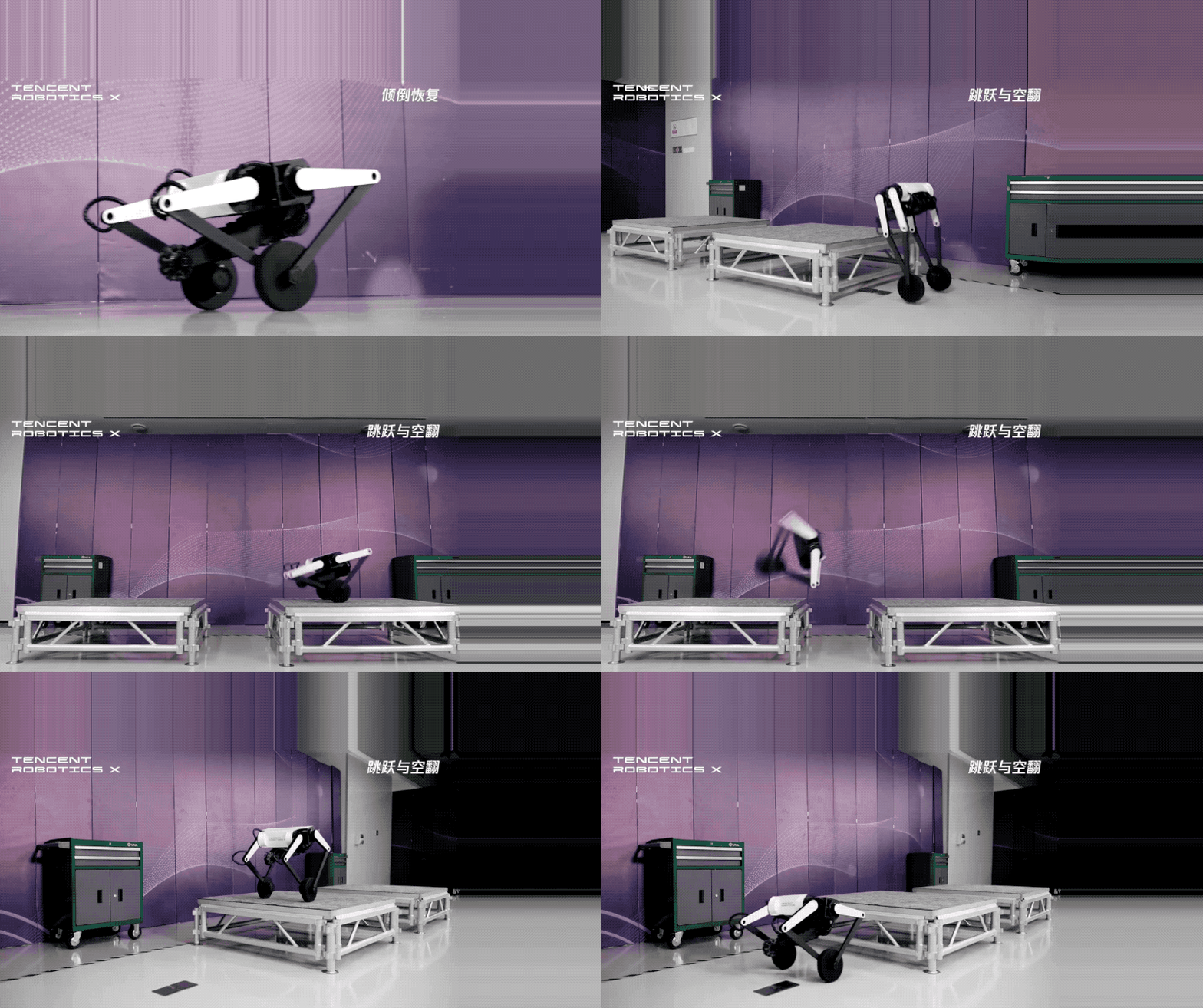
Not all advancements in robotics are straightforward applications in delivery or construction. For instance, Tencent Robotics has introduced Ollie, an experimental robot designed to balance and maneuver amidst changing conditions. Such innovations spark curiosity and illustrate the range of possibilities within robotics.
Conclusion: A Future Powered by Robotics
The recent developments in last-mile delivery, landscaping, and construction robotics present exciting opportunities for innovation. As companies aim to optimize their operations and meet consumer demands, the robotics industry is set to flourish. This evolution not only represents a shift in how goods are delivered but also encompasses the broader implications of automation in our daily lives.
For more insights, updates, or to collaborate on AI development projects, stay connected with fxis.ai.
At fxis.ai, we believe that such advancements are crucial for the future of AI, as they enable more comprehensive and effective solutions. Our team is continually exploring new methodologies to push the envelope in artificial intelligence, ensuring that our clients benefit from the latest technological innovations.