
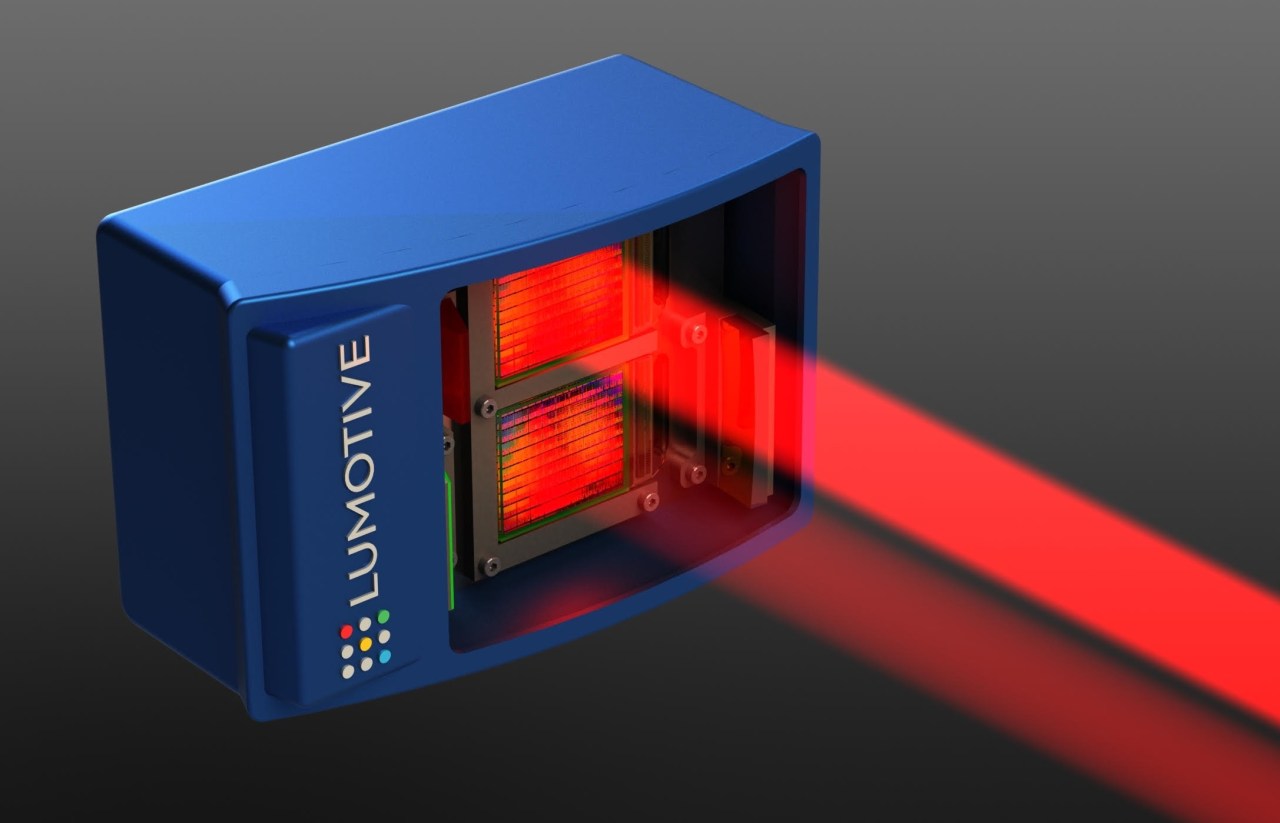
The future of self-driving cars, drones, and robots hinges significantly on how effectively these machines can comprehend their environments. Traditional lidar systems have been the go-to technology for spatial awareness for years. However, their inherent limitations—like slow mechanical movement and restricted responsiveness—have always been an area of contention. Enter Lumotive, a groundbreaking startup backed by Bill Gates and Intellectual Ventures, which is set to redefine the paradigms of lidar technology using metamaterials. As they emerge from stealth mode, there’s much to anticipate from this innovative company.
Understanding Metamaterials and Lidar
To appreciate the magnitude of Lumotive’s achievements, one must first grasp the core concepts of metamaterials and how they weave into the fabric of advanced lidar technology.
- Metamaterials: These engineered substances possess unique properties that aren’t found in naturally occurring materials. In Lumotive’s case, they utilize microscopic antennas embedded within the metamaterials, enabling capabilities that traditional systems simply cannot replicate.
- Lidar Technology: Lidar (Light Detection and Ranging) commonly operates by emitting laser beams and measuring the time it takes for them to return after bouncing off objects. However, the standard methods utilized typically fall short in terms of speed and flexibility.
Challenges of Traditional Lidar
Traditional lidar systems come with a variety of constraints that hinder their effectiveness. Here are some key issues:
- Mechanical Components: Many lidar systems rely heavily on mechanical components to manipulate the laser beam. This can slow down response times and compromise scanning accuracy.
- Limited Flexibility: Existing systems have a fixed field of view and frame rates, which can stretch the time it takes to recognize objects in crucial situations, like a deer crossing the road.
- Cumbersome Design: Most lidar setups require expensive materials and intricate designs, complicating production and scaling efforts.
Lumotive’s Ingenious Solution
Lumotive’s metamaterial-based lidar addresses these challenges creatively and effectively:
- Electronic Beam Steering: Unlike conventional lidar, Lumotive’s technology offers the ability to electronically steer beams, allowing for rapid and dynamic response to moving objects. Imagine detecting a deer not just with a quick flick of the system, but also by focusing additional resources particularly on that target.
- Adaptive Field of View: Lumotive’s system can change the field of view and frame rate on the fly, meaning the technology can prioritize processing for specific areas, increasing responsiveness and detail quality where needed.
- Cost-Effective Scaling: The engineering of Lumotive’s technology is designed for compatibility with existing silicon fabrication methods, making it more affordable and accessible than higher-end competitors.
Potential Applications and Future Outlook
The repercussions of Lumotive’s innovation go beyond just self-driving vehicles; the implications could reach various sectors:
- Automotive Industry: Automakers are in constant need of reliable and responsive sensing technologies for safety and autonomous capabilities.
- Drones & Robotics: Swift object identification and avoidance can revolutionize how drones approach navigation and delivery services.
- Specialty Vehicles: Custom applications in agriculture, mining, and construction can also be enhanced through Lumotive’s technology.
As Lumotive continues to fine-tune their product, the prospects for partnerships with automotive manufacturers and tech firms remain promising. Their blend of cutting-edge technology and practical design positions them well for potential investments in the very near future.
Conclusion
Lumotive stands on the brink of transforming the lidar landscape with their innovative approach to metamaterials. While traditional systems have had their time, the introduction of electronic beam steering and flexible configurations marks a significant leap forward. Their technology not only emphasizes enhanced responsiveness and accuracy but also brings the promise of scalability and affordability to the ongoing evolution in self-driving technology. At fxis.ai, we believe that such advancements are crucial for the future of AI, as they enable more comprehensive and effective solutions. Our team is continually exploring new methodologies to push the envelope in artificial intelligence, ensuring that our clients benefit from the latest technological innovations.
For more insights, updates, or to collaborate on AI development projects, stay connected with fxis.ai.