
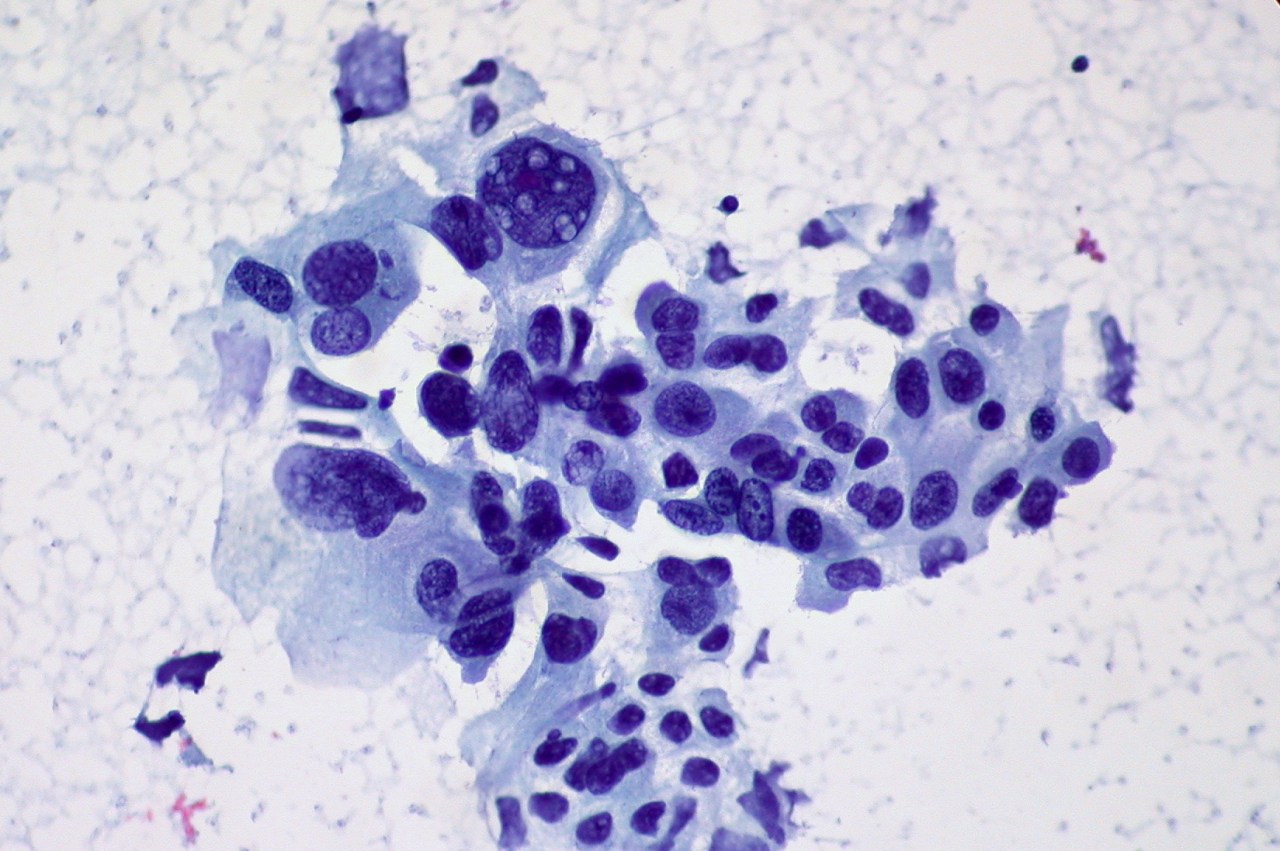
Lung cancer has become a pressing health crisis in China, claiming approximately 600,000 lives annually. This staggering statistic is projected to escalate to 800,000 cases by 2020. Amid this sobering scenario, a remarkable Chinese startup, Infervision, has emerged from stealth mode armed with an AI tool designed to change the narrative of lung cancer diagnosis. But how does it all come together, and what does this mean for healthcare in China? Let’s dive deeper.
The Rising Tide of Lung Cancer in China
China’s alarming lung cancer statistics highlight not only the disease’s prevalence but also the inadequacies within the healthcare system. Many cancers remain undiagnosed due to overburdened hospitals and a shortage of qualified healthcare professionals. In a country where pollution is rampant and smoking habits are prevalent, the urgency for effective diagnostic support is palpable.
Meet Infervision: A Beacon of Hope
Founded by Chen Kuan, Infervision was born from personal experiences that struck a chord with its CEO. After witnessing his aunt’s struggle with undiagnosed cancer, Kuan embarked on a mission to bring advanced technologies into the diagnostic realm. The breakthrough occurred during his studies at the University of Chicago, where he was introduced to machine learning technologies that would form the backbone of Infervision.
The Role of Technology in Diagnosis
- Machine Learning and Computer Vision: Infervision utilizes sophisticated machine learning algorithms and computer vision techniques to analyze medical images effectively.
- Training Data: The startup leverages training data from a vast array of digital health records accumulated in hospitals across China, including renowned institutions like Peking Union Medical College Hospital.
- Real-Time Data Collection: With ongoing installations in 20 hospitals, Infervision’s technology is fine-tuning its algorithms through continuous real-time data collection.
These initiatives allow Infervision to process hundreds of thousands of CT scans and X-rays, providing quicker and potentially life-saving diagnoses for patients.
A Collaborative Effort
The journey of Infervision has also been marked by robust partnerships with industry giants like GE Healthcare, Cisco, and Nvidia. These collaborations are vital as they not only provide technological backing but also broaden the scope of AI-driven diagnostics in the medical field. By honing its tools in this way, the company is positioning itself as a frontrunner in the race against delayed cancer diagnoses.
Intelligent Integration
The integration of Infervision’s technology within hospital systems allows for an iterative learning process in which the AI continuously refines its diagnostic capabilities. Kuan emphasizes the importance of this synergy: “In no way will this technology ever replace doctors. It is intended to eliminate much of the highly repetitive work,” he states. This means that radiologists can spend more time focusing on complex cases and providing personalized patient care.
The Future of Lung Cancer Diagnosis in China
As the stakes rise with the increasing incidence of lung cancer, Infervision signifies a harbinger of a new era in medical diagnostics. The company’s vision extends beyond just technology; it’s about impacting healthcare outcomes on a national scale. With its innovative approach, Infervision is not merely addressing a healthcare crisis – it’s paving the way for a future where technology enhances human expertise, ensuring more lives can be saved.
Conclusion
The collaboration of AI and healthcare is not just a trend; it’s a fundamental shift that could transform how we approach serious diseases like lung cancer. Infervision stands out as a compelling case study of how technology can bring about tangible change in public health. Watch this space closely, because the advancements in AI-driven diagnostics could redefine the healthcare landscape in China and beyond.
For more insights, updates, or to collaborate on AI development projects, stay connected with fxis.ai.
At fxis.ai, we believe that such advancements are crucial for the future of AI, as they enable more comprehensive and effective solutions. Our team is continually exploring new methodologies to push the envelope in artificial intelligence, ensuring that our clients benefit from the latest technological innovations.