
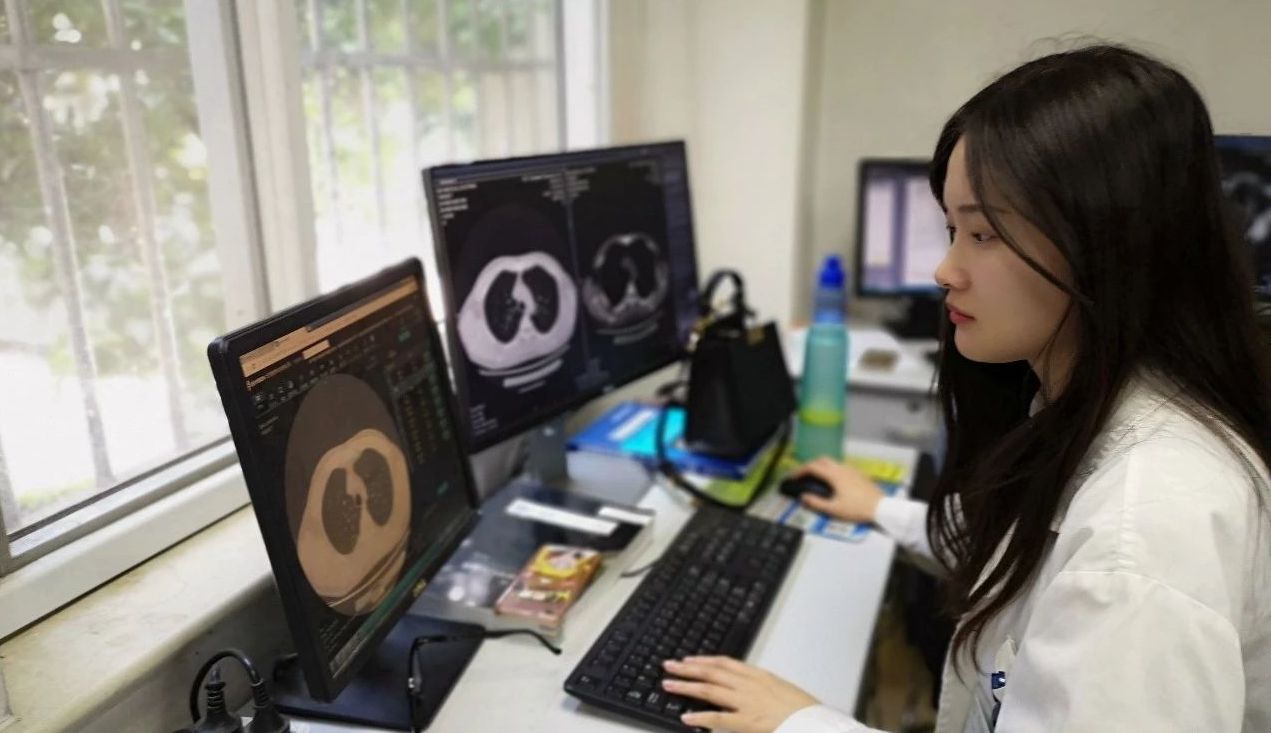
In the fast-evolving realm of artificial intelligence, few sectors hold as much promise as healthcare. Among the trailblazers in this space is Infervision, a Beijing-based startup that is transforming the way hospitals diagnose diseases, particularly cancers, through advanced imaging analysis. With an impressive track record of assisting over 280 hospitals globally, including 20 beyond China’s borders, Infervision is harnessing the power of deep learning to improve accuracy and efficiency in medical diagnoses. In this post, we’ll explore how Infervision is making waves in healthcare and reshaping diagnostic capabilities.
The AI-Driven Diagnosis Revolution
Traditionally, medical professionals have relied on their expertise to analyze images for signs of disease—a process that can be time-consuming and fraught with the potential for human error. Infervision’s AI solutions, capable of processing medical images in under 30 seconds, present a marked contrast to the typical 15 to 20 minutes doctors spend scrutinizing each scan. But the benefits go beyond speed:
- Accuracy Improvement: Infervision claims to boost diagnostic accuracy by around 20 percent, tackling the significant issue of misdiagnoses that have plagued many healthcare systems.
- Accessible Healthcare: By facilitating remote diagnosis, the AI can reach patients in underserved areas, thereby addressing gaps in healthcare provision—particularly crucial in a vast country like China.
These advancements underscore the pivotal role of AI in bridging the gap between human expertise and the analytical prowess required for effective disease detection.
Insights from the Field: A Challenge with Data
For AI to thrive in a medical context, it is essential to train algorithms on diverse and high-quality datasets. Infervision’s collaboration with numerous hospitals allows it to continuously refine its models. The company’s stronghold in China includes partnerships with 70 percent of the nation’s premier healthcare facilities, demonstrating the rising trust in AI tools among medical professionals.
The path to acceptance was not without its hurdles. Chen Kuan, Infervision’s founder, recounts how the startup initially struggled to gain traction. Hospitals, often conservative by nature, were hesitant to adopt technology from a relatively unknown startup. However, persistence paid off when Sichuan Provincial People’s Hospital took a gamble on the innovative technology. This first partnership acted as a catalyst, springboarding Infervision’s reputation across the healthcare landscape.
Global Reach and Market Challenges
As Infervision set its sights on international markets, it faced additional hurdles. In the U.S., the company’s potential is somewhat limited by regulatory and operational constraints, slowing down the process of product development and iteration. Moreover, skepticism towards a Chinese startup providing cutting-edge technology highlighted another layer of challenge.
However, once U.S. medical facilities discovered the tangible benefits of Infervision’s tools, acceptance grew. Chen emphasizes the unique advantage Chinese startups have when it comes to data access—essential for developing robust and effective AI systems. With a staggering 26,000 images processed daily, the company is well-equipped to maintain its competitive edge.
Looking Ahead: The Future of Medical AI
The competition in China’s medical AI landscape is intensifying, with rivals like Yitu emerging with similar innovative solutions. Yet, Infervision remains committed to developing technologies targeting conditions that present the highest social costs, such as cerebrovascular and cardiovascular diseases. By continuing to innovate and expand its ability to diagnose a broader range of ailments, Infervision sets a trajectory toward not just improvement in individual health outcomes but broader public health advancements.
Conclusion: A New Era in Medical Diagnosis
Infervision stands at the forefront of a paradigm shift in medical diagnostics. By leveraging AI to enhance accuracy and efficiency, the company is not just helping individual hospitals but is revolutionizing patient care on a global scale. As healthcare professionals and technology providers continue to collaborate, the future of medical imaging looks promising, paving the way for more effective health management.
At fxis.ai, we believe that such advancements are crucial for the future of AI, as they enable more comprehensive and effective solutions. Our team is continually exploring new methodologies to push the envelope in artificial intelligence, ensuring that our clients benefit from the latest technological innovations. For more insights, updates, or to collaborate on AI development projects, stay connected with fxis.ai.