
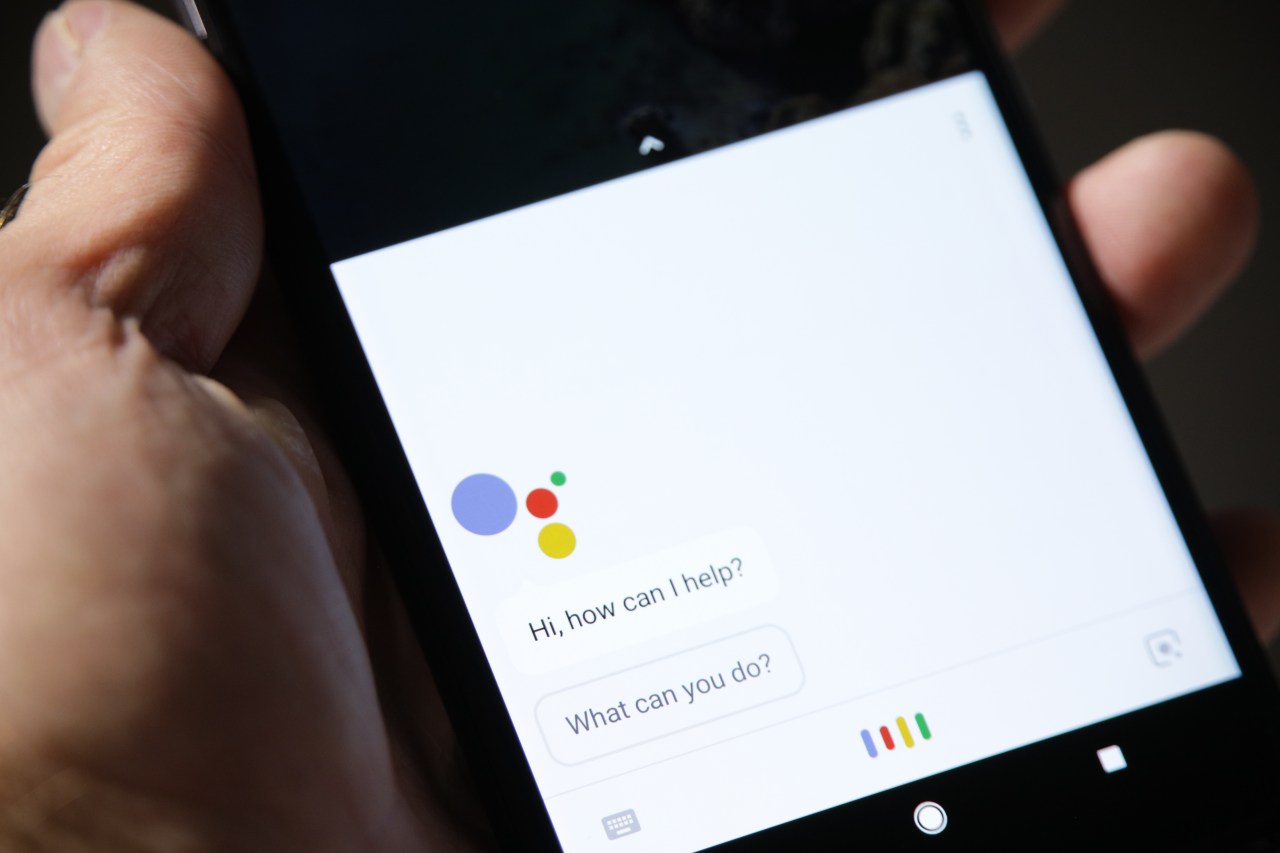
In today’s fast-paced world, the search for convenience and functionality in our devices is never-ending. With the advent of voice assistants, our interactions with technology are becoming more seamless, allowing us to focus on what truly matters: our tasks at hand. One of the groundbreaking innovations in this arena is the integration of Google Assistant into Google Maps, which aims to elevate the navigation experience for users across both iOS and Android platforms. Let’s delve into how this integration impacts our daily lives and why it is a game-changer for navigation.
A Voice-Driven Navigation Experience
Imagine cruising down the highway, your hands on the wheel, navigating through traffic when all you need is a simple voice command to get the information you seek. The incorporation of Google Assistant into Google Maps allows users to engage in a voice-driven experience that enhances safety and convenience. From sharing your Estimated Time of Arrival (ETA) to playing music without having to manually search through your playlists, this integration is designed for those who prioritize multitasking while driving.
Hands-Free Control: The Future of Road Trips
With Google Assistant now embedded within Google Maps, conducting tasks while on the road has never been easier. Here are some specific capabilities that make this feature a must-have for road warriors:
- ETA Sharing: Travelers can easily update friends or family on their expected arrival time without ever having to reach for their phones.
- Music Command: Adjusting the soundtrack for a road trip is simply a matter of asking Google Assistant to play your favorite tunes from platforms like YouTube, keeping you entertained without distractions.
- Real-Time Updates: Google Assistant serves up real-time navigation updates and traffic conditions, enabling drivers to make informed decisions on rerouting.
Bridging the Gap for Casual Users
Not everyone is a tech enthusiast, and for many users, Google Assistant may still be an unknown entity. Integrating this powerful assistant within Google Maps serves as an excellent way to introduce its capabilities. Upon discovering the benefits of using voice commands within a familiar app, users are likely to become more inclined to leverage Google Assistant for other tasks and daily activities. This strategy ultimately promotes a more connected and tech-savvy user base.
Addressing Privacy Concerns
However, it’s important to note the data-sharing aspect involved when setting up Google Assistant. Google has always emphasized personalization, but it often comes with a trade-off: users are prompted to provide access to data such as location history and web activity. While this may raise eyebrows, the trade-offs can lead to a more tailored and effective experience once users become accustomed to the assistant’s functions.
Conclusion: The Future of Navigation Awaits
As technology continues to evolve and improve our experiences on-the-go, the combination of Google Assistant and Google Maps is a clear indicator of where we are headed. With features designed to enhance convenience, safety, and efficiency, this advancement brings a thrilling edge to navigational tasks. As users become increasingly reliant on voice technology, we can expect more continuous integration in various applications, further streamlining our interactions with devices.
At fxis.ai, we believe that such advancements are crucial for the future of AI, as they enable more comprehensive and effective solutions. Our team is continually exploring new methodologies to push the envelope in artificial intelligence, ensuring that our clients benefit from the latest technological innovations.
For more insights, updates, or to collaborate on AI development projects, stay connected with fxis.ai.