
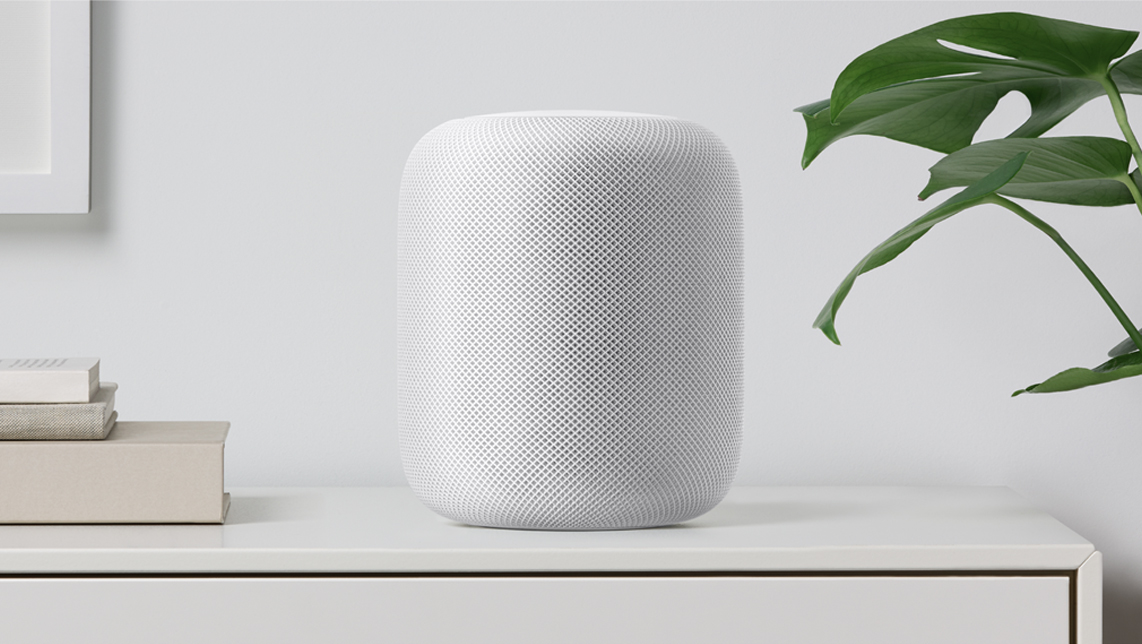
As we embark on a new year, the landscape of smart home technology is evolving at an astonishing pace. One of the most eagerly anticipated entries in the smart speaker market is Apple’s HomePod, designed to enhance Siri’s capabilities while providing users with a seamless audio experience. By integrating podcast-powered news briefs, Apple is positioning Siri as a formidable competitor against other leading voice assistants. Let’s dive deeper into the potential impacts and innovations surrounding this development.
The Rise of Voice-Activated News
For many, mornings start with a coffee and a dose of the latest news. Siri’s introduction of the news feature adds a compelling layer to the morning routine, enabling users to simply ask, “Hey Siri, give me the news.” This transformation is not just about convenience; it represents a shift towards audio consumption in an age where multitasking reigns supreme. Imagine getting ready for work while catching up on the latest headlines without the need to scroll through a screen.
A Smorgasbord of News Sources
While Apple defaults to The Washington Post’s audio news brief, users are not bound to a singular narrative. The flexibility to choose from outlets such as Fox News, NPR, and CNN allows users to curate their audio news experience. This diversity is crucial as it empowers audiences to shape their information landscape according to personal values and preferences. The initiative not only reflects media consumption trends but also illustrates how companies like Apple acknowledge and adapt to varying viewpoints.
Voice Design for Non-Visual Interfaces
One intriguing aspect of this news feature is its emphasis on scenarios devoid of a visual interface, such as the HomePod and CarPlay. This design philosophy underlines the evolving role of voice assistants who must now perform in environments where visuals aren’t available. Siri’s ability to discern user preferences through auditory cues while competing against visual-heavy platforms is a challenge, yet an exciting opportunity. Companies are now tasked with crafting content specifically engineered for voice activation, thus widening the pool of creative possibilities for content creation.
Media Outlets Embracing the Audio Trend
The implications of Siri’s podcast-powered news segments extend beyond Apple themselves; they signal a larger shift in how media outlets interact with consumers. As voice-activation technology becomes more ubiquitous, publications will likely seek to adapt their content to fit this emerging format. From news snippets to analysis, the landscape of media consumption may soon be dominated by audio-oriented content that caters to modern lifestyles. This evolution may prompt other media houses to prioritize audio formats, especially given the popularity of podcasts in recent years.
Conclusion: A Transformative Step for Siri
Apple’s integration of podcast-powered news in Siri represents a pivotal moment in the functionality of smart speakers. The HomePod not only enriches the user experience but encourages the media industry to rethink its approach towards content delivery. As we witness this technology unfold, it’s clear that we are heading towards a new era where our connection with information becomes even more effortless and personalized.
At fxis.ai, we believe that such advancements are crucial for the future of AI, as they enable more comprehensive and effective solutions. Our team is continually exploring new methodologies to push the envelope in artificial intelligence, ensuring that our clients benefit from the latest technological innovations. For more insights, updates, or to collaborate on AI development projects, stay connected with fxis.ai.