
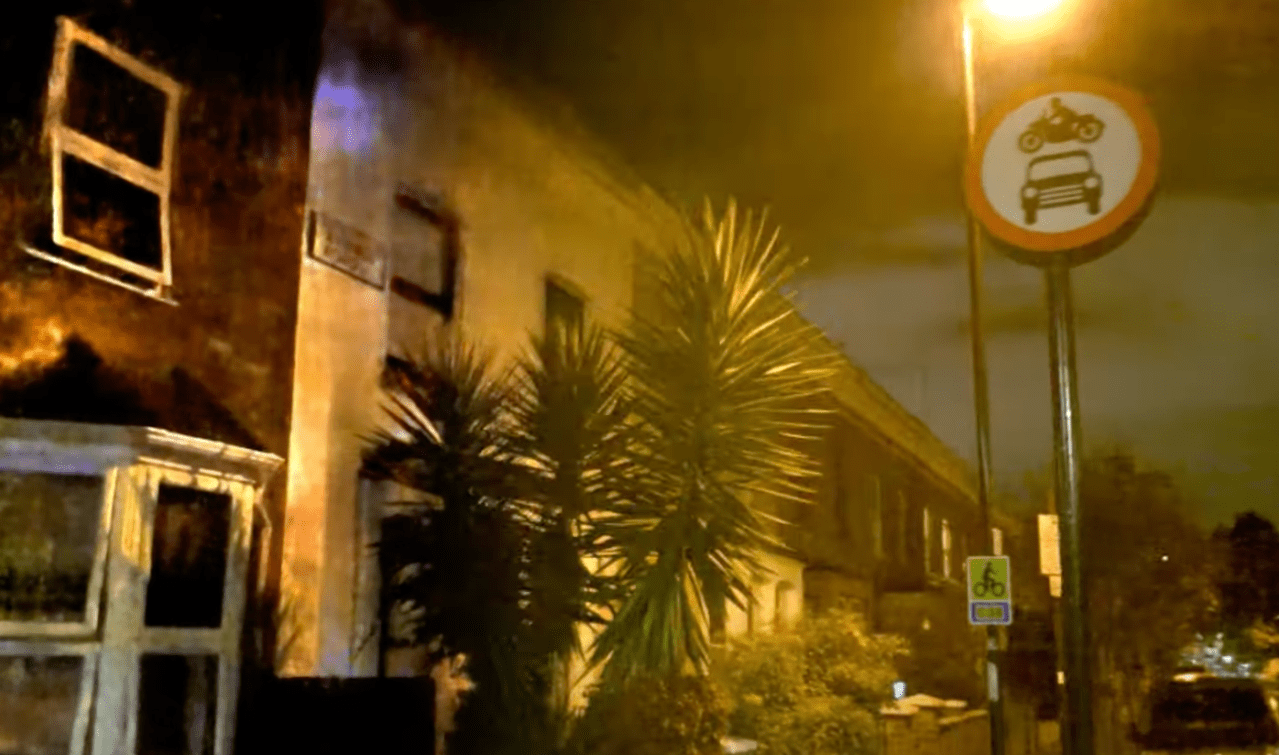
In the world of photography, the age-old struggle between light and darkness is never-ending. While a skilled photographer can work wonders in well-lit environments, low-light conditions have historically been a different story. Many smartphones face significant challenges when capturing images in such settings, and the resulting digital noise often diminishes the visual magic we hope to capture. However, with the recent unveiling of Google Research’s open-source project, MultiNerf, there’s a renewed sense of optimism that we may finally overcome these obstacles. Let’s delve into what this innovative project entails and what it means for the future of photography.
The Quest for Noise Reduction
Imagine standing under a dimly lit streetlight, attempting to take a photo that reflects the true ambiance of the moment. The vibrant colors and emotional nuances of your image seem lost in a sea of pixelated noise. While some high-end cameras can perform well in low-light conditions, the general smartphone user is often left with images that fall flat. Here enters MultiNerf – a project that intricately balances computer graphics and photography to banish this noise.
- MultiNerf employs advanced algorithms to analyze raw image data.
- It utilizes AI to reconstruct what the image should have looked like — free from the unwanted artifacts of noise.
- The outcome? Stunning images that resonate with the true feel of the moment.
Through its innovative approach, MultiNerf offers a glimpse into the future of computational photography — a domain in which the integration of AI with traditional imaging techniques results in strikingly realistic visuals.
Bridging the Gap: Photography and Technology
The lines between photography and computer graphics are increasingly blurring, driven largely by advancements in AI. As computational photography continues to evolve, we find ourselves standing at the intersection of artistry and technology. Features like Night Mode on smartphones have already begun to harness this technological trend, but a capability like MultiNerf has the potential to push these advancements even further.
Consider the myriad applications of this technology:
- Photographers capturing weddings or events can feel more confident in low-light conditions.
- Developers of augmented reality applications can benefit from improved image consistency.
- Content creators can produce professional-grade visuals without needing high-end equipment.
As we advance, it’s clear that having better hardware alone won’t suffice. Incorporating innovative software solutions like MultiNerf could redefine the photography landscape entirely, helping everyday users capture moments that inspire.
Copyright Considerations in the Age of AI
As the capabilities of AI in photography expand, so too will the legal implications regarding copyright and image ownership. With software reconstructing images based on noise patterns and raw data, questions arise about authorship and the originality of these altered images. Who holds the rights to a photograph modified by an AI algorithm? This poses intriguing challenges for photographers, legal experts, and the tech community alike.
Final Thoughts
Google Research’s MultiNerf represents a significant leap forward in the field of image processing and photography. As the technology continues to mature, we can expect remarkable innovations that will empower both amateur and professional photographers alike. The amalgamation of AI with traditional photography techniques promises to reshape how we view and create images in the digital age.
At fxis.ai, we believe that such advancements are crucial for the future of AI, as they enable more comprehensive and effective solutions. Our team is continually exploring new methodologies to push the envelope in artificial intelligence, ensuring that our clients benefit from the latest technological innovations.
For more insights, updates, or to collaborate on AI development projects, stay connected with fxis.ai.