
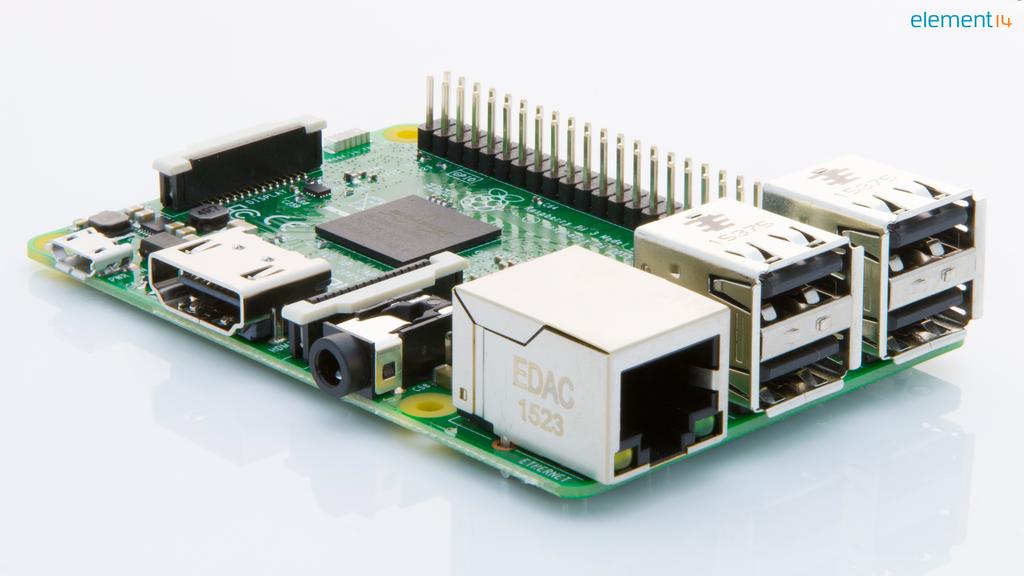
As we delve into the realm of technology, the collaboration between major players like Google and enthusiasts of the Raspberry Pi stands to change the very fabric of innovation. In 2023, Google is eyeing to enhance the experience for makers using the Raspberry Pi microprocessor, laying the groundwork for a future imbued with artificial intelligence (AI) capabilities. This initiative not only propels the Raspberry Pi further into mainstream technology but also opens up exciting possibilities in various domains.
Understanding the Survey: A Call to Makers
At the heart of Google’s initiative is a survey directed at Raspberry Pi enthusiasts. Through this outreach, Google aims to gather insights on what tools would be most beneficial for the community. From emotion recognition to natural language processing and predictive analytics, the options on the survey reflect a broad spectrum that resonates with the burgeoning fields of AI and machine learning.
- Home automation
- Drones and IoT
- Robotics
- 3D printing
- Wearables
- Machine learning
This diverse array showcases Google’s intention to foster innovation across multiple sectors, encouraging Pi makers to articulate their needs and preferences.
Empowering Developers with AI
One of the most exciting prospects of Google’s new AI tools is how they could facilitate the integration of existing technologies like TensorFlow into Raspberry Pi projects. With TensorFlow standing as a cornerstone in machine learning frameworks, the ease of access to such robust resources could rapidly accelerate development timelines. The collaboration is reminiscent of Google’s history with Pi; back in 2013, they generously donated microprocessors to empower young learners in the UK.
Raspberry Pi: A Model of Success
The Raspberry Pi Foundation has demonstrated remarkable success, surpassing 10 million sales and creating a community of avid developers and educators. As co-founder Eben Upton mentioned, the big opportunities lie in deep learning and AI, areas with which Google has established significant expertise, particularly after its acquisition of DeepMind.
This partnership could make strides towards a user-friendly ecosystem where interfacing Raspberry Pi with machine learning becomes intuitive and accessible. The implications are profound, potentially bringing sophisticated AI applications into the hands of hobbyists, educators, and innovators alike.
The Future of Raspberry Pi and AI Collaborative Efforts
As we look forward, the prospect of Google developing tools tailored for Raspberry Pi is an exhilarating one. The synergy between Google’s AI prowess and the creative freedom offered by the Pi platform holds the promise for groundbreaking projects that were once inconceivable. Imagine a world where hobbyists can seamlessly create smart home devices, autonomous drones, or unique robotics projects—all powered by an AI-enhanced Raspberry Pi.
Conclusion: A Collaborative Path Ahead
In conclusion, Google’s initiative to develop AI tools for Raspberry Pi makers signals an exciting shift towards an integrated future where technology is not just about consumption but also about creation and community. By actively involving makers in the developmental dialogue, Google is paving the way for innovation that could ripple through various industries and empower countless creators to push the boundaries of what’s possible.
At **[fxis.ai](https://fxis.ai/edu)**, we believe that such advancements are crucial for the future of AI, as they enable more comprehensive and effective solutions. Our team is continually exploring new methodologies to push the envelope in artificial intelligence, ensuring that our clients benefit from the latest technological innovations.
For more insights, updates, or to collaborate on AI development projects, stay connected with **[fxis.ai](https://fxis.ai/edu)**.