
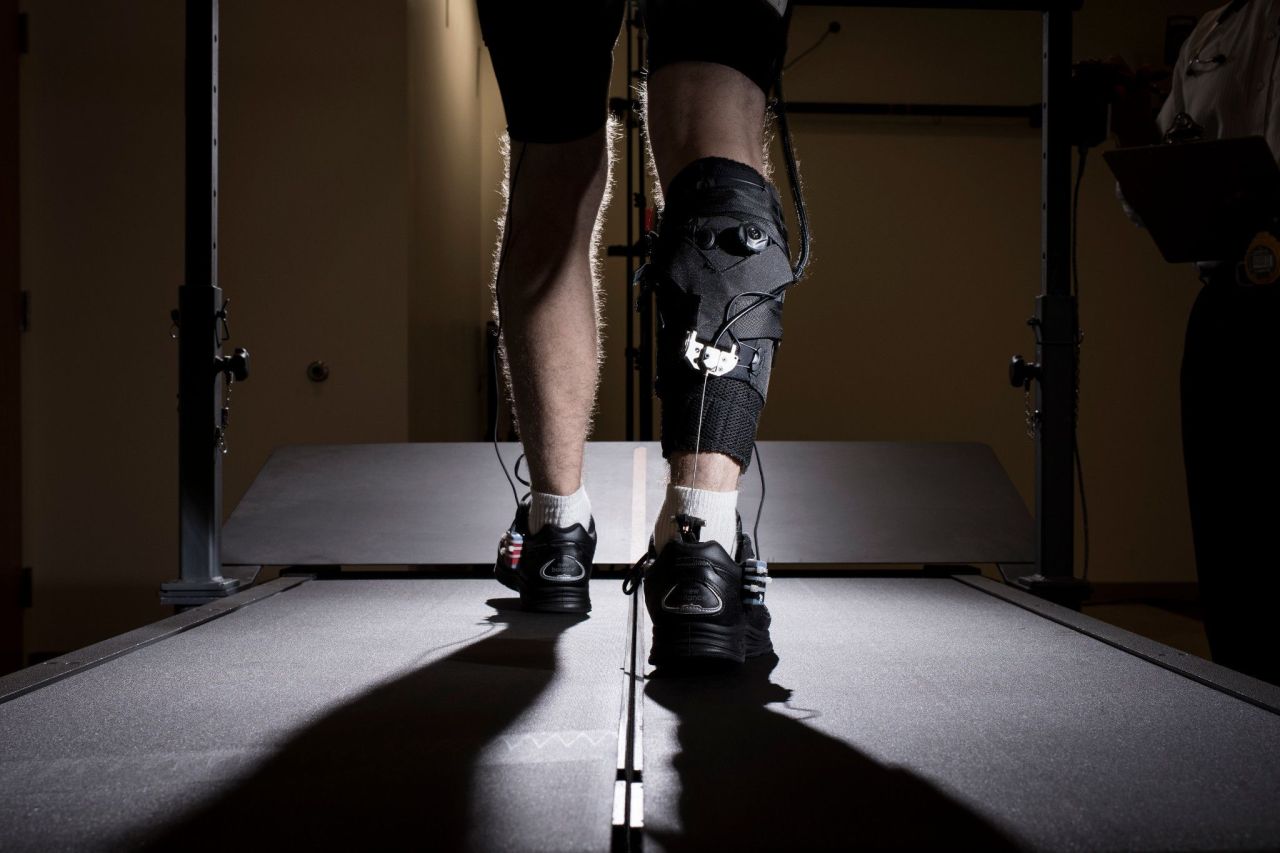
The world of rehabilitation technology is undergoing a transformative change, especially for those battling the consequences of stroke. A recent groundbreaking study from Harvard and Boston University highlights how soft robotic exosuits are not just a futuristic concept but rather a present-day avenue that enhances mobility in stroke survivors. This innovative approach focuses on rehabilitation for individuals facing hemiparesis—an affliction that typically limits motor function on one side of the body. Today, we dive deep into the insights from the research and the hope these robotic marvels bring to countless lives.
A Glimpse into the Study
The exploratory study, which involved six patients, demonstrated remarkable results. Participants experienced an average walking speed increase of 0.14 meters per second, with some exceeding expectations, walking over 100 meters farther within a six-minute window. But how does this work?
- Soft and Lightweight: The exosuit weighs approximately 11 pounds, including its battery, making it manageable for most patients.
- Fabric-Based Design: The suit’s composite mainly consists of fabric, making it comfortable for users to wear in contrast to traditional rigid robotic solutions.
- Hip-Activated System: Equipped with actuators attached to the hip, it employs cables to assist ankle movement, enabling a more natural walking gait.
- Bilateral Use: The suit can be adapted for use on either side of the body, catering to individual patient needs.
The Impact on Stroke Recovery
As noted by Lou Awad, a co-author of the study, the outcomes were unexpected given that training protocols weren’t employed during testing. Patients demonstrated noticeable enhancements in both their walking speed and distance—a crucial factor in assessing the effectiveness of rehabilitation therapies.
The key takeaway here is that individuals who have suffered strokes often cope with restricted mobility, affecting their daily lives significantly. Thus, advancements like the exosuit pave the way for more effective rehabilitation processes. The ability to walk faster and farther is not only a physical improvement but also an empowering experience that restores confidence and independence.
Future Directions
While the findings from this initial study are promising, the research team is enthusiastic about exploring the implications of exosuit technology beyond clinical settings. Regular applications, outside the controlled environment of a lab, may unlock even greater potential for these soft robotic devices was envisioned. Furthermore, the insights gathered could steer future designs and enhancements that cater to a broader patient demographic.
At fxis.ai, we believe that such advancements are crucial for the future of AI, as they enable more comprehensive and effective solutions. Our team is continually exploring new methodologies to push the envelope in artificial intelligence, ensuring that our clients benefit from the latest technological innovations.
Conclusion
The innovative use of robotic exosuits signifies a new dawn for stroke rehabilitation. By combining soft robotics with user-friendly design, researchers are not only creating tools that enhance mobility but also instill hope and independence in patients who have faced debilitating challenges. As we continue to observe these developments, collaboration between engineering, therapy, and patient advocacy will be vital in shaping the advancement of such technologies. For more insights, updates, or to collaborate on AI development projects, stay connected with fxis.ai.