
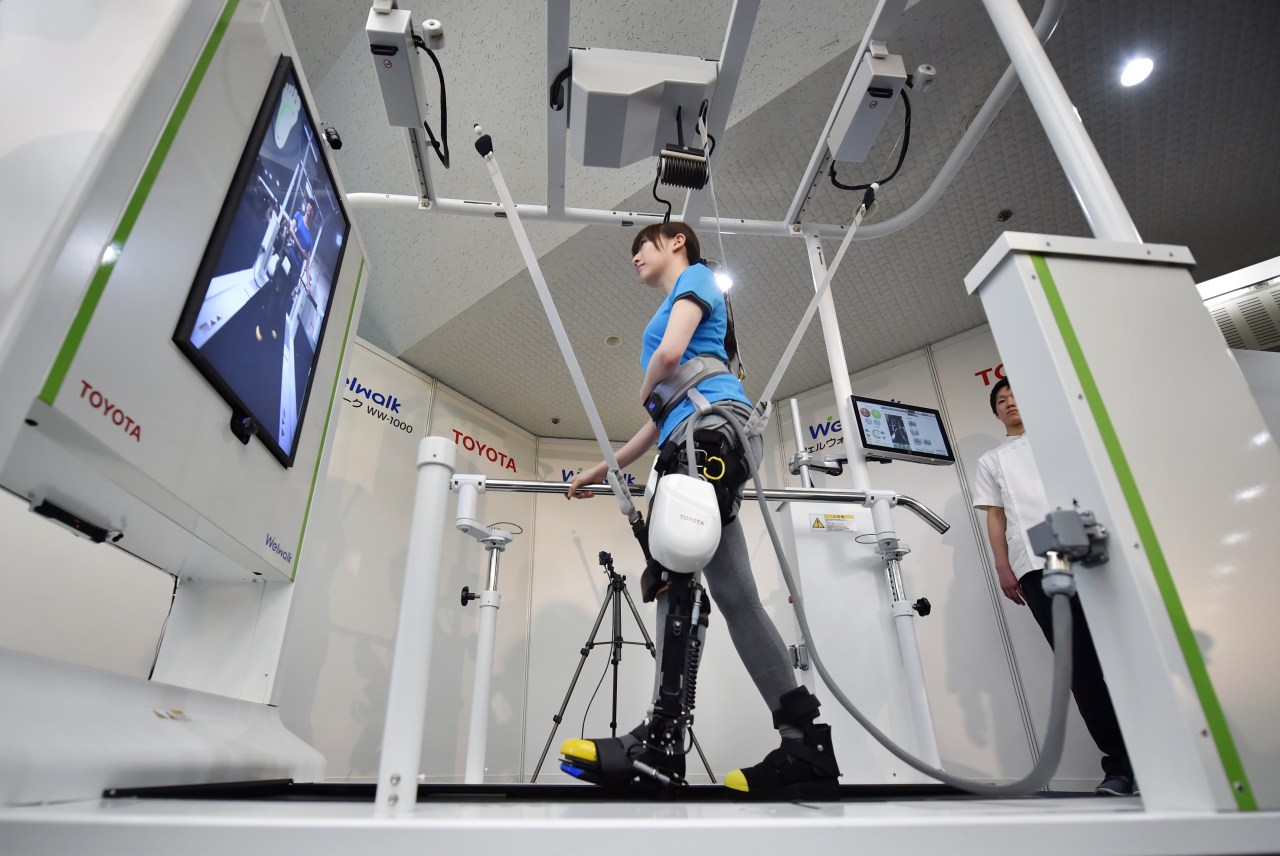
In an era defined by technological innovation, the intersection of robotics and healthcare has led to remarkable advancements. Among these developments is Toyota’s introduction of the Welwalk WW-1000, a robotic leg brace aimed at empowering individuals with partial paralysis, particularly those who have experienced a stroke or similar condition. This fascinating device symbolizes a new horizon in rehabilitation technology, providing hope for a return to independence for many.
The Mechanism Behind the Welwalk WW-1000
At the heart of the Welwalk system is an exoskeletal brace that intelligently supports the affected leg. Unlike conventional braces, which merely support the limb, the Welwalk WW-1000 incorporates a powerful motorized mechanism at the knee joint. This allows it to provide variable assistance, enabling patients to relearn the mechanics of walking over time. This therapeutic approach not only encourages physical movement but also helps in neuroplastic recovery, fundamentally reshaping how rehabilitation is approached.
A Dual Approach to Recovery
- Custom Treadmill: The device is paired with a treadmill specifically designed for rehabilitation. This customized setup creates a safe environment for the patient to practice walking under controlled conditions.
- Innovative Monitoring: A harness securely anchors the patient above, allowing therapists to monitor progress via a user-friendly touchscreen device. This feature helps professionals provide immediate feedback and adjust the amount of assistance as needed.
Accessibility and Cost Considerations
With its anticipated availability in Japanese medical institutions later this year, the Welwalk WW-1000 is set to shift paradigms within the field of rehabilitation. The rental model introduced by Toyota—with a one-time fee of approximately $9,000 followed by monthly charges of around $3,200—ensures that even smaller clinics can access cutting-edge rehabilitation technology. This approach could significantly expedite recovery times, as the ability to tailor support to individual needs enables patients to transition from dependency to independence more rapidly.
A Bright Future for Robotic Rehabilitation
The Welwalk WW-1000 stands as a testament to the potential of robotics in improving the quality of life for the aging population. Toyota has cultivated significant experience in robotics through its dedicated Toyota Research Institute, fostering innovations that bridge the mobility gap for individuals facing physical challenges. The surge in personal support robotic wearables, as demonstrated by competitors like Hyundai, signals a promising trend towards integrating such technologies into everyday healthcare solutions.
Conclusion: A New Chapter in Mobility
As we venture further into the amalgamation of robotics and healthcare, the future looks optimistic for those seeking rehabilitation solutions. The Welwalk WW-1000 could redefine recovery for many patients, illustrating how technology can restore autonomy and hope. At fxis.ai, we believe that such advancements are crucial for the future of AI, as they enable more comprehensive and effective solutions. Our team is continually exploring new methodologies to push the envelope in artificial intelligence, ensuring that our clients benefit from the latest technological innovations. For more insights, updates, or to collaborate on AI development projects, stay connected with fxis.ai.