
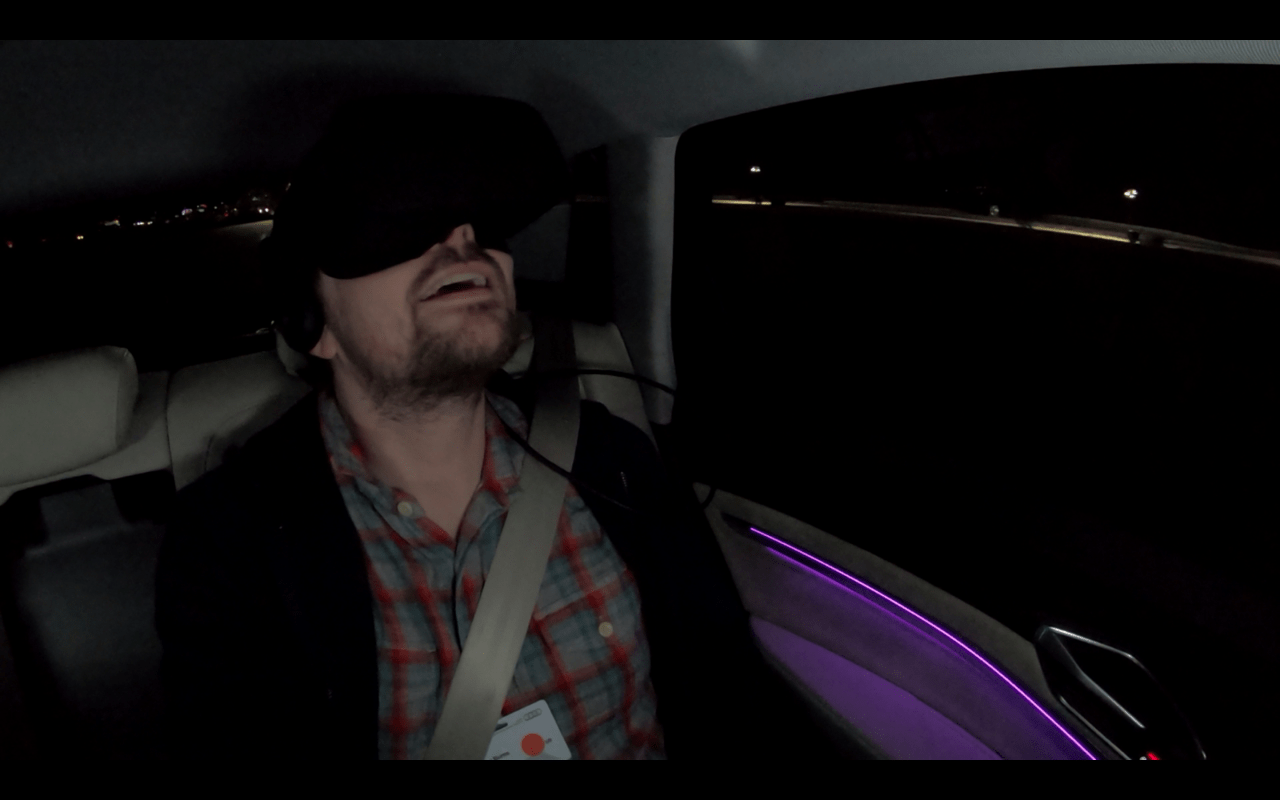
The fusion of technology and transportation has become a vibrant theme in recent years. Hot on the heels of this trend, Lyft is mapping out an exhilarating path by integrating Virtual Reality (VR) and Augmented Reality (AR) into its ride-hailing service. Following a series of patent applications unearthed in early 2019, Lyft’s ambitious plans promise to transform how passengers engage with their rides—potentially turning your commute into an immersive, unforgettable adventure.
Transforming the Ride Experience with Virtual Reality
Imagine stepping into a Lyft vehicle where, as you buckle up, a VR headset transports you into a dynamic digital world tailored to your specific journey. Lyft’s initial patent application emphasizes the development of a “virtual reality transportation experience,” which responds in real-time to the vehicle’s movements—be it a sudden stop, a sharp turn, or a bumpy road. This modern marvel leverages the historical data of routes to predict the inertial forces you are about to encounter.
- Historical Data Utilization: By analyzing past maneuver data along your route, Lyft’s VR system aims to calculate an average of inertial forces associated with various actions like turns and merges.
- Interactive Virtual Worlds: Leveraging this data, the VR system creates a customized experience. Think laser battles with virtual UFOs while cruising through the city, adding an element of thrill to your daily commute.
- Shareable Experiences: Lyft envisions a social aspect, allowing passengers to share their VR journeys with others waiting for rides, thus forging connections through shared virtual experiences.
Augmented Reality for Practical Navigation
While the amusement of VR rides captures the imagination, Lyft is also keen on enhancing practical aspects through AR. A second patent application focuses on using augmented reality to optimize the pickup and drop-off process. In this case, AR would project virtual objects into the real-world environment, helping passengers effectively navigate their surroundings during rides.
- Identifying Optimal Pickup Spots: By analyzing real-time data like traffic conditions and transportation regulations, Lyft envisions helping users find the best locations for pickups.
- Enhanced Communication: With AR overlays, passengers may receive visual guidance directly related to their ride experience, minimizing confusion and optimizing efficiency.
The Role of Technology in Enhancing Transportation
Lyft’s acquisition of Blue Vision Labs, a startup specializing in AR capabilities, further solidifies its commitment to ensuring that both entertainment and practicality are seamlessly integrated into its service. This move highlights the company’s ambitions to redefine transport experiences by not just getting people from point A to point B, but by enriching each journey.
Conclusion: A New Era in Ridesharing
As Lyft continues to explore and innovate, the integration of VR and AR technologies signals a significant leap forward in the ridesharing landscape. By providing captivating and immersive experiences, Lyft is poised to captivate users and redefine what it means to travel. The future of rides may soon encompass not merely movement, but a blend of reality and imagination that appeals to varied senses.
At fxis.ai, we believe that such advancements are crucial for the future of AI, as they enable more comprehensive and effective solutions. Our team is continually exploring new methodologies to push the envelope in artificial intelligence, ensuring that our clients benefit from the latest technological innovations. For more insights, updates, or to collaborate on AI development projects, stay connected with fxis.ai.