
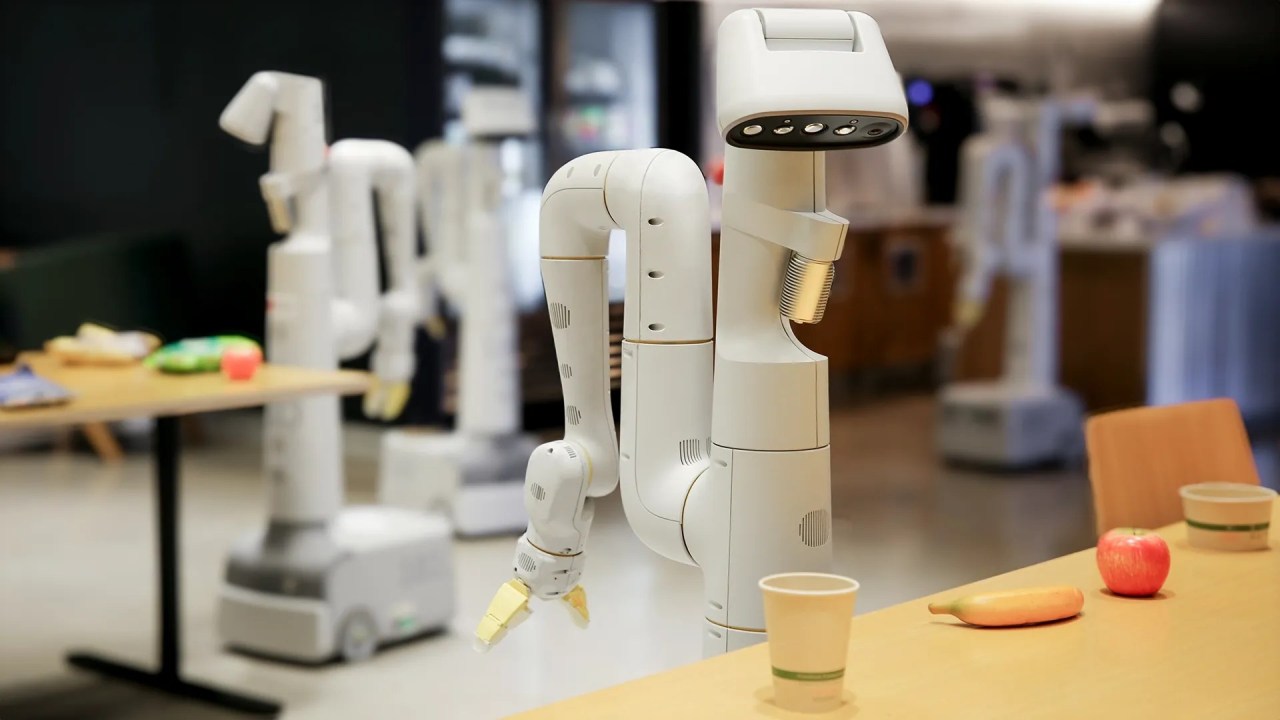
The year 2024 is poised to be a transformative era for the intersection of generative AI, large foundational models, and robotics. With researchers and innovators buzzing with ideas, the race is on to develop intelligent robotic systems that can not only execute tasks but also understand human needs and adaptability. Google’s DeepMind Robotics team has taken significant strides in this domain, introducing groundbreaking methods aimed at enhancing robotic functionality and versatility.
A Shift from Single-Purpose Robots
Traditionally, robots were designed to perform singular tasks with remarkable efficiency. While this focus on repetitive execution has proven effective in many scenarios, it also poses considerable challenges when unexpected changes or errors arise in their operational environments. Recognizing this limitation, the DeepMind Robotics researchers are pioneering innovative strategies, such as their newly unveiled AutoRT, which integrates large language models (LLMs) and visual data to enrich robotic decision-making and situational awareness.
Introducing AutoRT: A Collaborative Framework
AutoRT represents a paradigm shift in how robotic systems interact with their environments. The system effectively manages a fleet of robots, each equipped with cameras to survey and understand their surroundings. By leveraging a Visual Language Model (VLM), AutoRT enhances situational awareness, allowing robots to better interpret and navigate complex environments.
- Description of Functionality: Each robot in the system can suggest feasible tasks through its end effector, facilitated by the guidance of a large language model.
- Multitude of Trials: Having been tested over several months, AutoRT has demonstrated its ability to coordinate up to 20 robots and manage a total of 52 devices, proving its capability in large-scale operations.
- Impressive Metrics: DeepMind has conducted 77,000 trials involving over 6,000 distinct tasks, providing a robust dataset for refining the system.
RT-Trajectory: Learning from Video Input
Another exciting development from the DeepMind team is RT-Trajectory, which takes robotic learning to new heights by integrating video input into the training process. While several teams have explored using platforms like YouTube for scaling robotic training, RT-Trajectory introduces an innovative twist. It not only draws on numerous video resources but combines them with overlayed sketches of robotic movement—transforming passive watching into a valuable learning experience.
- Novel Insights: This system utilizes low-level visual guidance in the form of RGB images to aid robots in mastering control policies.
- Success Rates: Impressively, RT-Trajectory achieved a training success rate of 63%, a marked improvement over its predecessor, RT-2, which reported only 29% success.
- Maximizing Data Utilization: By harnessing existing datasets more effectively, RT-Trajectory exemplifies a powerful tool that can empower robots to navigate and operate with precision in novel environments.
Conclusion: A Future Full of Potential
The developments from Google’s DeepMind Robotics not only promise to redefine the capabilities of robotic systems but also mark a significant step toward creating robots that genuinely understand and respond to human commands. As we look forward to the innovations that 2024 may bring, it is clear that the fusion of generative AI and robotics will open up a wealth of possibilities—from enhanced learning experiences to streamlined production processes.
At fxis.ai, we believe that such advancements are crucial for the future of AI, as they enable more comprehensive and effective solutions. Our team is continually exploring new methodologies to push the envelope in artificial intelligence, ensuring that our clients benefit from the latest technological innovations.
For more insights, updates, or to collaborate on AI development projects, stay connected with fxis.ai.