
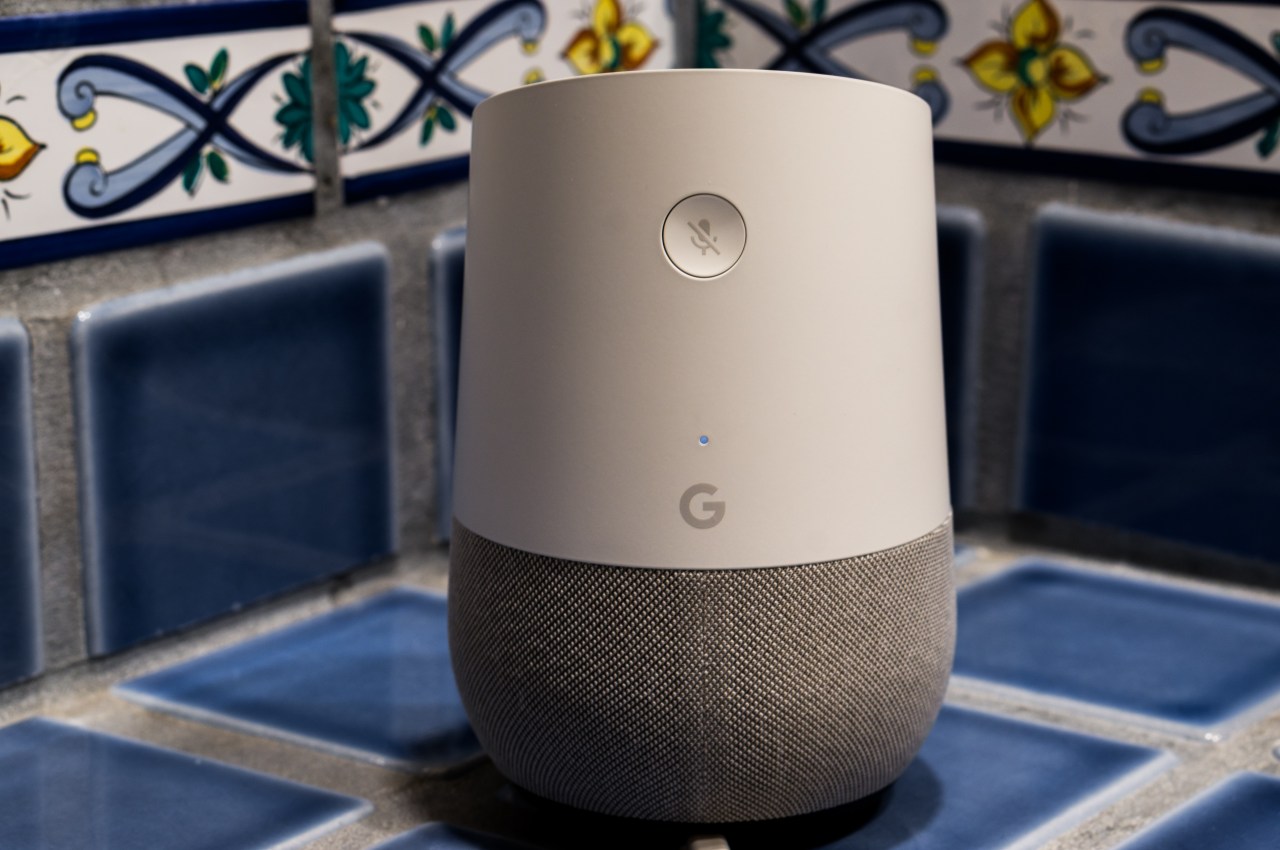
In the evolving landscape of smart home technology, Google appears to be ramping up its efforts to solidify its place in this competitive arena. Last year, when Google Home made its debut at I/O, it seemed like a tentative step—an attempt to catch up with Amazon’s well-established Echo. Fast forward to today and the question remains: Can Google effectively elevate its smart home strategy to match, or even surpass, Amazon’s dominance?
The Current Landscape: Analyzing the Competition
As it stands, Amazon’s Alexa reigns supreme, boasting around 70% of the smart device market, compared to Google’s estimated 23%. This stark contrast indicates that Google has a significant uphill battle ahead. Despite the company’s vast resources and advanced machine learning capabilities, it seems to lack the decisive momentum needed to challenge Amazon’s foothold. Let’s unpack some of the reasons behind this discrepancy:
- First-Mover Advantage: Amazon launched its Echo devices in late 2014, giving it a significant head start in establishing a comprehensive ecosystem of smart home functionalities.
- Wider Distribution: Amazon has been aggressive in integrating Alexa into diverse platforms, including partnerships with manufacturers like HTC and Huawei, unlike Google Assistant, which remains limited in reach.
- Skills and Compatibility: Alexa currently offers thousands of third-party skills, enabling users to connect a myriad of devices, which significantly enhances its usability in everyday scenarios.
Where Does Google Fit In?
Despite the challenges, Google’s potential in the smart home sector should not be underestimated. The company has articulated a vision of creating a “personal Google for everyone, everywhere.” This vision aligns well with the increasing consumer desire for seamless integration across devices and platforms. To leverage this potential, Google could consider the following:
- Enhanced Cross-Device Compatibility: By pushing for greater interoperability among various smart home devices, Google can differentiate itself in a space dominated by proprietary solutions.
- Focused Marketing Campaigns: Establishing a clearer narrative around the benefits of Google Assistant—and by extension, Google Home—could draw more users into its ecosystem.
- Innovative Features: As voice-based interaction continues to gain traction, Google could invest in innovative features that utilize its superior search algorithms to enhance user experience.
Anticipating the Future
The smart home market is rapidly evolving, and Google’s involvement will only grow in importance. Recent announcements from competitors, such as Apple’s anticipated Siri speaker and developments from startups like Essential led by Andy Rubin, signal that a competitive race is on the horizon. Google must act swiftly to innovate and refine its offerings to avoid becoming a distant memory in the voice assistant battle.
The Road Ahead for Google
While Google may be lagging behind Amazon in the smart home race, it still holds considerable promise for the future. The challenge lies not only in overcoming the current competition but in maintaining relevance within a shifting computing landscape that favors alternative interaction methods. Key strategies could include:
- Investing in User Feedback: Actively engaging with users to understand pain points and desired functionalities will help create a more user-centric product line.
- Capitalizing on E-commerce Integration: By enhancing its support for e-commerce through Google Home, the company could provide tangible value to users that extends beyond voice controls.
- Innovative Business Partnerships: Collaborating with third-party developers and manufacturers will expand the Google Assistant ecosystem, making it a more attractive option for prospective users.
Conclusion: Seizing the Opportunity
In conclusion, while Google’s journey in the smart home sector appears to be fraught with challenges, it is certainly not insurmountable. With a robust technological foundation and strategic investments, Google can still carve out a significant niche in the evolving landscape of voice assistants. As the industry grows, so too should Google’s ability to meet consumer demands and redefine its smart home offerings. At fxis.ai, we believe that such advancements are crucial for the future of AI, as they enable more comprehensive and effective solutions. Our team is continually exploring new methodologies to push the envelope in artificial intelligence, ensuring that our clients benefit from the latest technological innovations.
For more insights, updates, or to collaborate on AI development projects, stay connected with fxis.ai.