
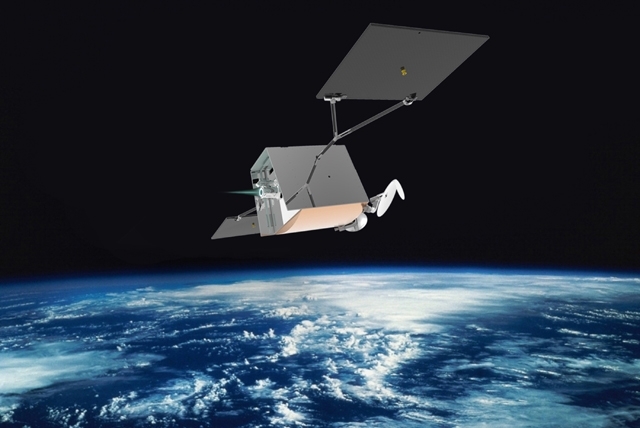
The expanse of space is home to thousands of satellites, each representing significant investment and innovation. However, despite their promising capabilities, these satellites can become expensive debris if they encounter malfunctions. Enter the Defense Advanced Research Projects Agency (DARPA) with a visionary idea: a collaborative approach to establish standards for robotic space repairs. With increasing reliance on satellites, it becomes imperative to pave the path for robotic interventions, ensuring our orbiting assets can be serviced efficiently. Let’s delve deeper into this exciting development.
The Challenge of Satellite Maintenance
In a world where satellites play a key role in global communications, weather forecasting, and even navigation, it’s alarming to realize that many of these advanced systems sit idle when they encounter issues. The lack of on-site human technicians in space essentially turns broken satellites into costly paperweights, highlighting an urgent need for a solution.
Traditionally, satellite repairs are a challenge. Performing maintenance in a zero-gravity environment is a daunting task for astronauts aboard the International Space Station (ISS), who have myriad responsibilities beyond repairing satellites. Thus, robotic servicing emerges as a pragmatic and efficient alternative.
Introducing CONFERS
To address these challenges, DARPA has created the Consortium for Execution of Rendezvous and Servicing Operations (CONFERS). This initiative aims to unify both the space industry and governmental entities in developing standards for robotic servicing. According to Todd Master from DARPA, the goal is to foster an environment where industry players can collaborate while ensuring that the operational protocols for servicing satellites are streamlined and effective.
Why Standardization Matters
The core of CONFERS is built around the idea of standardization. Here’s why it could prove essential:
- Cost Efficiency: By creating a set of widely accepted standards, companies can reduce development costs and improve their mission adaptability.
- Interoperability: Standardized designs mean that robotic systems can be developed with various satellites in mind, boosting compatibility and reducing the need for custom parts.
- Innovation Acceleration: A common framework would encourage more players in the market, stimulating competition and innovation.
The Path Ahead: Proposal Day
DARPA is welcoming contributions and ideas from the broader community. A proposal day is set for December 16, and anyone interested is encouraged to participate, bringing in a diverse array of insights that could shape the future of on-orbit servicing.
Security procedures will be enforced, but the opportunity for public engagement signifies the importance of community involvement in the advancement of technology. This inclusive approach may unveil novel ideas that could contribute meaningfully to the consortium’s goals.
Conclusion: Embracing a New Era of Space Maintenance
The establishment of CONFERS presents an exciting opportunity for the space industry to transform how we approach satellite maintenance. By coming together to establish strong foundations for robotic servicing standards, the industry can create a more resilient and sustainable framework for the future of space exploration. With robotic servicing, there’s a promise not only of extending satellite longevity but also of pushing the boundaries of what’s possible in space innovation.
At fxis.ai, we believe that such advancements are crucial for the future of AI, as they enable more comprehensive and effective solutions. Our team is continually exploring new methodologies to push the envelope in artificial intelligence, ensuring that our clients benefit from the latest technological innovations.
For more insights, updates, or to collaborate on AI development projects, stay connected with fxis.ai.