
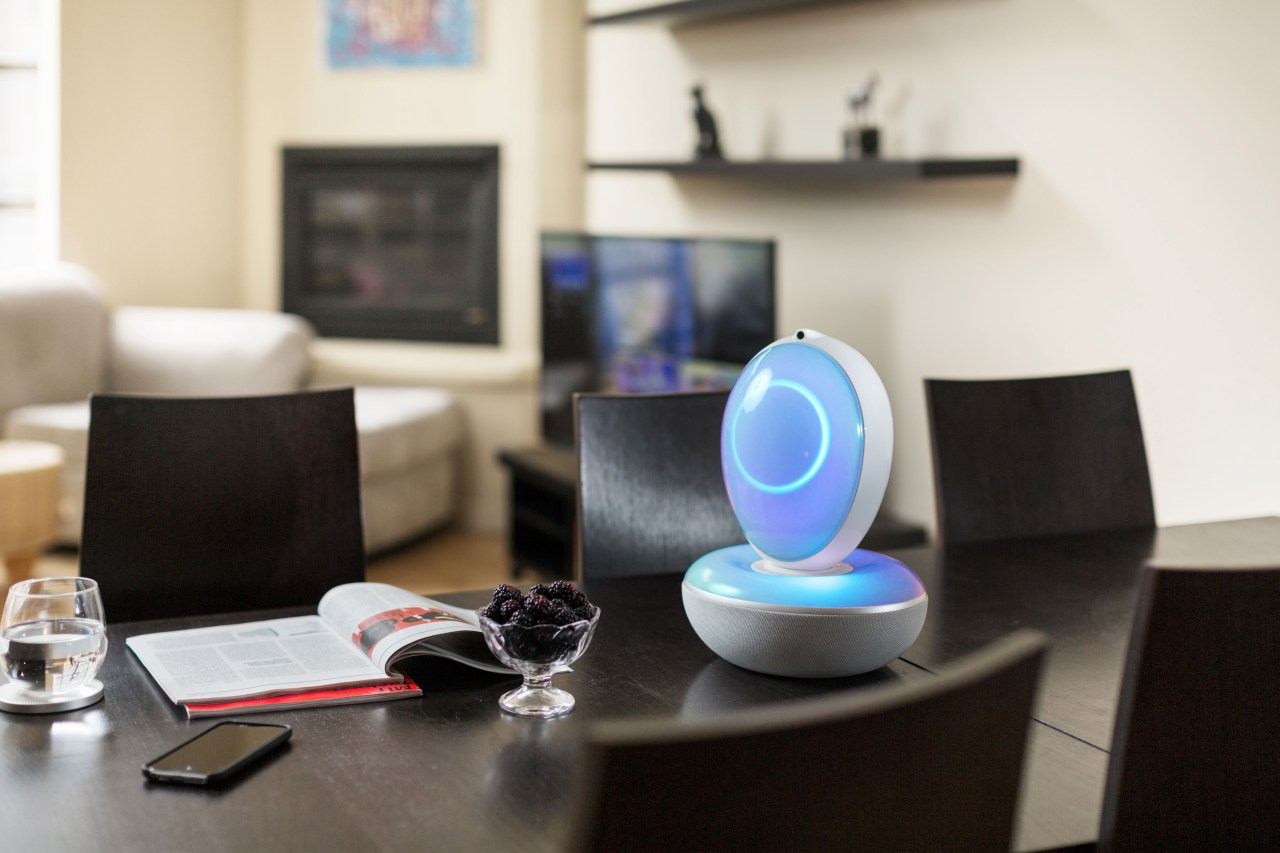
In the realm of smart home technology, a unique contender named Melody is capturing attention—one that seemingly resembles a giant egg with a TV for a heart. Yet, this quirky device promises to revolutionize the way we interact with technology at home. With the recent announcement of a $50 million funding round, bringing its valuation to an impressive $450 million, Melody isn’t just a delightful addition to the tech landscape; it represents a significant stride in artificial intelligence and multimodal communication capabilities.
Unpacking Melody’s Features
Melody is more than just a cute gadget; it’s a sophisticated assistant designed to see, hear, and even sing. Central to its functionality are advanced features like:
- Face and Voice Recognition: Built from the ground up, Melody is capable of recognizing unique faces and voices, making it ideal for homes with multiple users, eliminating the need to specify user names for commands.
- Multilingual Interaction: Melody can converse in both English and Mandarin, enhancing its usability in diverse households. This was achieved through meticulous audio recording and processing, allowing it to form words it was never explicitly taught.
- Dynamic Display: A striking feature is its colorful display, powered by an internal DLP projector that showcases a variety of content, from weather updates to music album art.
- Home Automation Hub: Acting as a central controller, Melody connects seamlessly with IoT devices throughout the home, establishing effortless integration into everyday life.
Investment and the Intellectual Backbone
Behind the scenes of Rokid operates a dedicated team of innovators and specialists including 15 PhDs and 21 master’s degree holders, demonstrating the depth of knowledge fueling the company’s advancements. According to Tami Zhu, the General Manager, much of the company’s valuation stems from its impressive intellectual property portfolio, which focuses on complex problems such as natural language processing and computer vision. This contrasts with similar companies in the U.S. that have garnered attention but have struggled to attract similar levels of investment.
Marketplace Competition
While Melody showcases a host of advanced features, it faces stiff competition from established players like Amazon Echo and Google Home. Priced around $800, it sits at a premium, and potential customers might question whether its innovations justify the expense. Zhu has indicated that a different pricing strategy would be implemented in the U.S. when the device eventually makes its debut, reflecting the competitive landscape that Rokid is entering.
Looking Ahead
The journey of Rokid and Melody serves as a vital commentary on the evolution of AI interaction. As the technology matures, consumer expectations heighten, anticipating more intuitive, human-like interactions with devices. Rokid’s commitment to multimodal AI signals a broader trend that denotes the future of user engagement—a landscape where devices are not just tools but genuine companions that understand their users’ unique preferences and habits.
Conclusion
Melody may look like a whimsical creation, yet it embodies a forward-thinking approach to home technology and user interaction. With significant backing, cutting-edge features, and a vision for the future of human-computer interaction, Rokid could potentially pave the way for new standards in smart home technology. As technology continues to advance, the answers to the challenges faced by Melody and its competitors could lead to astonishing developments that further blur the lines between human interaction and artificial intelligence.
For more insights, updates, or to collaborate on AI development projects, stay connected with fxis.ai.
At fxis.ai, we believe that such advancements are crucial for the future of AI, as they enable more comprehensive and effective solutions. Our team is continually exploring new methodologies to push the envelope in artificial intelligence, ensuring that our clients benefit from the latest technological innovations.