
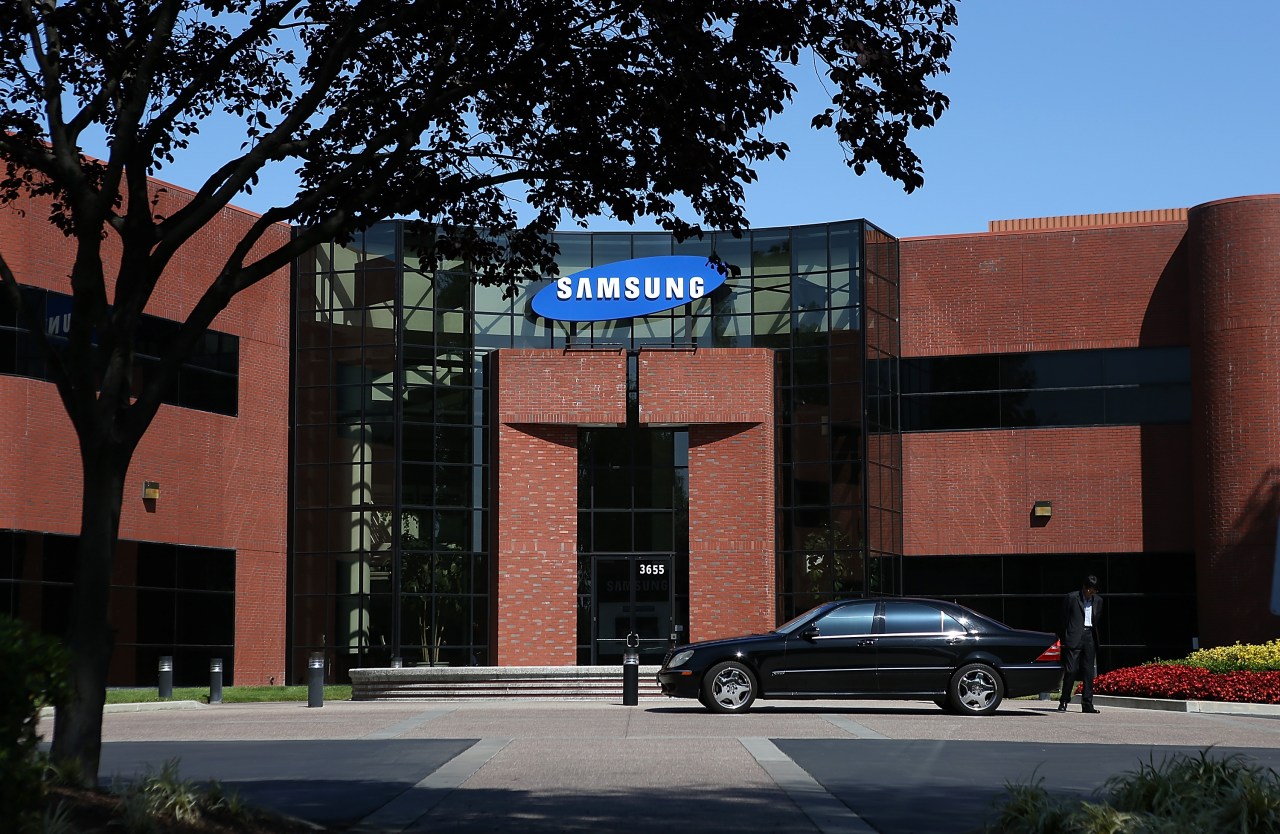
The automotive industry is undergoing a seismic shift, with major tech players and traditional automakers racing to dominate the self-driving vehicle space. In this exciting arena, Samsung has made headlines by securing a self-driving car testing permit in California. This milestone not only signals Samsung’s ambition in the autonomous vehicle realm but also serves as a reflection of the growing intersection between technology and transportation.
The Context of California’s Testing Grounds
California has long been a hotspot for autonomous vehicle innovation, drawing a host of participants eager to test their cutting-edge technologies. The California Department of Motor Vehicles (DMV) maintains a public list of companies authorized to test self-driving cars, which now proudly includes Samsung, alongside industry giants like Waymo, Apple, and GM. This permit is not just a regulatory hurdle crossed; it showcases a commitment to innovation, placing Samsung amongst some of the most significant players in the automotive tech landscape.
Samsung’s Strategic Move
Samsung’s acquisition of a testing permit follows its previous approval to test similar technologies in South Korea earlier in the year. This dual-approach strategy indicates a global mindset aimed at honing their self-driving technology in diverse environments. With a deep-rooted presence in California through its San Jose office, Samsung seems poised to leverage this strategic location, not just for testing but also for enhancing partnerships with other tech firms.
Leveraging Partnerships for Competitive Edge
- Advanced Hardware Integration: Samsung’s modified Hyundai vehicles boast AI-powered computer modules and advanced sensors, hinting at the tech giant’s robust approach to integrating hardware and software.
- Supply Chain Advantages: With its far-reaching supply relationships, Samsung could potentially outpace competitors by acting as a self-driving software platform provider. This could include everything from infrastructural solutions to in-car technology.
- Technological Synergy: Collaboration with other automakers and tech companies may enable Samsung to accelerate its development cycle and implementation strategy in autonomous driving technologies.
Influencing the Future of Transportation
The advancement of self-driving technology is not merely about creating autonomous cars; it’s about transforming the very fabric of how we commute. As Samsung marches onward with its ventures, it’s not just a race to the finish line—it’s a journey that could redefine transportation standards and enhance user experiences across the globe.
Conclusion: A New Era on the Horizon
As the line between automotive and tech sectors continues to blur, Samsung’s foray into autonomous vehicle testing signifies a promising future for mobility. The company’s notable efforts in California could very well set the stage for broader innovations in self-driving technology, leading to a more interconnected and efficient transportation ecosystem.
At fxis.ai, we believe that such advancements are crucial for the future of AI, as they enable more comprehensive and effective solutions. Our team is continually exploring new methodologies to push the envelope in artificial intelligence, ensuring that our clients benefit from the latest technological innovations.
For more insights, updates, or to collaborate on AI development projects, stay connected with fxis.ai.