
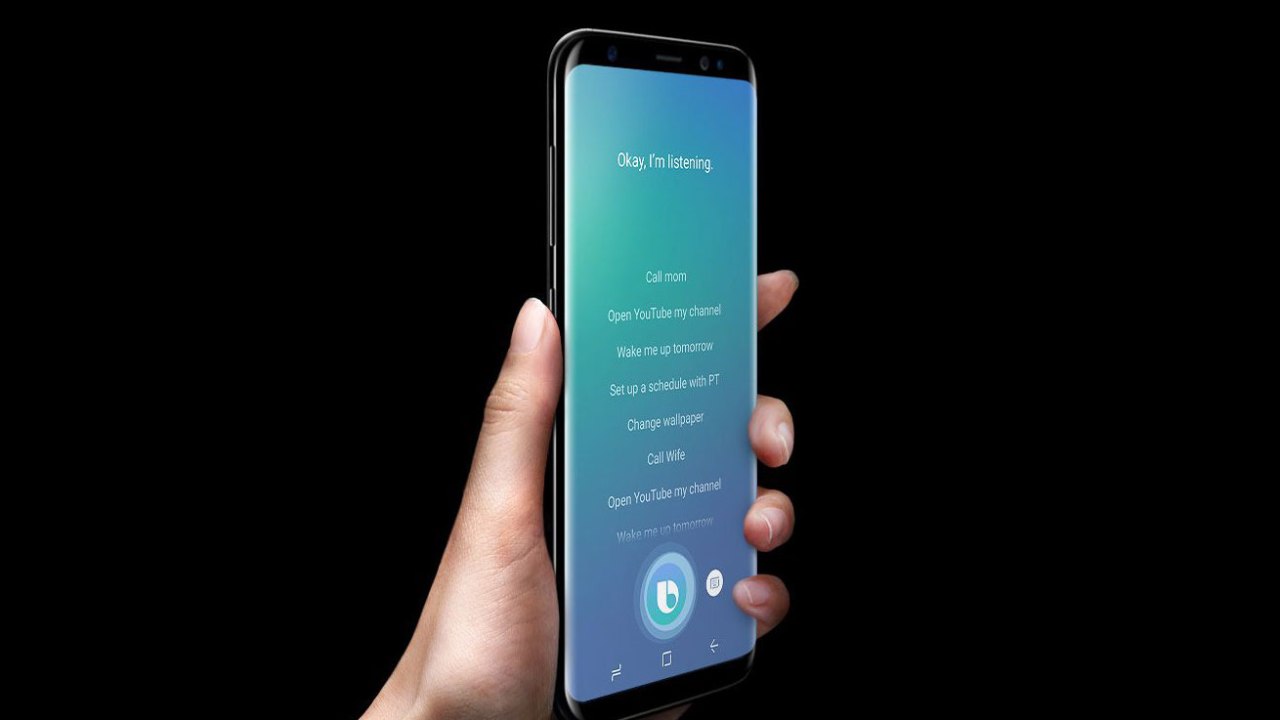
In the expansive world of technology, timing is everything. Samsung’s Bixby voice assistant was designed to be a major player in the competitive voice assistant game, joining the ranks of Google Assistant, Amazon Alexa, and Apple’s Siri. However, the path to launch has been anything but smooth. Let’s dive into the challenges Bixby faced prior to its launch and explore what it means for the future of voice technology.
Challenges Leading to Delays
Originally slated to launch alongside the Galaxy S8 smartphone, Samsung’s Bixby encountered significant delays, primarily due to difficulties in its natural language processing capabilities. Internal tests revealed that the voice assistant was struggling with English syntax and grammar, leading to concerns about its usability in real-world scenarios. Given the focus Samsung placed on Bixby as an AI innovation, these setbacks raised eyebrows within the tech community.
More than Just Voice
What sets Bixby apart from its competitors is not solely its voice capabilities. Samsung designed Bixby to encompass various modes of interaction, including:
- Text Entry: Users can type commands directly into the Bixby interface, a feature that can come in handy when voice input is not an option.
- Camera-based Analysis: The assistant can utilize the camera for computer vision tasks, allowing users to search for products, recognize food items, and even translate text in real-time.
While the launch of these features aligned with the Galaxy S8’s release, the highly anticipated voice component remained under wraps, causing frustration among eager users.
Samsung’s Quest for Redemption
The delays in launching Bixby come at a particularly sensitive time for Samsung. Following the notorious Galaxy Note 7 fiasco, which saw the recall of the device due to battery malfunctions, the company needed a successful product rollout to regain consumer trust. Bixby was to serve as a hallmark feature, positioning Samsung to reclaim its standing in the competitive landscape of AI assistants.
The Impact of Continued Delays
Samsung’s opaque communication regarding Bixby’s timeline only added to speculation and unease among users. The implication that software could dictate hardware’s success is not lost on the market. As tech enthusiasts awaited updates, they found that most sections on the Bixby webpage came with prominent asterisks indicating availability variances by country and language, further complicating expectations.
Looking Towards the Future
As we reflect on the Bixby saga, it’s essential to recognize the complexities in launching AI-driven products. The integration of cutting-edge technology often requires meticulous calibration, especially when voice interaction is a critical aspect. Moreover, a slow and steady approach to innovation may prove beneficial in ensuring that the product meets both user expectations and functional benchmarks.
Conclusion
Samsung’s Bixby experience serves as a reminder of the challenges tech companies face in an ever-evolving technological landscape. By acknowledging these hurdles and focusing on refining the user experience, Samsung can find its footing in the competitive AI voice assistant arena. At fxis.ai, we believe that such advancements are crucial for the future of AI, as they enable more comprehensive and effective solutions. Our team is continually exploring new methodologies to push the envelope in artificial intelligence, ensuring that our clients benefit from the latest technological innovations.
For more insights, updates, or to collaborate on AI development projects, stay connected with fxis.ai.