
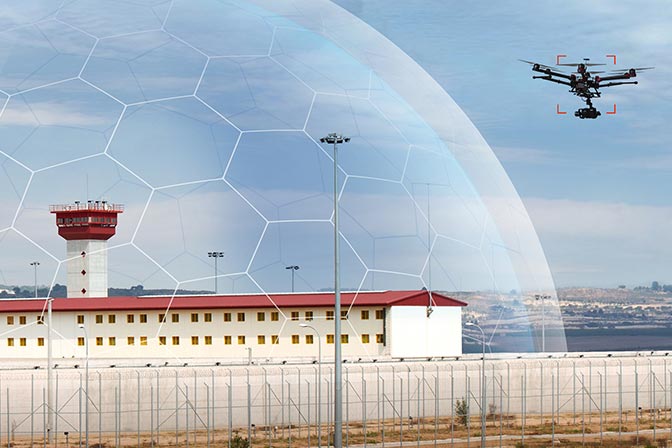
As the prevalence of civilian drones continues to soar, the need for robust monitoring systems has never been more critical. The advent of innovative technology aimed at detecting aerial intruders has ushered in an exciting new phase in ensuring both safety and compliance in our airspace. One notable player in this space is Dedrone, a company that has made significant strides in equipping various venues with drone detection systems.
The Leap into Funding: Dedrone’s Journey
In a strategic move to enhance its capabilities, Dedrone recently secured $10 million in a Series A funding round led by Menlo Ventures, boosting its total funding to nearly $12.9 million. This influx of capital is set to fuel further research and development, expanding their formidable DroneTracker technology.
DroneTracker: Technology at a Glance
At the heart of Dedrone’s success lies its flagship product, the DroneTracker system. Designed for diverse environments—from sports stadiums to private residences—the system uses an impressive blend of sensors: cameras, acoustic tools, and radio frequency detectors to identify and classify drones in real-time. Here’s what makes DroneTracker stand out:
- Multi-Sensor Approach: By integrating various sensors, the system achieves a high level of accuracy in drone detection.
- Scalability: Smaller venues may only require one or two units, while larger events could implement multiple systems for comprehensive coverage.
- No Data Selling: Dedrone prioritizes user privacy by refraining from selling detected data to third parties, issuing only warning alerts and summaries to clients.
Challenges and Opportunities in Aerial Surveillance
While the potential for drones to serve beneficial roles—such as wildlife monitoring and medical deliveries—exists, there is a darker side to their proliferation. Drones have been implicated in criminal activities, from drug trafficking to espionage, necessitating a strong countermeasure system. As Dedrone co-founder Joerg Lamprecht emphasizes, collaborative efforts are crucial to ushering in an age of safer skies. “Drones have the potential to be used for the greater good,” he states, underscoring an urgent need for regulations and security measures in drone operations.
Impact on Various Sectors
With a growing clientele encompassing airports, stadiums, and even private residences, Dedrone is gradually cementing its position in the security landscape. Major organizations, including Booz Allen Hamilton and Bosch Security Systems, collaborate with Dedrone to enhance their physical security offerings. However, the impact stretches beyond the corporate realm; ordinary citizens are increasingly affected by drone-related incidents, making this technology essential for public safety.
The Road Ahead for Dedrone
Dedrone plans to leverage its new funding to enhance its manufacturing processes and expand its workforce, staying ahead of the curve in a rapidly evolving industry. As highlighted by Venky Ganesan, Managing Director of Menlo Ventures, the security threats associated with drones are bound to proliferate. “Drones make physical fences meaningless in terms of security,” he notes, illustrating the pressing need for integrated physical and cyber solutions.
Conclusion: A New Era of Airspace Safety
As drones become part of everyday life, empowering organizations and individuals to recognize and mitigate associated risks is imperative. Companies like Dedrone are leading the charge in a space that is poised to grow substantially, ensuring that as innovation marches forward, so too does our capacity to secure our skies.
At fxis.ai, we believe that such advancements are crucial for the future of AI, as they enable more comprehensive and effective solutions. Our team is continually exploring new methodologies to push the envelope in artificial intelligence, ensuring that our clients benefit from the latest technological innovations.
For more insights, updates, or to collaborate on AI development projects, stay connected with fxis.ai.