
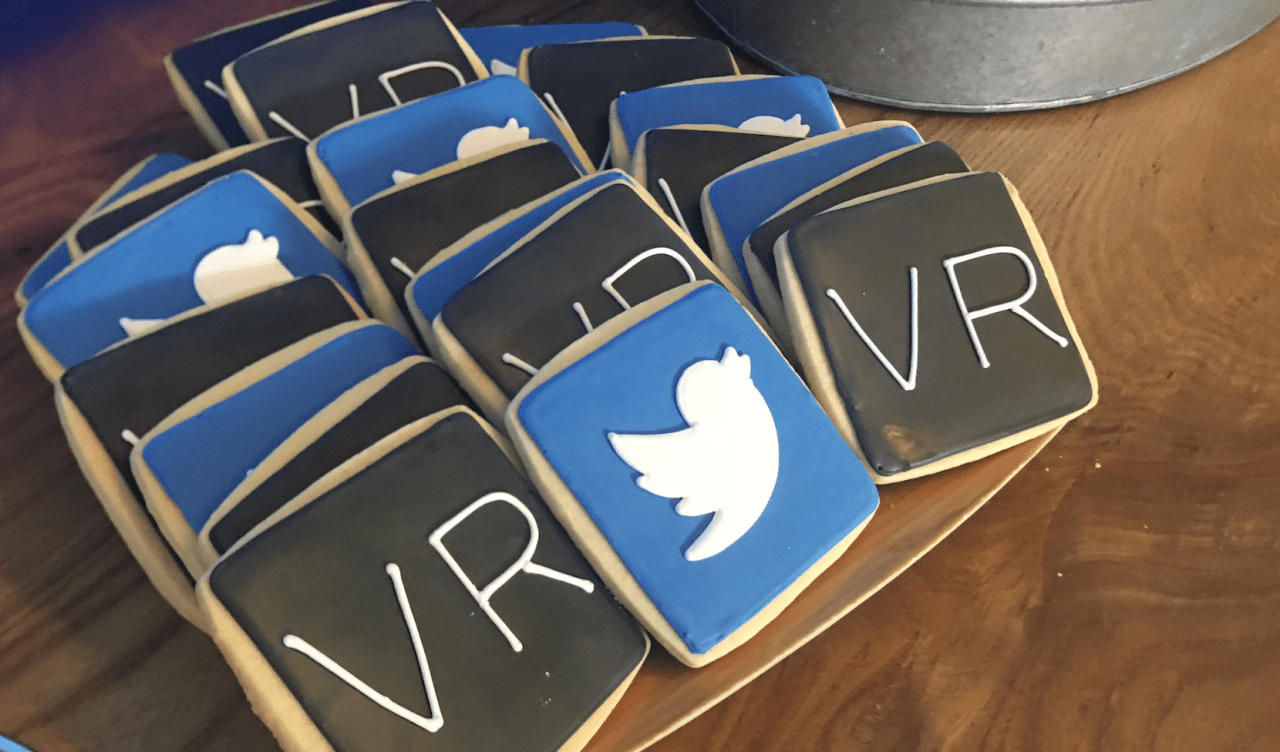
The world of augmented reality (AR) and virtual reality (VR) is rapidly evolving, and in this dynamic landscape, leadership changes at major tech companies can significantly influence the trajectory of innovation. Recently, Alessandro Sabatelli, the head of Twitter’s AR/VR team, announced his departure from the social media giant after 18 months. This news raises intriguing questions about Twitter’s future in the AR/VR domain and reflects the broader trends emerging in the tech industry.
The Backstory: Who is Alessandro Sabatelli?
Alessandro Sabatelli came to Twitter in June 2016, following his leadership role at a virtual reality startup focused on music experiences. With a robust background as a designer at Apple, Sabatelli was expected to inject creativity and ambition into Twitter’s AR and VR efforts. However, his tenure has been marked more by caution than groundbreaking developments.
Twitter’s Reluctance in the AR/VR Space
While tech counterparts like Facebook, Google, and Snap have vigorously pursued AR and VR innovations, Twitter has lagged behind. The company’s meager advancements, including experimenting with Live 360 video on Periscope, pale in comparison to the bold strides made by its competitors. AR features such as selfie masks, which have become staples for Snapchat and Facebook, remain conspicuously absent from Twitter’s offerings.
- Slow Adoption: Twitter has been slow to embrace AR content creation, missing out on the opportunity to engage users in a more immersive way.
- Limited Resources: Unlike other tech giants that actively channel resources into AR/VR R&D, Twitter’s hesitance may stem from its longstanding focus on core social media functionalities.
- Changing Leadership: Leadership transitions can often lead to shifts in strategy. With Sabatelli’s departure, it’s crucial to consider how this might affect Twitter’s commitment to AR and VR technologies.
Industry Trends: The Bigger Picture
The AR and VR marketplace is buzzing with excitement as companies redefine their visions and approaches. For instance, Facebook recently appointed a new director for AR who hails from Google, signaling their intensified focus on this emerging realm. Companies are not just iterating on existing features; they are challenging the paradigms of user interaction, product design, and content consumption.
As consumers increasingly expect immersive experiences, Twitter’s ability to innovate will be pivotal. The synergy of creativity, technology, and user engagement in AR and VR has proven profitable for others, leaving many to speculate on Twitter’s potential missed opportunities.
What Lies Ahead for Twitter?
As Sabatelli exits, one must ponder whether Twitter will pivot back towards AR/VR innovation or remain focused on its traditional social media model. Given the competitive landscape, the company could benefit from either:
- Investing in New Talent: Finding a successor with a passion for AR and VR could reinvigorate Twitter’s approach, enabling it to explore untapped opportunities.
- Collaborative Ventures: Exploring partnerships with established AR and VR platforms could also bolster Twitter’s offerings without the need for extensive in-house development.
Conclusion: A Call to Action
As the AR and VR arenas continue to expand and shape how users engage with content, Twitter stands at a crossroads. The departure of a key leader like Alessandro Sabatelli opens the doors for new ideas and strategies that could either accelerate Twitter’s relevance in this space or constrain it further behind competitors.
At [fxis.ai](https://fxis.ai/edu), we believe that such advancements are crucial for the future of AI, as they enable more comprehensive and effective solutions. Our team is continually exploring new methodologies to push the envelope in artificial intelligence, ensuring that our clients benefit from the latest technological innovations.
For more insights, updates, or to collaborate on AI development projects, stay connected with [fxis.ai](https://fxis.ai/edu).