
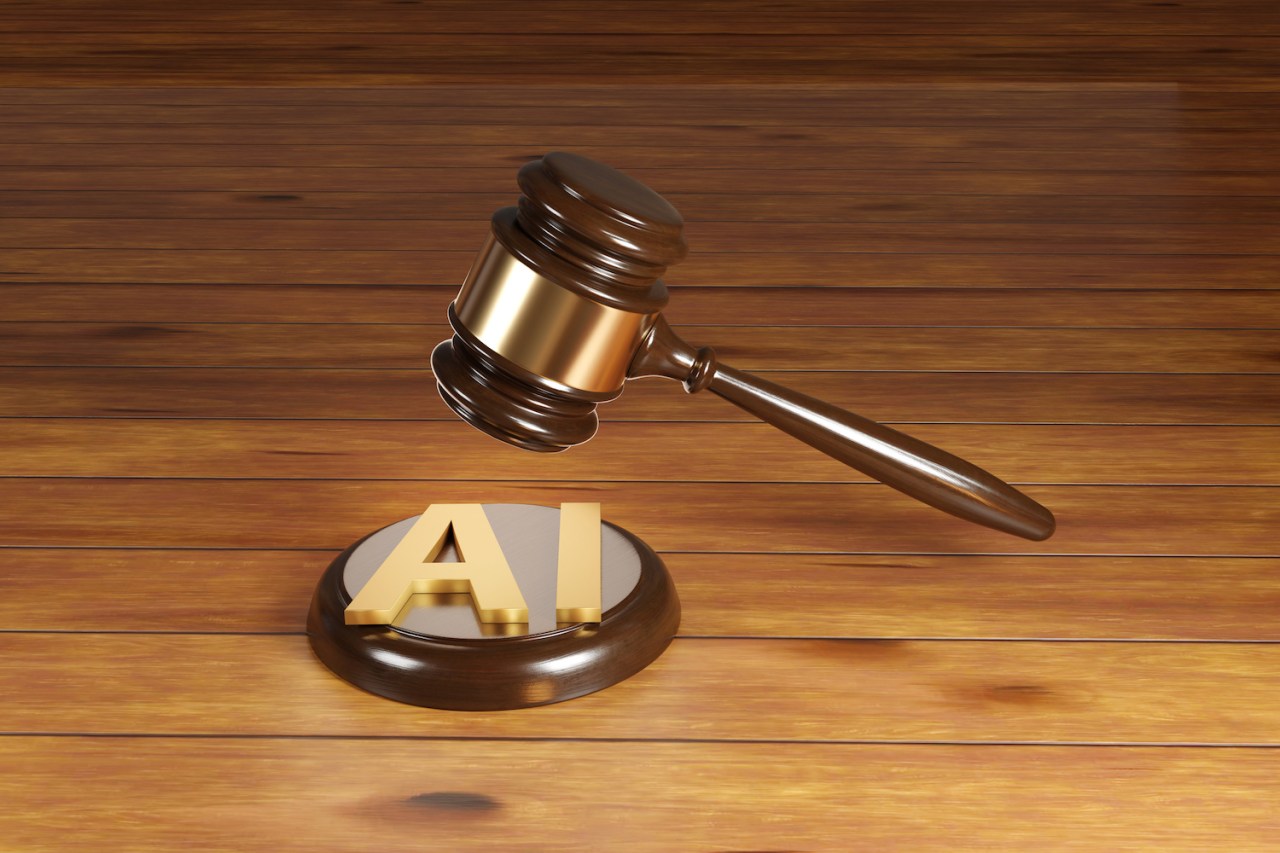
In the age of artificial intelligence, we stand on the precipice of a revolution that echoes the tales of pioneers like Isaac Asimov. His visionary narratives didn’t simply entertain; they offered a framework to contemplate the ethical boundaries of technology. As we observe the relentless surge of generative AI and its rapidly growing repertoire of capabilities, the conversation around AI regulation is more critical than ever. It’s time to carve out a new era of rules that will not only safeguard our interests but also spark innovation on a global scale.
Understanding the Neutrality of Technology
Historically, technology has always wielded a dual-edged sword. It can be a force for good, as seen in its ability to facilitate communication and streamline tasks. However, it can also lead to catastrophic consequences when mishandled. Take, for instance, the power of fire: it warms our homes yet has the potential for widespread destruction. Similar analogies can be drawn with nuclear energy. While it serves as a critical power source for many countries, its misuse can result in devastation.
The Bright Side of AI
The potential for AI to address pressing global challenges is enormous. From enabling quicker drug discovery to enhancing personalized healthcare, the applications are practically limitless. A recent dialogue among Detroit-area chief information officers highlighted how generative AI is not just accelerating the development cycle for new products but is also elevating competitiveness. Furthermore, studies by McKinsey estimate that generative AI could significantly enhance the global economy, propelling it by approximately $4.4 trillion annually.
Balancing Risks with Rewards
Acknowledging the vast benefits AI can offer does not mean ignoring the inherent risks associated with its misuse. Issues such as deep fakes, privacy violation, and misinformation demand our immediate attention. Yet, the answer isn’t to halt research altogether—an unrealistic expectation that could easily lead to exploitation by unscrupulous entities. Instead, we need proactive solutions that simultaneously raise alarms and offer defenses against these threats.
A Tale of Global Regulation
While the U.S. has adopted a somewhat fragmented approach to AI, other nations are gearing up for hyper-regulatory measures that may stifle innovation. The European Union is on the brink of passing an ambitious AI Act that would impose stringent restrictions on companies wishing to innovate. This could result in a situation where only government-backed initiatives or well-capitalized corporations can navigate the certification labyrinth, thereby limiting competition and creativity.
In stark contrast, China has set its sights on establishing superiority in both civilian and military AI applications, often at the expense of privacy and human rights. The U.S. must adopt effective measures to embrace AI innovation and protect its citizens’ values to avoid falling drastically behind.
The Need for a National Privacy Framework
A comprehensive federal privacy bill is indispensable in paving the way for clear, consistent guidelines across all states. The existing patchwork of laws complicates compliance for small businesses, creating an environment riddled with confusion and uncertainty. A national standard would not only clarify regulations but also foster consumer trust as AI continues to infiltrate numerous aspects of life.
Establishing Principles for Responsible AI Use
The development of AI technologies requires well-defined principles that set clear expectations around responsible usage. As innovations continue to surface, the regulatory focus should drift toward outcomes and overall goals rather than shying away from specific technologies. Risk assessment must play a pivotal role, guiding policies that safeguard citizens’ rights while promoting access to essential services.
A Collaborative Effort
Industry stakeholders are vital in shaping effective, fair policies for AI. Organizations such as the Consumer Technology Association are already collaborating with policymakers to draft unified principles that nurture the responsible development of AI technologies. A collective effort is essential in ensuring that the U.S. does not lose its advanced position in the global technology arena.
Conclusion: A Pivotal Moment for AI Innovation
As we navigate these complex waters, the future of AI is laden with both promise and responsibility. We can no longer afford to stand idly by as other nations rush ahead with potentially detrimental regulations. By embracing smart, thoughtful AI regulation, we create a framework that encourages innovation while ensuring safety and ethical standards. Our hands can shape the future; let’s ensure we craft a path that aligns with our values and aspirations.
At fxis.ai, we believe that such advancements are crucial for the future of AI, as they enable more comprehensive and effective solutions. Our team is continually exploring new methodologies to push the envelope in artificial intelligence, ensuring that our clients benefit from the latest technological innovations. For more insights, updates, or to collaborate on AI development projects, stay connected with fxis.ai.