
As smart home devices become more prevalent in our daily lives, they bring with them a host of conveniences—and concerns. Recent research by Dr. Veronica Barassi at Goldsmiths, University of London highlights a critical issue: the intersection of children’s data privacy and smart home technologies. With more families integrating AI virtual assistants, smart appliances, and security systems into their homes, the need for privacy safeguards, particularly for young users, has never been more pressing.
The Complexity of Home Life Data
Dr. Barassi’s report, entitled “Home Life Data and Children’s Privacy,” spotlights what she calls “home life data.” This term encapsulates the wealth of information gathered by smart technologies, which often blend adult and children’s data in profound and potentially concerning ways. While most discussions surrounding smart devices focus on personal data use, they frequently overlook how children’s interactions with these technologies can contribute to a shared digital footprint that lacks clear protections.
Children as Inadvertent Data Subjects
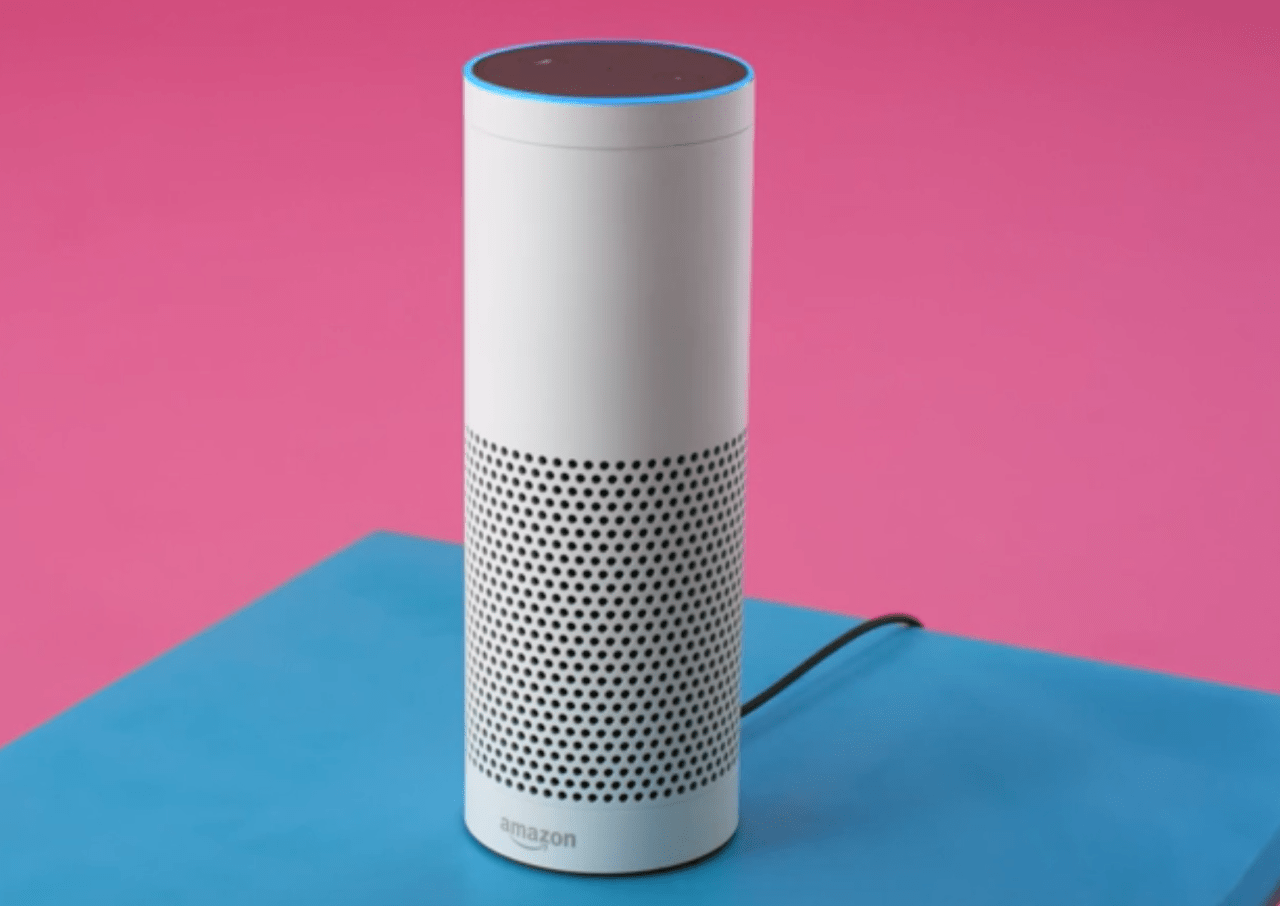
One of the key issues highlighted in the report is the nature of multi-user functionalities within devices, such as Amazon’s Household Profiles. These features can inadvertently expose children’s data through automated interactions. For instance, how many of us have asked a smart speaker a question, only to realize that children may have been nearby, their voices captured as part of the conversation?
- Biometric Data Concerns: Smart devices often utilize voice or facial recognition technologies, collecting biometric data without differentiating between adults and children. This presents a gray area in privacy protocols, as the implications of collecting children’s biometric data remain under-discussed.
- Generic Privacy Policies: The report points out how many companies’ privacy policies still lack clarity and specificity when it comes to children’s data, often relegating their handling to vague terms that don’t fully address the unique vulnerabilities of young users.
The Parent’s Dilemma
With these technologies increasingly marketed toward families, the responsibility of protecting children’s data often falls on parents. Unfortunately, many parents are already inundated with the complexities of navigating lengthy terms and conditions, especially after regulations like GDPR have come into play. The burden of ensuring children’s safety in digital spaces can feel like an overwhelming task—one compounded by the fast-paced evolution of smart technologies.
Calls for Action: The Proposed Age-Appropriate Design Code
In light of her findings, Barassi has urged the UK’s Information Commissioner’s Office (ICO) to consider her report in their crafting of an Age Appropriate Design Code. This code aims to establish necessary guidelines for how technology companies should design and regulate their products, ensuring that children are safeguarded by default in an increasingly connected world.
Such regulatory frameworks could encourage companies to rethink their design processes and prioritize children’s privacy from the ground up. This is paramount as the digital landscape evolves even faster than the regulations intended to govern it.
What Companies Should Do
The onus is not solely on parents; companies that produce smart devices carry significant responsibility. Many companies still fall short in recognizing the privacy implications of their technologies. Here are steps that companies can take to protect children:
- Establish clear, accessible privacy policies differentiating between adult and children’s data.
- Design products with built-in privacy settings tailored for younger users.
- Create mechanisms for parents to review and manage their children’s data effortlessly.
Conclusion: An Urgent Call for Greater Awareness
The dialogue around children’s data privacy in the context of smart home devices is urgent and necessary. As we continue to embrace advancements in technology, we must advocate for designs and policies that prioritize the safety of our youngest users. Dr. Barassi’s report serves as a timely reminder that in our quest for convenience and modernization, we cannot afford to overlook the fundamental rights of privacy and protection for children.
At fxis.ai, we believe that such advancements are crucial for the future of AI, as they enable more comprehensive and effective solutions. Our team is continually exploring new methodologies to push the envelope in artificial intelligence, ensuring that our clients benefit from the latest technological innovations.
For more insights, updates, or to collaborate on AI development projects, stay connected with fxis.ai.