
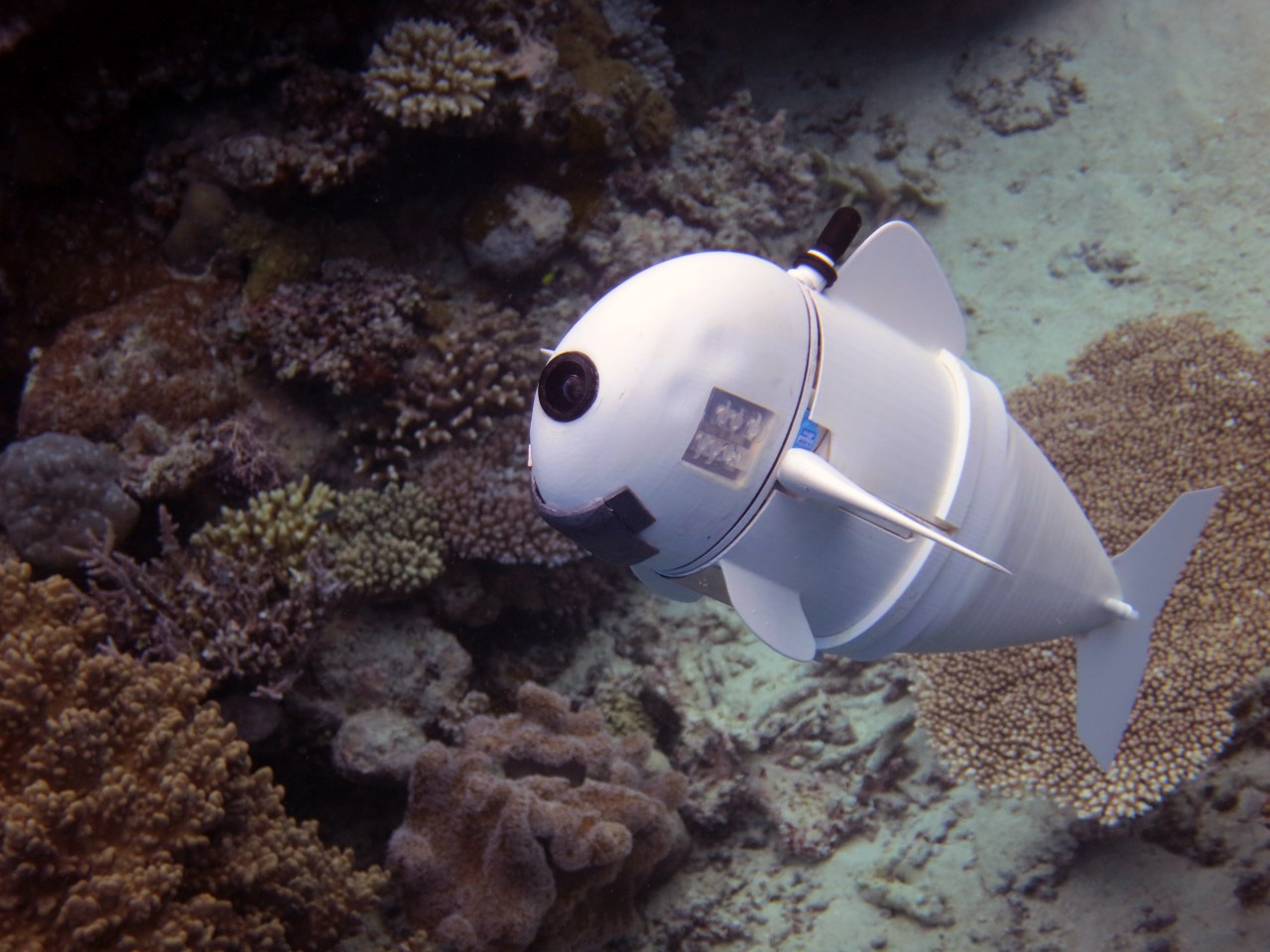
As we continue to probe the depths of our oceans, technology provides us with revolutionary tools that transcend conventional research methodologies. A groundbreaking project emerging from MIT’s Computer Science and Artificial Intelligence Laboratory (CSAIL) is the soft robotic fish, affectionately named SoFi. This innovative creation is designed to mimic the appearance and movements of real fish, allowing researchers to study marine life unobtrusively. Let’s dive into the marvels of SoFi, its design, functioning, and potential impact on marine biology.
The Design Behind SoFi
At the heart of SoFi’s design lies a combination of advanced materials and engineering principles that allow it to move fluidly through water. Robert Katzschmann, the study’s lead author, emphasized the use of silicone elastomer, which is structured with hollow cavities to evenly distribute pressure across its surface. This design cleverly imitates how a fish’s tail operates, enabling SoFi to glide seamlessly like its aquatic counterparts—with its body flexing and its tail undulating.
- Soft Robotics: SoFi’s movement is a prime example of soft robotics, which utilize flexible materials and pneumatics to simulate biological motion.
- Sound Navigation: Unlike traditional remote controls that rely on radio signals, which struggle under water, SoFi uses high-frequency sound to receive commands. This method facilitates effective long-range communication since sound waves travel exceedingly well in aquatic environments.
Studying the Unseen
What sets SoFi apart from traditional underwater research vehicles is its ability to blend in with marine life. This stealthy approach aims to minimize disruption, thereby affording researchers an unprecedented opportunity to observe natural behaviors in species such as whales and other marine organisms. The onboard camera and fisheye lens are equipped to capture high-resolution imagery, providing marine biologists with rare insights into underwater life.
Future Potential of SoFi
The implications of SoFi’s successful deployment could be immense. As CSAIL head Daniel Rus noted, the capabilities of this robotic fish extend far beyond mere observation. The collection of data pertaining to previously elusive events—such as whale births—could reveal new dimensions in our understanding of marine biology.
Additionally, as the field of biomimicry continues to expand, the design principles established through SoFi’s development may inspire innovations in various sectors, including environmental monitoring and oceanography. Creators may find ways to translate these technologies for practical applications that protect our oceans while enhancing human understanding of marine ecosystems.
Conclusion
SoFi represents a leap in both robotics and marine research, embodying the power of innovative design in engineering. As we step further into a world where technology learns from nature, MIT’s extraordinary robotic fish provides us with the tools needed to navigate the depths of marine ecosystems responsibly. Not only will such advancements contribute to scientific discovery, but they will also enable us to foster a deeper connection and greater respect for the life that thrives beneath the waves.
At fxis.ai, we believe that such advancements are crucial for the future of AI, as they enable more comprehensive and effective solutions. Our team is continually exploring new methodologies to push the envelope in artificial intelligence, ensuring that our clients benefit from the latest technological innovations. For more insights, updates, or to collaborate on AI development projects, stay connected with fxis.ai.