
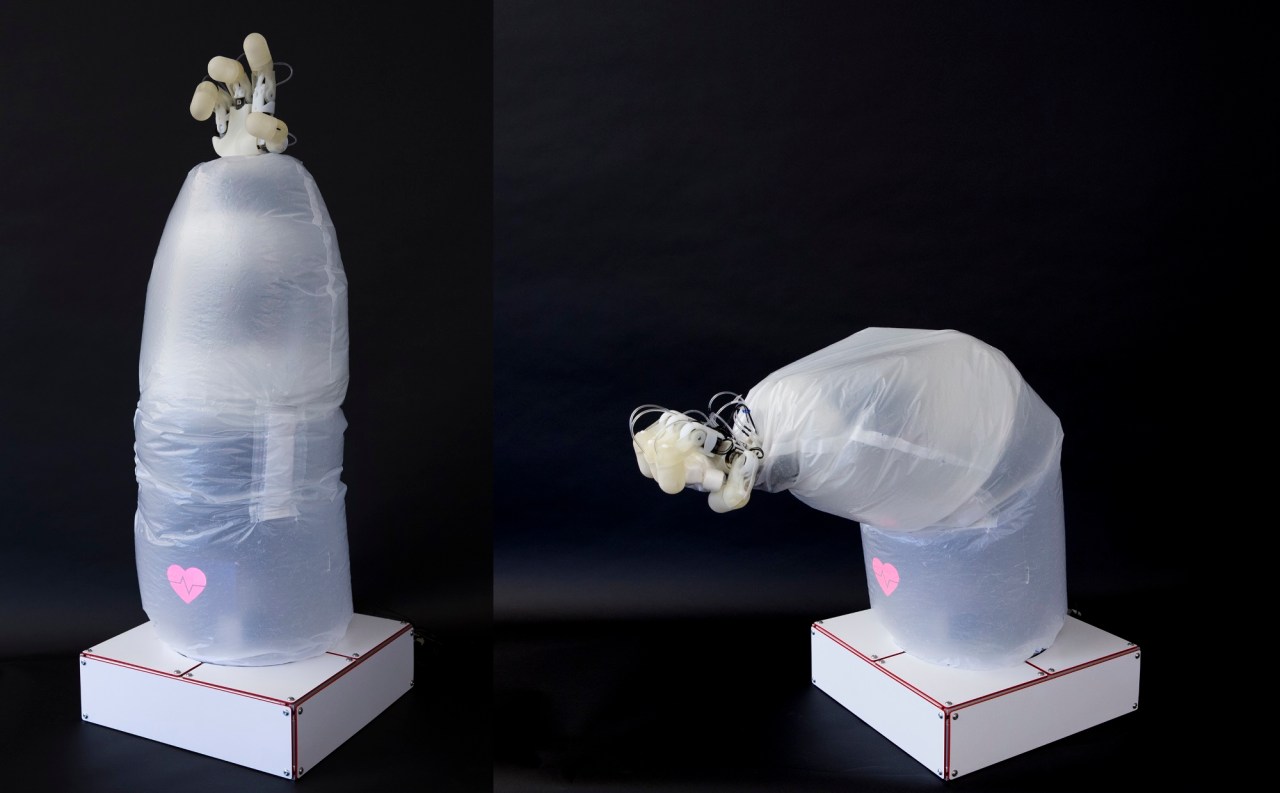
The realm of robotics has long been a playground for futuristic imagination, with soft robotics emerging as a key area that brings our favorite animated characters closer to reality. Disney, renowned for its creativity and storytelling, has taken an impressive leap into this domain with the development of a soft robotic arm that resonates with fans of the beloved character Baymax from the movie Big Hero 6. This innovation not only embodies the charm of animated technology but also showcases the promising future of robotics in human interaction.
The Inspiration Behind the Innovation
Disney Research’s soft robotic arm draws inspiration from Baymax’s cushy exterior and gentle personality. The design elements—such as the puffy joints and tactile “sausage” fingers—exemplify the researchers’ commitment to creating robots that prioritize safe, human-robot interaction. In their research paper, the team underscores the need for robots to be compliant and reactive, which not only enhances safety but also enriches user experience.
The Anatomy of the Soft Robotic Arm
- Mechanical Foundations: At its core, the robotic arm incorporates standard mechanical components like an elbow and a wrist, allowing it to replicate the movements of traditional robotic arms.
- Force Sensing Modules: Surrounding the joints are air-filled pillows known as “force sensing modules.” These modules can detect pressure, promoting gentle interaction between the robot and humans while safeguarding the mechanical components.
- Tactile Communication: The soft fingers, filled with air and designed using advanced 3D printing techniques, feature integrated pressure sensors that enable the arm to adjust its grip based on contact. This capability allows the robot to ‘feel’ its environment and interact more naturally with humans.
A Peek into the Future
Despite being in its prototype phase, this soft robotic arm demonstrates the feasibility of transitioning from traditional hard robots to softer, more adaptable designs. While it currently lacks the ability to determine the direction of a force and requires continuous air pumping to maintain its structure, the foundational principles of this design represent a significant milestone. This project illustrates how engineers can meld functionality with adaptability, paving the way for robots that can engage empathetically with their human counterparts.
The Road Ahead
As the field of soft robotics evolves, we can expect more multidisciplinary approaches that blend engineering, art, and design—much like Disney did here. This intersection of creativity and technology not only opens up avenues for safer human-robot interactions but also sets the stage for robots that can cater to human emotional and physical needs.
Conclusion: Embracing the Era of Soft Robotics
With the creation of this innovative soft robotic arm, Disney demonstrates its belief in the power of technology to create meaningful interactions. Organizations in various sectors can learn from this advancement, as the focus shifts towards integrating safety and emotional intelligence in robotic designs. The journey from the beloved Baymax to real-world applications signifies a new era in the robotics landscape—one that promises to enhance human experiences in various capacities.
At **[fxis.ai](https://fxis.ai/edu)**, we believe that such advancements are crucial for the future of AI, as they enable more comprehensive and effective solutions. Our team is continually exploring new methodologies to push the envelope in artificial intelligence, ensuring that our clients benefit from the latest technological innovations. For more insights, updates, or to collaborate on AI development projects, stay connected with **[fxis.ai](https://fxis.ai/edu)**.