
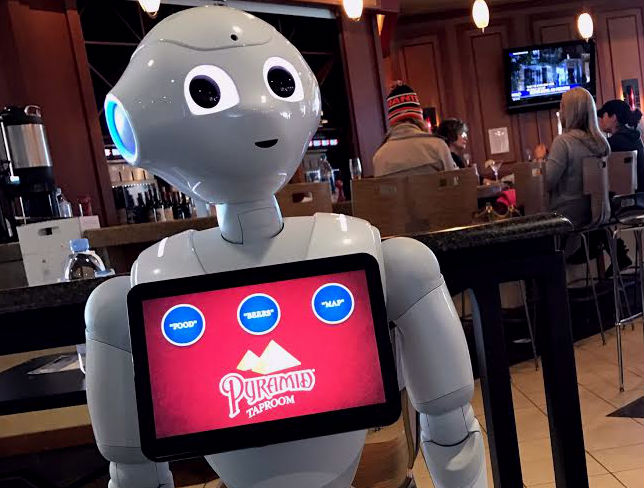
In an age dominated by technological advancement, humanoid robots are stepping into roles that were once unimaginable. One such robot, Pepper, developed by SoftBank, has been attracting attention not only for its unique design but also for its potential applications in customer service and interaction. However, despite its innovations, the need for technical programming skills has created adoption challenges. That is until SoftBank introduced Promoter, a user-friendly platform that paves the way for everyone to personalize Pepper’s greeting skills, making this robot more accessible to businesses.
Breaking Down Barriers: The Promoter Application
SoftBank’s Promoter app is designed to democratize the customization of Pepper’s interactions. In the past, tweaking the robot’s responses necessitated a solid grasp of programming. Promoter changes that narrative by allowing casual users to modify Pepper’s behavior through a simple, browser-based interface. With a focus on user experience, the application makes customizing responses akin to filling out forms or selecting from pre-defined options, reminiscent of choosing a standard message on social media.
Enhanced Customer Interaction
The main goal of Pepper’s customization is to create an engaging environment for customers. By personalizing greetings and responses, businesses can enhance customer experiences. For instance, imagine Pepper in a retail store, effortlessly engaging with customers by adapting its messages based on visual cues like age and emotional reactions. By utilizing real-time data, Pepper can adjust its interactions, making them more relevant and appealing.
Examples of Applications
- Retail Environments: Pepper can attract potential buyers by offering personalized greetings that align with individual customer behaviors and reactions.
- Event Management: At trade shows, the robot can help collect visitor information, offering a novel approach to gathering data without the usual barriers.
- Cafés and Restaurants: From taking orders to showcasing menu specials, Pepper can provide a unique customer experience that enhances the dining atmosphere.
The Cost-Benefit Dilemma
Despite its innovative features and the introduction of the Promoter application, Pepper comes at a significant cost. With a base price of $25,000, the robot’s adoption requires a solid justification in terms of returns on investment. Businesses might find it challenging to recoup costs through email sign-ups alone. A balance between innovative use and practical applications is essential if companies are to capitalize on Pepper’s potential.
Future Prospects for Pepper
While currently positioned as an interactive store greeter, Pepper is expected to evolve beyond simple customer interactions. SoftBank has plans for future iterations and applications that would allow developers to unlock more complex capabilities, transforming Pepper into a more versatile tool in the business landscape. Just like its predecessor, Nao, Pepper has the potential to become an integral part of research and development—not just a face behind a kiosk.
Conclusion: The Path Ahead
SoftBank’s introduction of the Promoter application represents an exciting shift towards making robotics accessible and customizable. As businesses increasingly seek innovative ways to engage customers, tools like Pepper promise to be valuable assets in delivering personalized experiences. With a commitment to enhancing Pepper’s functionalities, SoftBank may soon redefine what it means to have a humanoid robot in commercial settings.
At fxis.ai, we believe that such advancements are crucial for the future of AI, as they enable more comprehensive and effective solutions. Our team is continually exploring new methodologies to push the envelope in artificial intelligence, ensuring that our clients benefit from the latest technological innovations. For more insights, updates, or to collaborate on AI development projects, stay connected with fxis.ai.