
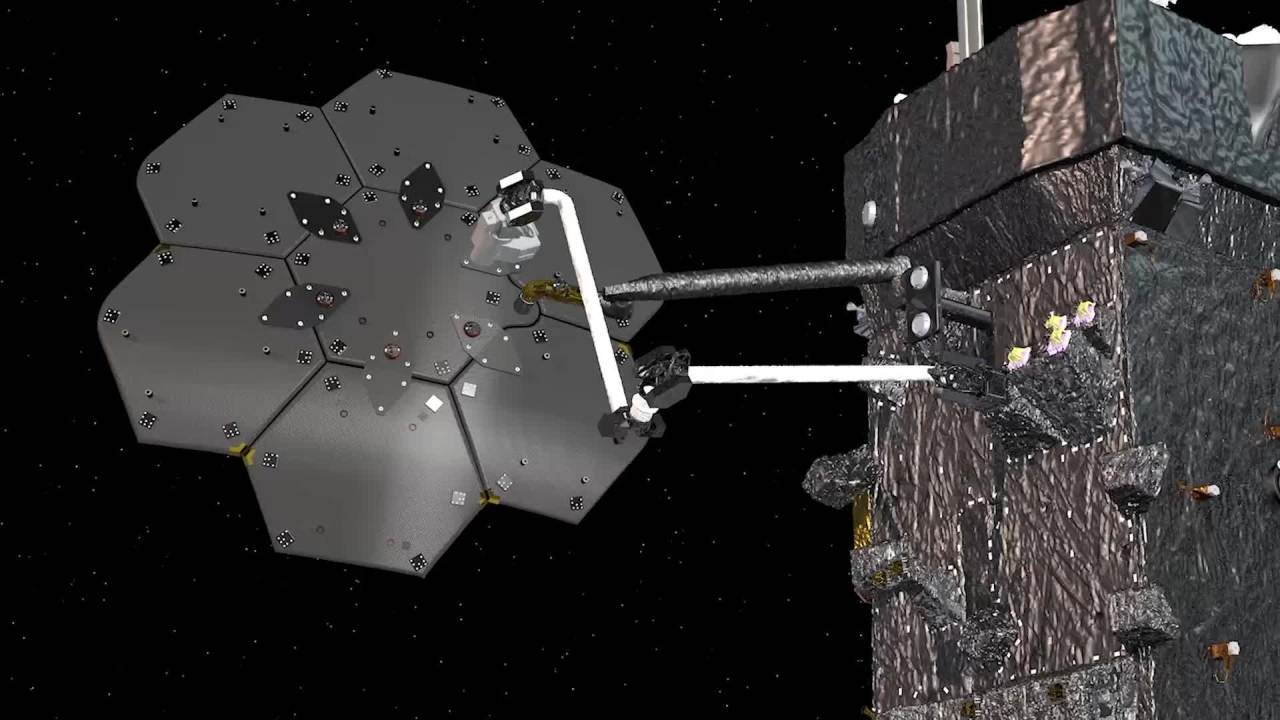
The realm of space exploration and technology is reaching new heights as NASA collaborates with Maxar Technologies to unveil an extraordinary mission: the demonstration of orbital spacecraft assembly using innovative robotic arms. This initiative, anchored in the concept of in-orbit spacecraft refueling and assembly, is poised to redefine our approach to space capabilities and infrastructure creation. With a sizeable contract worth approximately $142 million, Maxar is at the forefront of what could be a transformative journey in how we manage satellite technology and maintenance in space.
Unveiling the SPIDER Program
At the heart of this initiative is the space infrastructure dexterous robot, or SPIDER, which aligns seamlessly with NASA’s Restore-L mission. The ambition? To establish automated processes for a range of orbital tasks ranging from satellite repair to the construction of new components directly in space. This mission is not merely about innovation; it’s an essential step towards ensuring the longevity and adaptability of space assets.
The Pioneering Mission Objectives
- Refueling in Orbit: The Restore-L spacecraft will first demonstrate its ability to synchronize with, capture, and refuel an existing satellite in orbit, then release it back into a newly configured position. This could revolutionize how satellites are operated, potentially elongating their operational lifetimes.
- Robotic Assembly: Post-refueling, the craft will employ the Maxar-engineered robotic arm to assemble a multi-panel antenna reflector, testing its functionality in real-time conditions. Such capabilities might allow satellites to be upgraded or modified while they are still in orbit.
- Material Extrusion: In partnership with Tethers Unlimited, the mission will feature hardware called MakerSat, which will extrude a long beam, demonstrating its structural integrity and reusability in space.
A Leap Towards Greater Space Autonomy
As NASA’s Jim Reuter emphasized, the mission represents a striking advancement in the United States’ leadership role in space technologies. The ability to build and reconfigure larger, more robust spacecraft post-launch opens up vast possibilities for the future – from longer missions to more complex satellite networks that can adapt to evolving space needs.
Understanding the Significance of Robotic Arms
Robotic arms have long been a specific area of expertise for Maxar, who has previously delivered six of these devices to NASA, including essential components for missions like Insight, now operational on Mars, and the upcoming Mars 2020 Rover. The knowledge gained from these projects feeds directly into the innovations being explored with this new initiative, making it a continuation of an ongoing quest for efficiency and creativity in space robotics.
Looking Ahead
While a definitive timeline for the launch remains unspecified, the mission is set to take flight in the mid-2020s and is an exciting prospect for enthusiasts and professionals alike. It’s important to note that this is not just a small-scale experiment; rather, it encompasses a considerable investment in technology and capability that will necessitate a substantial launch vehicle.
Conclusion
The collaborative efforts between Maxar Technologies and NASA herald a new chapter in space exploration. The SPIDER program exemplifies how we can harness advanced robotics to create a sustainable and adaptive infrastructure in orbit. The world as we know it is on the brink of a significant transformation, where the frontiers of space may become increasingly accessible for exploration, discovery, and innovation.
At [fxis.ai](https://fxis.ai/edu), we believe that such advancements are crucial for the future of AI, as they enable more comprehensive and effective solutions. Our team is continually exploring new methodologies to push the envelope in artificial intelligence, ensuring that our clients benefit from the latest technological innovations. For more insights, updates, or to collaborate on AI development projects, stay connected with [fxis.ai](https://fxis.ai/edu).