
The world of robotics is constantly evolving, and innovative companies like Squishy Robotics are paving the way for advancements that challenge conventional design. From refined mobility to the ability to withstand extreme conditions, Squishy Robotics has released a robot capable of sustaining a fall from a helicopter without losing functionality. This blog explores the ingenuity behind their innovative technology, its applications, and what it could mean for the future of robotic deployment in hazardous environments.
The Fascination with Tensegrity Design
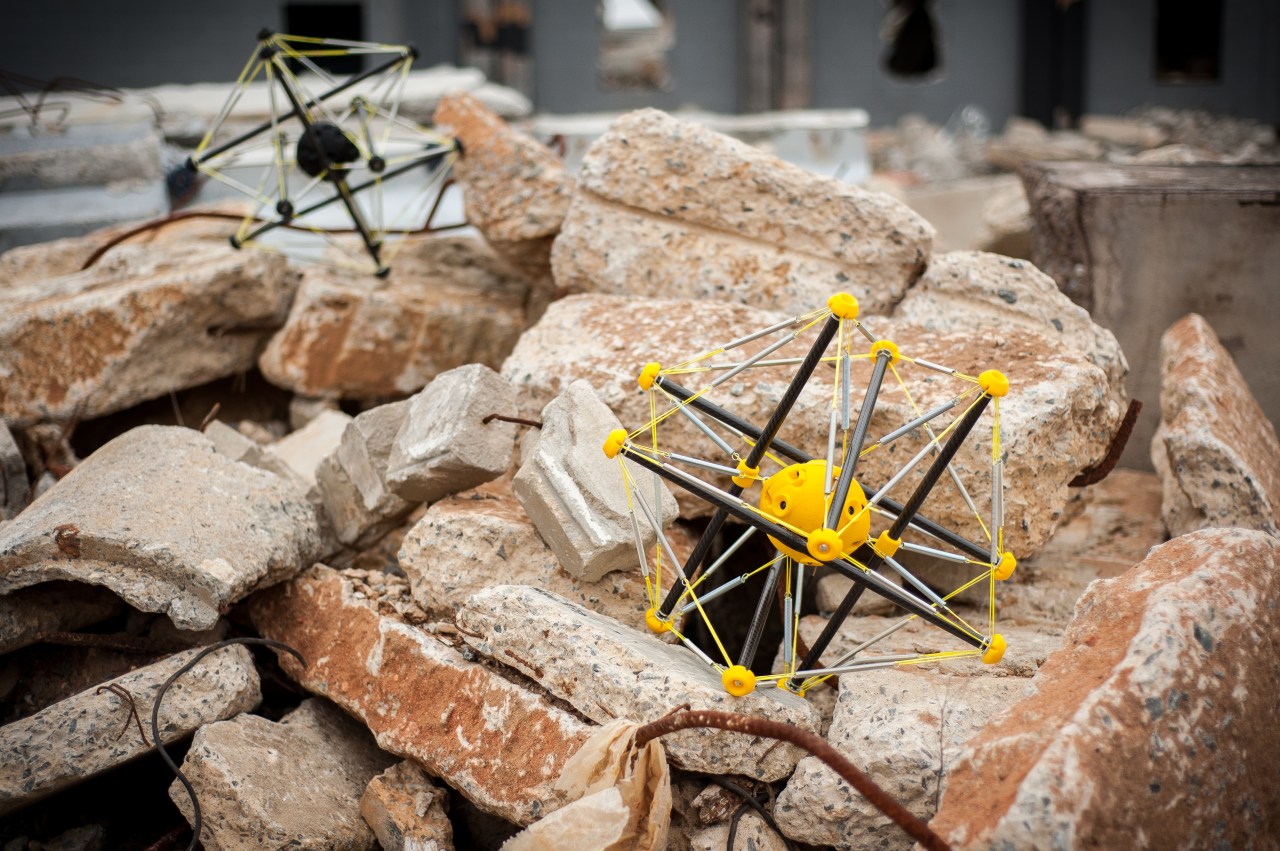
One of the standout features of Squishy Robotics’ creations is their use of tensegrity, a structural approach that combines tension and compression. This design allows the robots to appear delicate while being surprisingly robust. By effectively interplaying rods and cables, the robots can absorb impact upon landing—a crucial factor for deployment from great heights. The design resembles a complex art installation, yet it serves a vital purpose in critical situations.
Adapting NASA’s Vision for Earthly Applications
Initially conceived during a project connected to NASA Ames, the vision for these robots was to ensure safe deployment from spacecraft. However, co-founder Alice Agogino quickly recognized the potential for earthly applications, particularly in responding to emergencies. First responders often face life-threatening risks in areas with uncertain environmental parameters. Squishy Robotics aims to bridge the gap in situational awareness, allowing for safer reconnaissance operations.
- Hazard Identification: The ability to discern threats like toxic gas or downed electrical lines from the air before ground forces deploy.
- Efficient Resource Deployment: Delivering sensors and robotic assistance ahead of human teams enhances safety and effectiveness.
Innovation: More Than Just a Drop
While most robots require a controlled environment for optimal operation, Squishy Robotics has created a versatile solution that thrives under challenging circumstances. The robotic units can withstand drops from heights of up to 600 feet and potentially even higher. This capability opens doors to various applications, from search and rescue missions to hazardous material assessments.
Machine Learning Meets Robotics
Behind the scenes, the deployment of these robots is supported by sophisticated algorithms. To navigate complex terrain—such as squeezing through rocks—the robots utilize machine learning techniques. By evaluating countless motion patterns, they discern the best strategies for effective movement. This semi-autonomous approach allows for real-time decision-making, enhancing efficiency in navigating obstacles.
Expanding Market Potential
Despite being a relatively small startup with modest funding, Squishy Robotics is gearing up for significant growth. Their partnership with UC Berkeley’s Skydeck accelerator has provided essential resources, putting them on the radar of venture capitalists looking for promising expansions in AI and robotics. The unique functionalities of these robots are likely to attract numerous industries, all eager to implement innovative solutions for hazardous situations.
Conclusion: A Bright Future for Aerial Robotics
As Squishy Robotics continues to develop and demonstrate its capabilities, the future of robotics is looking more promising than ever. Their robots are not just technological feats but vital instruments that may one day save lives and protect first responders in perilous environments. With continuous innovation and application refinement, the possibilities for Squishy Robotics are limitless. For more insights, updates, or to collaborate on AI development projects, stay connected with fxis.ai.
At fxis.ai, we believe that such advancements are crucial for the future of AI, as they enable more comprehensive and effective solutions. Our team is continually exploring new methodologies to push the envelope in artificial intelligence, ensuring that our clients benefit from the latest technological innovations.