
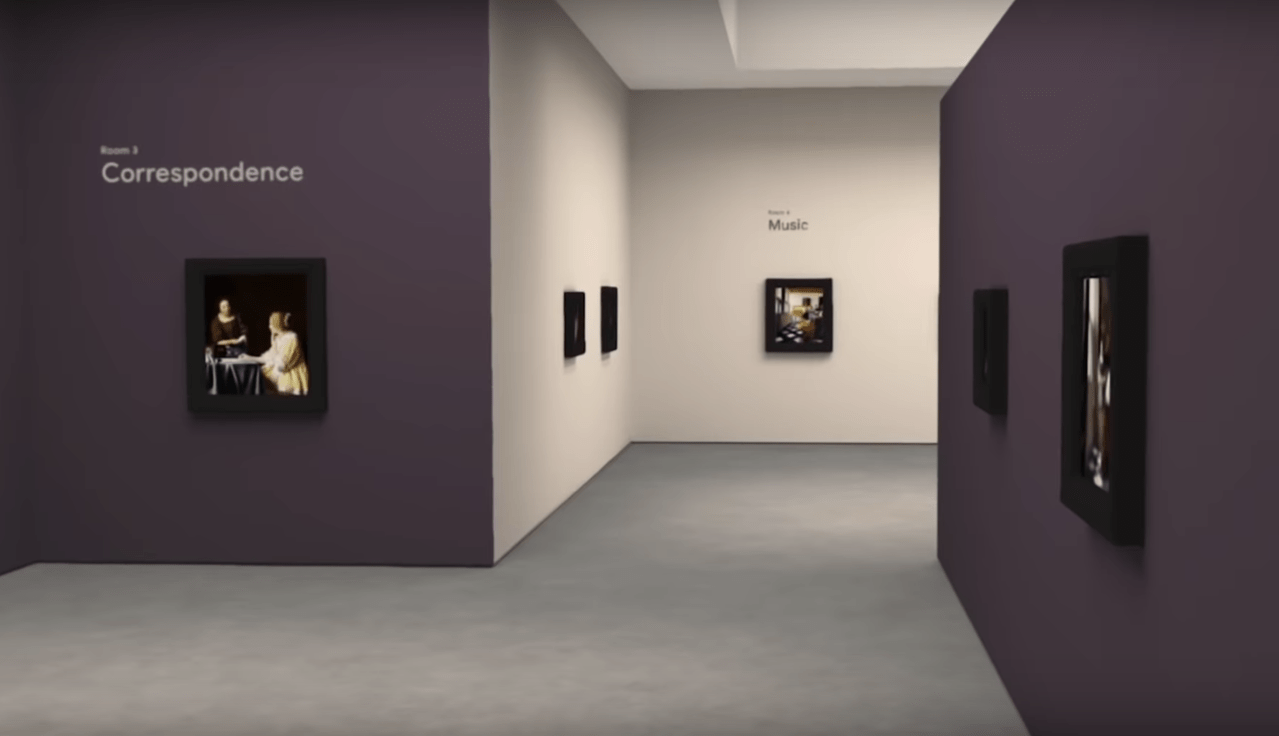
In an era where technology continually blurs the lines between reality and virtual interactions, Google is stepping up to the canvas with its latest venture into art curation. The tech giant’s innovative approach merges art and augmented reality (AR), allowing users to experience masterpieces like never before. With its Arts & Culture app, Google is not only making art more accessible but also helping art enthusiasts truly step inside the world of Dutch master Johannes Vermeer.
Bringing Art to Life: A Deeper Dive
The Arts & Culture app has long been a hidden gem, teeming with features designed to enrich our understanding of art. Now, it has taken a bold leap forward by introducing a feature dubbed the “Pocket Gallery.” This allows users to explore select works of Vermeer in a uniquely immersive setting. Using ARCore or ARKit technology, you can now project a digital gallery right onto your coffee table, providing a tiny version of a gallery experience in the comfort of your own home.
- High-Resolution Captures: The paintings are presented in stunning detail, allowing viewers to appreciate the intricacies in Vermeer’s brushwork.
- Rich Contextual Information: As you explore, pertinent information about each artwork surfaces, deepening your understanding of the artist’s intent and historical significance.
- Interactive Features: Users can pivot around the gallery, creating a sense of real-world exploration as they admire these masterpieces.
The Technology Behind the Innovation
While the idea of creating a miniature gallery using your phone may initially sound impractical, it serves a purpose in bridging the gap between art and technology. The AR feature, although a novelty, encourages users to experiment and engage with art in a manner previously unseen. Google’s commitment to revamping the art exploration experience helps democratize access to culture, making it more widespread and inclusive.
However, it’s worth pondering whether AR is the optimal choice for experiencing art in this way. While the idea of overlaying an art gallery in real-world dimensions is intriguing, some critics suggest that a fully rendered 3D environment might have been a better fit. By creating a dedicated space that users can navigate through VR, Google could have perhaps delivered a richer aesthetic journey.
The Bigger Picture: Why This Matters
As art institutions struggle to keep pace with evolving technology, initiatives like Google’s “Pocket Gallery” serve as a vital reminder of the potential for innovation in the art world. By utilizing cutting-edge technology, Google not only enhances the viewing experience but also fosters appreciation for art in the digital age. The challenge lies in finding the right balance between immersive experiences and traditional art forms.
At fxis.ai, we believe that such advancements are crucial for the future of AI, as they enable more comprehensive and effective solutions. Our team is continually exploring new methodologies to push the envelope in artificial intelligence, ensuring that our clients benefit from the latest technological innovations.
Conclusion: The Future of Art and Technology
Google’s Arts & Culture app is a significant step toward reimagining how we interact with art. By integrating technology into the way we explore and appreciate masterpieces, Google opens up numerous possibilities for the art community and enthusiasts alike. Innovation in this realm will not only foster creativity but also pave the way for future developments in how we collect, curate, and converse about art.
For more insights, updates, or to collaborate on AI development projects, stay connected with fxis.ai.
As we continue to embrace the convergence of art and technology, one can only wonder what breathtaking experiences await us in the not-so-distant future.