
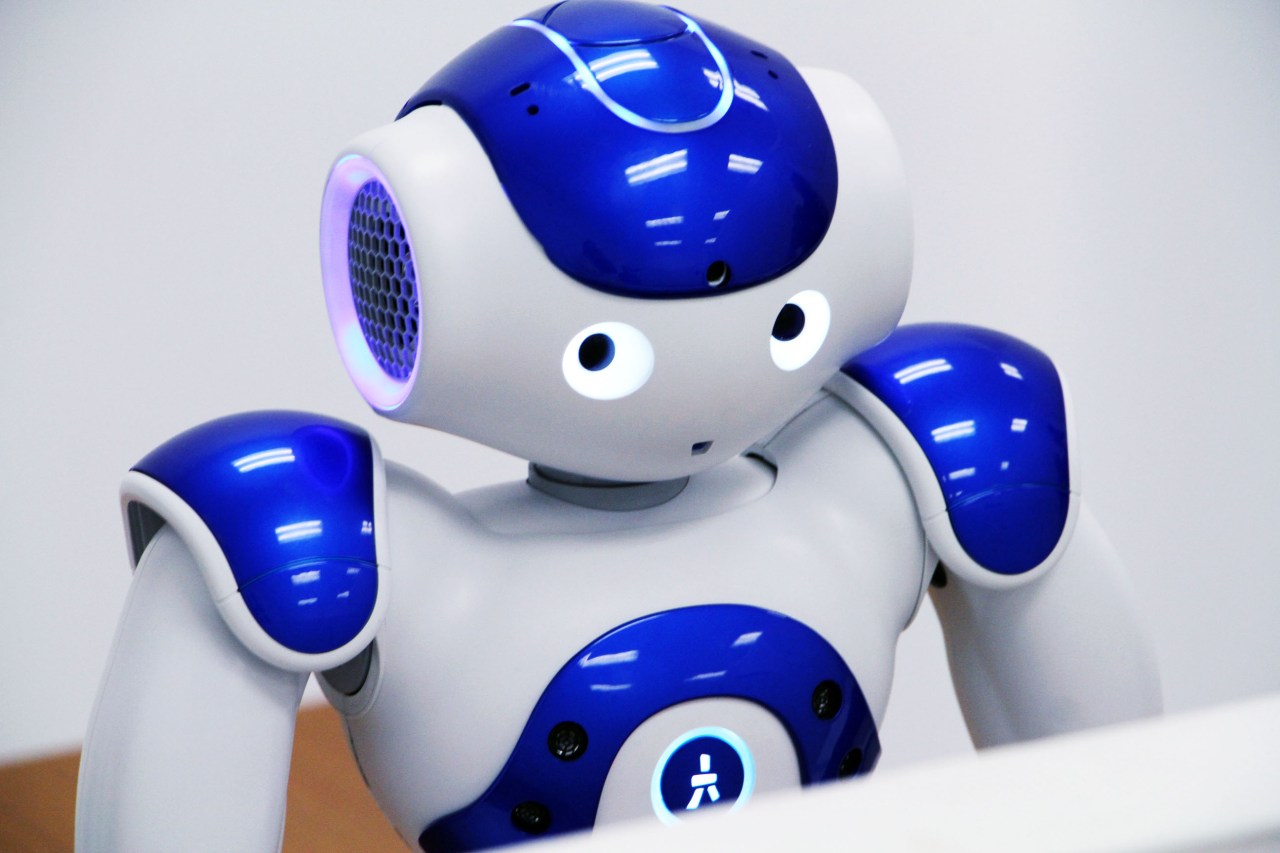
The conversation surrounding trust in human-robot interactions has taken center stage as robotics technology evolves, prompting the need for robots to operate in real-world environments effectively. Beyond the philosophical considerations typically associated with sentient machines, a crucial question arises: Should robots trust us? Tufts University’s Human Robot Interaction Laboratory is dissecting this question, paving the way for a future where trust is embedded in artificial intelligence (AI) systems.
Rethinking Trust in Robotics
Robots are gradually becoming integral in high-stakes scenarios, from life-saving rescue operations to intricate medical procedures. Traditionally, the focus has been on whether humans can trust robots with their safety. However, the pioneering work by Professor Matthias Scheutz and his team at Tufts reverses the narrative by programming robots to assess their level of trust towards human operators. This unique approach allows robots to evaluate the reliability of information and directives they receive.
The Mechanics of Trust
The Tufts lab’s research utilizes simple interactions with robots such as the Nao, which serve as a testing ground for these advanced concepts. For instance, a human operator instructs the robot to perform tasks like walking forward, only for it to learn the context of its situation—recognizing an obstacle ahead. By establishing a binary code of trust, the robots can either accept or decline human instructions based on the trustworthiness of the source. Trust is not a fluctuating entity for these robots but rather an intrinsic quality dictated by their programming.
Building Trust Through Contextual Learning
As human-robot interactions become more complex, the ability for robots to trust their operators extends beyond rudimentary commands. When encountering misleading or false instructions, a reliable means of determining trust becomes vital. For example, in a domestic scenario where a robot is asked to fetch an item or help with household chores, it must ascertain whether the directions come from a trustworthy source. By programming robots with a method to evaluate human trustworthiness, the lab provides a key piece of technology that may prevent potential dangers.
Real-World Applications and Ethical Considerations
The implications of these trust-building measures extend into broader societal contexts, especially in scenarios like self-driving vehicles. Current discussions around autonomous cars often whirl around ethical dilemmas reminiscent of the trolley problem, challenging manufacturers to refine algorithms that dictate how machines prioritize safety. Robots equipped with trust mechanisms could potentially make moral decisions in life-threatening situations by weighing human instruction against safety principles.
One-Shot Learning as a Trust Enhancer
In addition to creating mechanisms for trust assessment, the lab is advancing the education of robots through natural language processing and one-shot learning. Imagine a household robot that can learn how to cook an omelet after a single demonstration. This capability allows for efficient knowledge sharing across robot networks, enhancing decision-making processes and forging a greater sense of trust between machines and humans.
The Future of Trust in Robotics
As we witness an array of groundbreaking innovations in robotics, the challenge of establishing trust with machines will shape the future of human-robot interactions. By programming robots to assess, learn, and trust, we can create safer and more reliable environments where both humans and machines flourish as partners. Researchers, engineers, and ethicists must continue collaborating on these critical concepts to ensure that AI technologies can navigate the complexities of human relationships.
Conclusion: Trusting the Path Ahead
The topic of trust is not merely a byproduct of technological advancement; it’s an essential framework through which we can envision the future of human-robot collaboration. The research from Tufts University heralds a new era in which robots are not just obedient servants but intelligent entities capable of discerning whom to trust. Such developments assure a more nuanced synergy between humans and machines, leading to advancements that could redefine how we live and work together.
At fxis.ai, we believe that such advancements are crucial for the future of AI, as they enable more comprehensive and effective solutions. Our team is continually exploring new methodologies to push the envelope in artificial intelligence, ensuring that our clients benefit from the latest technological innovations.
For more insights, updates, or to collaborate on AI development projects, stay connected with fxis.ai.