
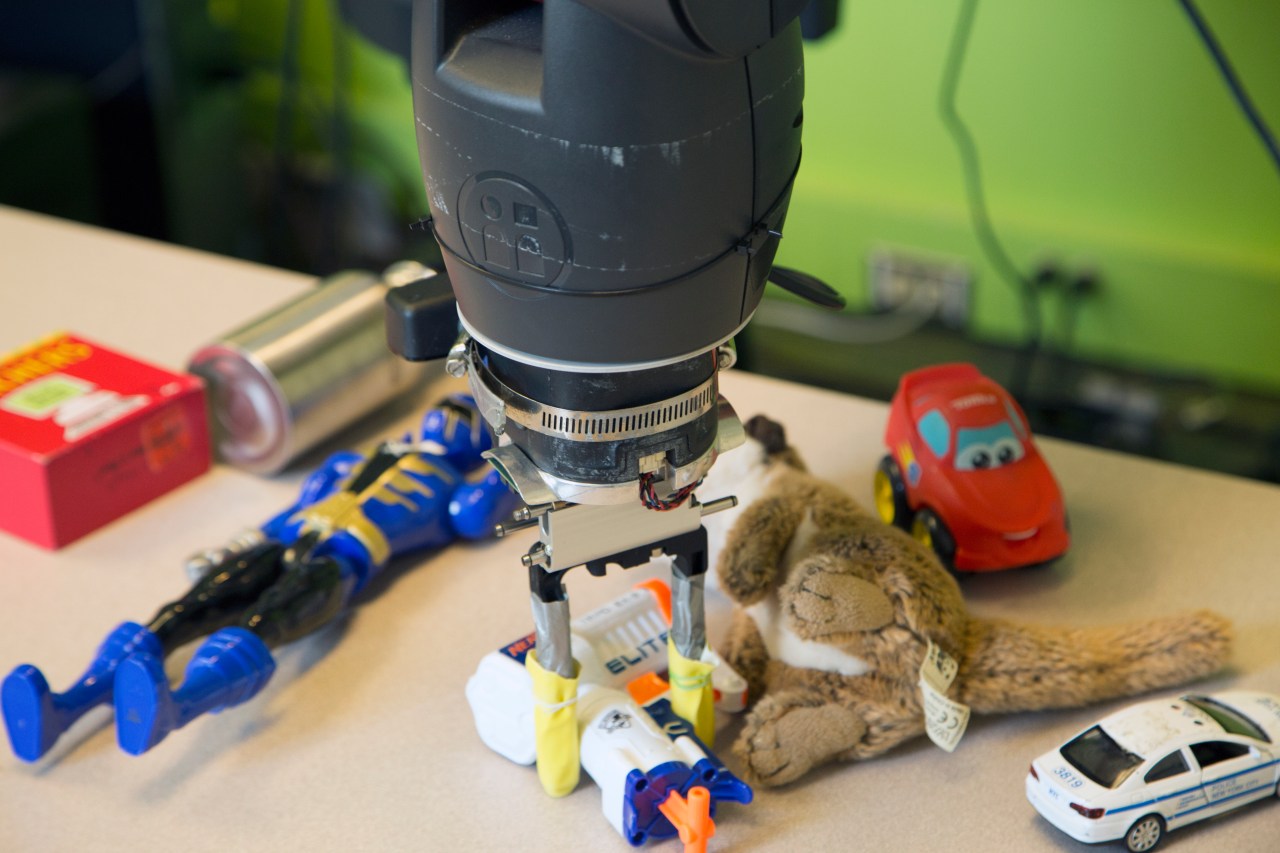
Imagine a world where robots possess not only intelligence but also the capacity to learn about their environment in a tactile, hands-on way, much like how infants explore their surroundings. This transformation is underway as innovative researchers embark on the journey of teaching robots to learn through touch. At the forefront of this exploration is Baxter, a robot designed to interact with objects, and it’s learning through the process of trial and error, similar to how humans do.
The Genesis of Tactile Learning
Recent advancements in robotics, especially at esteemed institutions like Carnegie Mellon University, reveal a significant shift from traditional visual learning to a more comprehensive approach that includes tactile interaction. The curious robot, Baxter, represents this groundbreaking initiative where physical interaction with various objects leads to learning. With thousands of attempted grasps over the course of days, Baxter engages in a relentless but fascinating quest to understand the world around it.
The Learning Process: A Closer Look
The methodology employed by the Carnegie Mellon team is notable for its innovative spirit. The process involves:
- Trial and Error: Baxter starts with random grasps of different objects, allowing it to collect feedback from each interaction.
- Tactile Feedback: The robot gathers information based on the touch and texture of objects to enhance its learning experience.
- Visual Representation: By associating tactile data with visual inputs, Baxter can better identify objects and their characteristics.
This dynamic interaction mirrors the way babies explore their universe—pushing, poking, and examining objects until they form a distinct understanding. Baxter’s ability to adapt its actions based on the feedback it receives embodies a significant advancement in artificial intelligence.
From Passive Observation to Active Engagement
The immense difference between passive data collection and active engagement cannot be overstated. Instead of merely processing labeled images, Baxter learns through interaction, providing it with a richer and more nuanced understanding of its environment. According to lab assistant Dhiraj Gandhi, this convergence of tactile actions and visual data enhances identification accuracy, as Baxter develops new representations for complex objects it encounters.
A Learning Milestone: The Kitten Experiment
To illustrate the value of touch in learning, Gandhi refers to a classic study involving kittens. One kitten engaged with its environment normally, while the other only observed. The first was able to learn and play, while the second, deprived of tactile experiences, failed to develop essential skills. This poignant analogy underscores how interaction is key to learning—not just for kittens, but for robots as well.
Looking to the Future: Real-World Applications
Though the research around Baxter is still in its infancy, the implications for real-world applications are astounding. Imagine robots capable of sorting materials efficiently, a concept already explored by organizations like ZenRobotics where the combination of touch and vision could revolutionize recycling and waste management. However, as Gandhi notes, deploying such systems in real-life scenarios presents challenges that they are only beginning to decode.
Conclusion: The Road Ahead
The innovative research being carried out with tactile learning in robotics opens up a realm of possibilities for future artificial intelligence applications. With continued exploration and development, robots like Baxter may soon become adept at navigating complex tasks through experiential learning, much like their human counterparts. The journey of teaching robots to learn about their world through touch highlights the importance of interactive learning and sets the stage for exciting advancements ahead.
At fxis.ai, we believe that such advancements are crucial for the future of AI, as they enable more comprehensive and effective solutions. Our team is continually exploring new methodologies to push the envelope in artificial intelligence, ensuring that our clients benefit from the latest technological innovations. For more insights, updates, or to collaborate on AI development projects, stay connected with fxis.ai.