
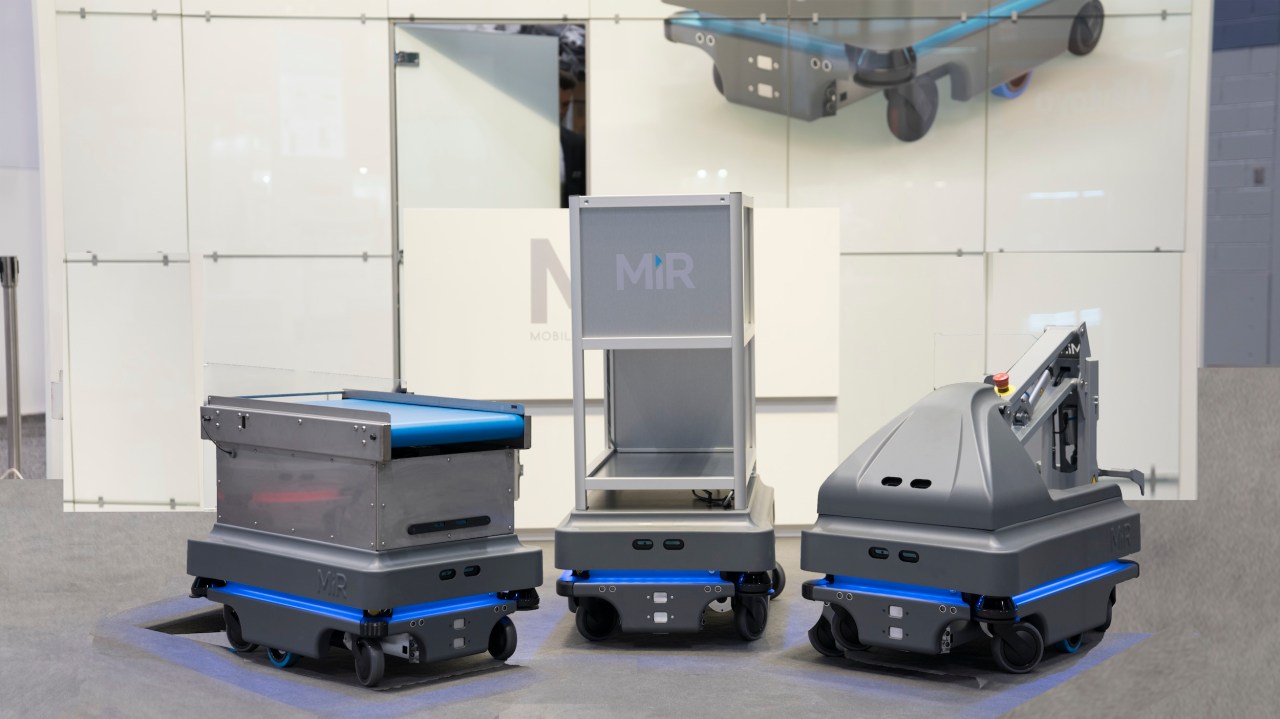
In a landscape increasingly dominated by automation and robotics, strategic acquisitions serve as a powerful catalyst for growth and innovation. Recently, Teradyne, a prominent player in the automated testing equipment industry, made headlines with its acquisition of the Danish robotics company, Mobile Industrial Robots (MiR), for a staggering $272 million. This move is not only reflective of Teradyne’s ambition but also indicative of the broader trends in the robotics sector. Let’s explore the implications and future of this merger.
A Glimpse into MiR’s Success
Founded in 2013, MiR has carved a niche in the warehouse robotics segment, focusing on autonomous mobile robots capable of lifting and transporting items ranging from boxes to pallets. The success of their flagship product, the MiR200, which witnessed a threefold revenue increase in 2017, highlights the growing demand for efficient and intelligent logistics solutions. MiR’s robots resemble the endearing droids from “Star Wars,” but their operational prowess is decidedly serious, aiming to enhance warehouse efficiency significantly.
Why Teradyne Chose MiR
The acquisition aligns seamlessly with Teradyne’s previous investment in the robotics space, particularly its purchase of Universal Robots in 2015 for $350 million. Teradyne operates in the realm of automated testing where efficiency is king. By integrating MiR’s advanced robotics, Teradyne not only enhances its product offerings but also improves the overall speed and flexibility of testing processes across various industries. This focus on speed translates to faster shipping and service, a critical factor in today’s competitive landscape.
Revolutionizing Robot Human Interaction
One of the standout features of both MiR and Universal Robots is their approach to human-robot collaboration. Traditionally, programming robots required skilled specialists, a limitation that did not scale well as the market for automation expanded. However, both companies have embraced more user-friendly systems, making it easier for non-specialists to train and operate robots efficiently. This shift is crucial as businesses look to integrate automation solutions without the overhead costs of extensively trained personnel.
Global Expansion Plans
Following the acquisition, MiR’s leadership is enthusiastic about scaling its successful technology internationally. Niels Jul Jacobsen, MiR’s Chief Strategy Officer and founder, expressed a desire to make their mobile robots a global phenomenon, leveraging Teradyne’s resources and market presence to bolster this ambition. With backing from a major player like Teradyne, MiR is poised for rapid and sustainable growth.
Conclusion: The Future of Robotics and Automation
The acquisition of MiR by Teradyne signifies a pivotal moment in the evolution of robotics in manufacturing and logistics. As companies increasingly seek methods to enhance productivity and streamline operations, investments in robotics will no doubt continue to grow. Teradyne’s strategy reflects a dedication not just to keeping pace with industry trends, but actively shaping them. This merger exemplifies how collaborative efforts can drive technological advancements that benefit various sectors, paving the way for a future where automation is both commonplace and invaluable.
At **[fxis.ai](https://fxis.ai/edu)**, we believe that such advancements are crucial for the future of AI, as they enable more comprehensive and effective solutions. Our team is continually exploring new methodologies to push the envelope in artificial intelligence, ensuring that our clients benefit from the latest technological innovations.
For more insights, updates, or to collaborate on AI development projects, stay connected with **[fxis.ai](https://fxis.ai/edu)**.