
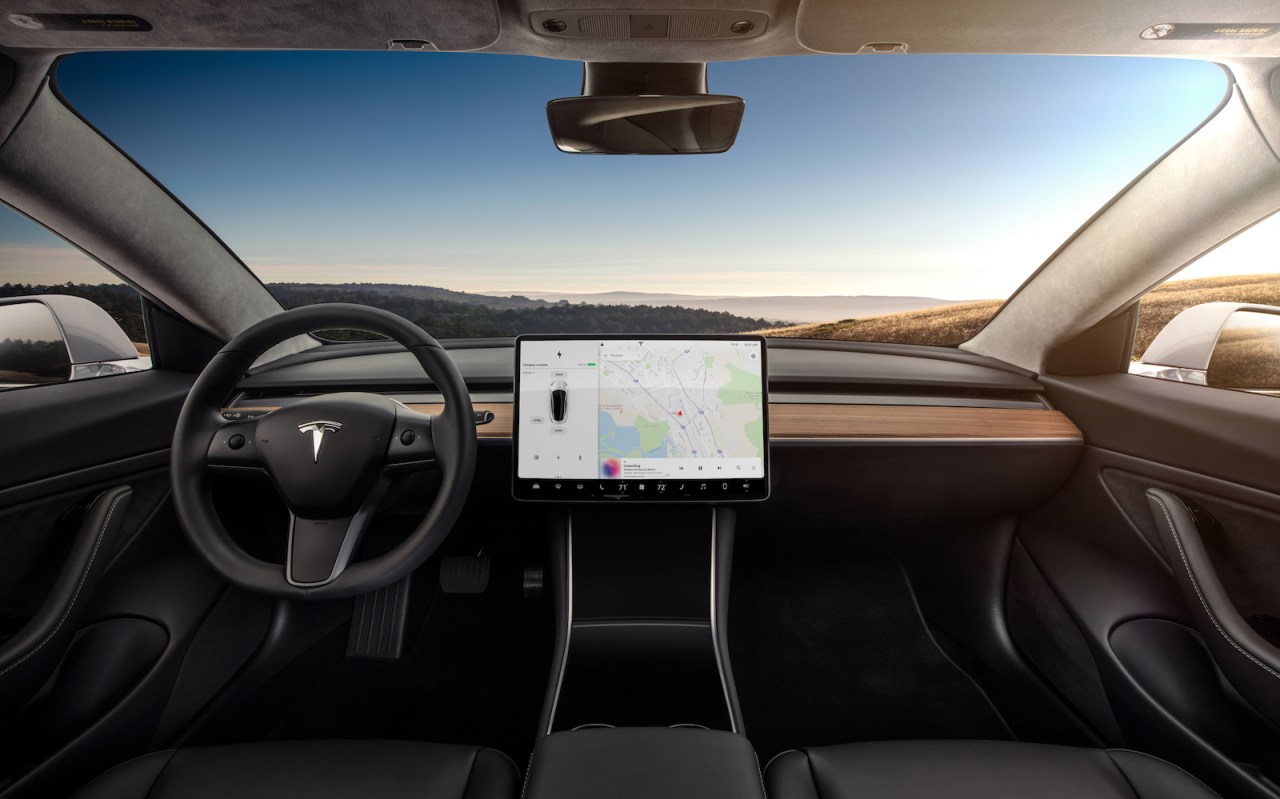
Tesla has been at the forefront of electric vehicle innovation, consistently pushing the boundaries of what’s possible in autonomous driving. In a bold move, the company is now working on developing its own artificial intelligence (AI) chip, a pivotal step towards further enhancing its self-driving technology. This strategic initiative, reportedly in partnership with AMD, is set to transform Tesla’s approach to AI and reduce its dependency on third-party hardware.
The Rationale Behind In-House Chip Development
- Control Over Supply Chain: By designing its own AI chip, Tesla will gain significant control over its supply chain, reducing reliance on external vendors like Nvidia, which has powered the current Autopilot systems with its GPUs. Such autonomy allows for better procurement strategies and flexibility in production, especially in an industry where timing is crucial.
- Enhanced Efficiency: A custom chip specifically tailored for self-driving applications can optimize performance. This alignment between specialized hardware and software means Tesla could experience better integration, resulting in faster processing speeds and lower energy consumption.
- Fostering Innovation: Tesla’s push to innovate aligns with its mission to accelerate the world’s transition to sustainable energy. By internalizing chip development, Tesla can cultivate technologies that are finely attuned to the nuances of its vehicles and the challenges of autonomous driving.
The Role of AMD and Jim Keller
Tesla’s collaboration with AMD is a significant factor in this endeavor. AMD is renowned for its cutting-edge semiconductor technology, and its expertise will undoubtedly bolster Tesla’s efforts in chip development. Their partnership will allow Tesla to harness advanced methodologies in chip design and production.
Another pivotal figure in this project is Jim Keller, Tesla’s VP of Autopilot. With a storied background in chip design including influential roles at AMD and Apple, Keller’s vision could prove instrumental in pushing Tesla’s ambitions forward. His experience enables a seamless integration of hardware and software that is crucial in optimizing AI performance for driving.
Future Implications and Innovation
Tesla has consistently iterated its technology, sidestepping the conventional model year updates that characterize many legacy automakers. With claims that current vehicles possess the requisite hardware for full self-driving capabilities via a software upgrade, the development of this custom chip is another step in maintaining Tesla’s competitive edge.
As autonomous driving continues to evolve, having a dedicated chip designed solely for this purpose can lead to breakthroughs in deep learning algorithms and processing speed, allowing for superior real-time decision-making. This evolution not only stands to benefit Tesla’s self-driving features but could also set new benchmarks in the automotive industry.
Conclusion: A New Frontier for Tesla
Tesla’s pursuit of its own self-driving AI chip represents a significant shift in the automotive landscape. Through strategic partnerships and advanced technological innovation, the company is poised to enhance its autonomous driving capabilities while solidifying its production ecosystem. As the automotive world watches closely, the outcomes of this ambitious venture could well define the future of self-driving not just for Tesla, but for the entire industry.
At fxis.ai, we believe that such advancements are crucial for the future of AI as they enable more comprehensive and effective solutions. Our team is continually exploring new methodologies to push the envelope in artificial intelligence, ensuring that our clients benefit from the latest technological innovations. For more insights, updates, or to collaborate on AI development projects, stay connected with fxis.ai.