
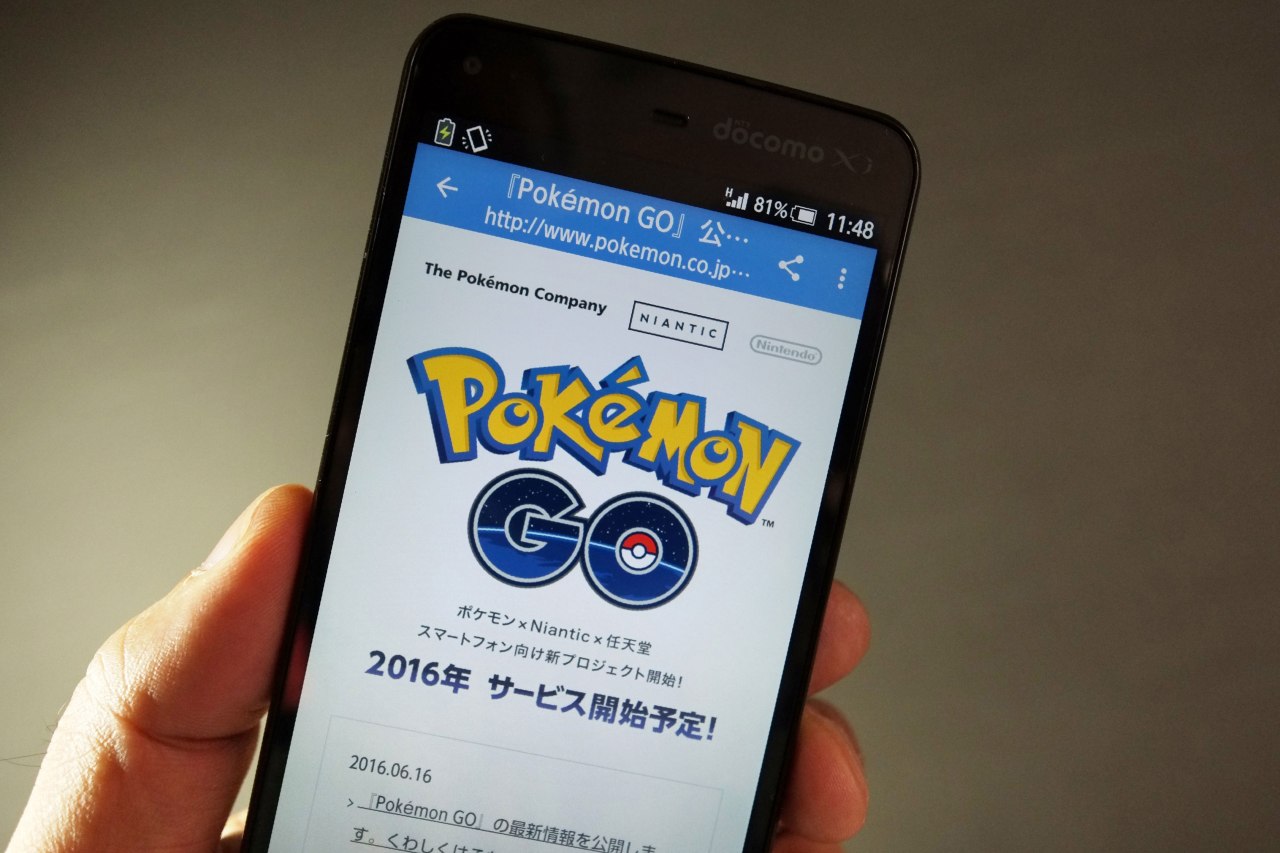
The video game industry has witnessed countless phenomenons, but few have generated the kind of hype and excitement that surrounds Pokémon Go. Come July 2016, the world saw a surge in interest and valuations in companies like Nintendo, as they rode the wave of this augmented reality game that had captivated players all around the globe. As the game prepared to finally take its first steps in Japan, the birthplace of Pokémon, a new chapter was poised to unfold—one filled with potential and landmark partnerships. Let’s dive into the details of this much-awaited launch.
A Global Phenomenon
Since its debut, Pokémon Go had taken the world by storm, ranging from the streets of New York to the parks of Paris. Available in over 30 countries, this augmented reality experience allowed players to catch creatures that were previously confined to their screens. Yet, Japan was conspicuously absent from this global rollout, much to the chagrin of local fans—the very heart of the Pokémon franchise.
The anticipation was palpable. Niantic, the brains behind the operation, had taken a cautious approach to the launch in Japan. Gianna, a Pokémon enthusiast from Tokyo, expressed her excitement, “I’ve waited so long for this! The game is as much about exploration as it is about catching Pokémon, and I’m eager to see how it feels in familiar surroundings.”
Robust Infrastructure for Unmatched Demand
Niantic CEO John Hanke addressed concerns about the game’s delayed launch in Japan, attributing it to the need for a robust server infrastructure. With millions of players likely to log in simultaneously upon launch, it became imperative for the company to ensure a seamless experience. Hanke’s foresight reflected a deep understanding of the market, projecting that a stable launch could be transformative, both for players and for business.
A Historic Sponsorship
While Pokémon Go’s launch in Japan marked another milestone, the introduction of official partner sponsorships was equally historic. For the first time, brands would have a chance to feature their locations as integral parts of the Pokémon experience. McDonald’s would step into this role, turning over 3,000 fast-food spots across Japan into gyms—places where players could train or battle their Pokémon.
Analysts speculated that this partnership could lead to significant foot traffic and increased sales for McDonald’s. “It’s not just about playing the game, but also about enhancing the real-world experience,” notes tech expert Lisa Nakamura. “Imagine grabbing a Happy Meal while battling your favorite Pokémon—it’s a marketing win-win.”
The Future of Augmented Reality in Gaming
As Pokémon Go brought traditional video game concepts into the real world, it paved the way for future developments in augmented reality (AR). Many businesses and brands began exploring how they could leverage AR to create engaging experiences for their customers, setting the stage for a new era of interactive marketing.
In addition to Japan, other Asian countries were poised for launches in the near future, promising to keep the Pokémon Go spirit alive as it expanded its reach. The collaboration with McDonald’s would likely serve as a blueprint for future sponsorship opportunities, blurring the lines between gaming and real-world commerce.
Conclusion: A New Era for Pokémon Go
With its launch scheduled for mid-July 2016, the excitement surrounding Pokémon Go in Japan marked a significant shift not only in a gaming trend but also in how companies approach brand collaborations. As fans geared up for Pokémania, the success of these partnerships would determine if Pokémon Go could maintain its momentum and continue to innovate in the gaming landscape.
For more insights, updates, or to collaborate on AI development projects, stay connected with fxis.ai.
At fxis.ai, we believe that such advancements are crucial for the future of AI, as they enable more comprehensive and effective solutions. Our team is continually exploring new methodologies to push the envelope in artificial intelligence, ensuring that our clients benefit from the latest technological innovations.