
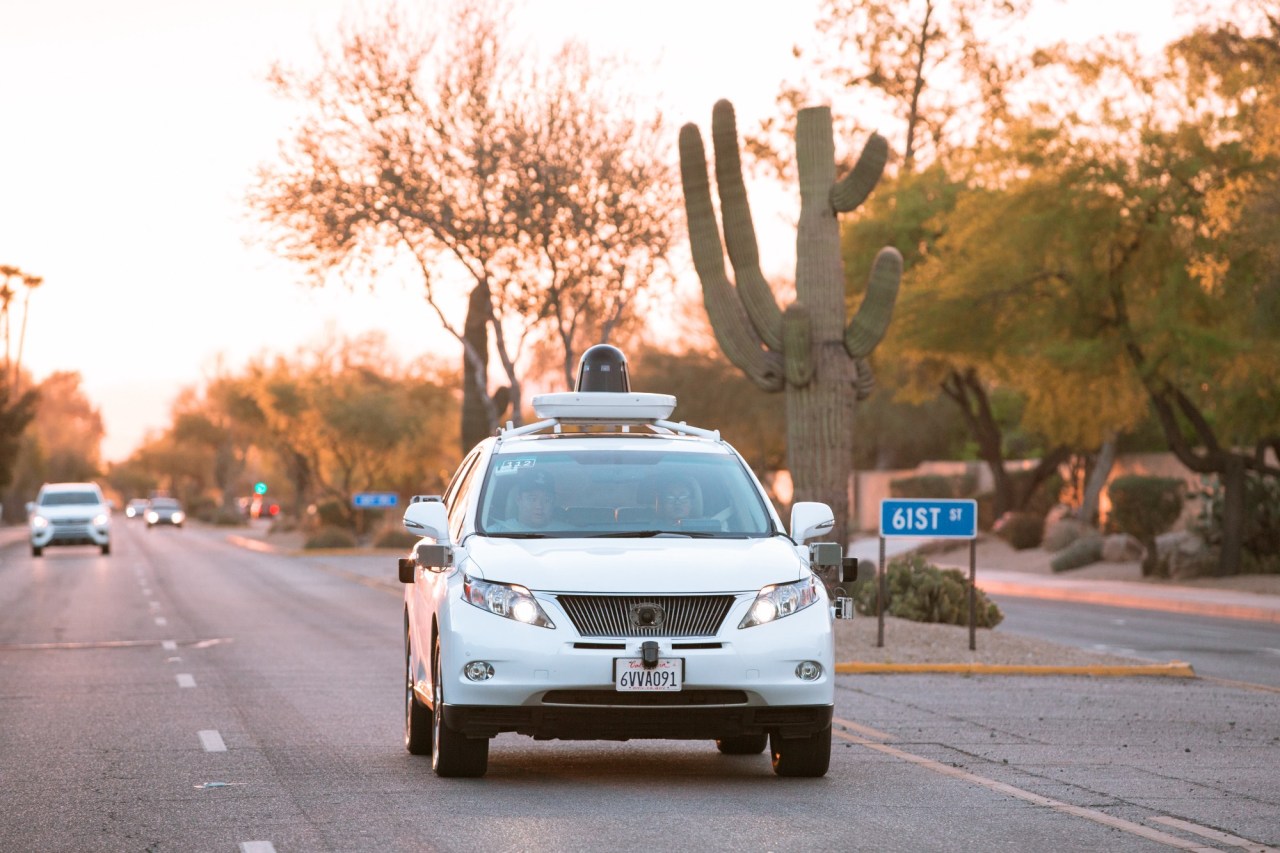
As the landscape of autonomous driving continues to evolve, tech giants are pushing boundaries to ensure vehicles not only perform optimally but also offer a seamless experience for passengers. Google, a pioneer in the self-driving car domain, has recently shed light on one of the fundamental maneuvers that its autonomous vehicles excel at: the three-point turn. This seemingly simple task is a showcase of the advanced technology at play beneath the surface. Let’s delve deeper into how Google’s self-driving cars navigate this challenge with finesse and sophistication.
More than Just Statistics
In its latest update, Google reported staggering figures, boasting over 2,230,175 miles driven autonomously. While the numbers are impressive, what’s even more fascinating is the innovation behind those miles. A major component of their test routines involves executing thousands of three-point turns—a task that can make or break the confidence of a driver, especially in congested urban environments.
The Technical Advantage of Autonomous Vehicles
What makes Google’s approach stand out is the inherent advantages that self-driving technology holds over human drivers. With a full 360-degree wraparound vision and precise distance measurement systems, these vehicles can assess their surroundings with unparalleled accuracy. This capability allows them not only to perform traditional three-point turns but also to explore alternative maneuvers that can circumvent obstacles more efficiently. However, this efficiency presents a dilemma: while robotic optimizations might offer a path of least resistance, they may fail to provide the comfort and familiarity expected by human passengers.
Pioneering Comfort in Automation
Understanding the importance of user experience (UX) in the realm of autonomous vehicles, Google has implemented an interesting strategy. The company has trained its fleet to perform three-point turns in ways that feel natural to those on board, enhancing passenger comfort. This approach emphasizes the significance of familiar driving behaviors, making the experience less jarring and more intuitive for human passengers.
- Regular Execution: Google’s test vehicles perform approximately 1,000 multi-point turns on actual city roads each week, honing their skills in real-world conditions.
- Safety First: With safety as a cornerstone of their testing, Google meticulously reports any accidents involving their cars. A recent incident had its self-driving car lightly tapped while traveling at a modest speed, underscoring a commitment to transparency and accountability.
The Symbiosis of Technology and UX
The integration of robust UX considerations alongside technological challenges is a strategic move by Google. As autonomous vehicles inch closer to becoming a mainstream reality, their acceptance hinges not only on advanced safety measures but also on how naturally they adapt to human expectations. The future of self-driving cars relies on building trust and familiarity in every interaction. Therefore, Google’s focus on making technical feats appear user-friendly is an important step toward widespread acceptance.
Conclusion: The Road Ahead
As the world watches with bated breath, Google’s ventures into autonomous driving illustrate a narrative of innovation and foresight. The ability to master nuanced maneuvers like the three-point turn not only showcases technological prowess but also emphasizes the importance of a comfortable riding experience. At fxis.ai, we believe that such advancements are crucial for the future of AI, as they enable more comprehensive and effective solutions. Our team is continually exploring new methodologies to push the envelope in artificial intelligence, ensuring that our clients benefit from the latest technological innovations. For more insights, updates, or to collaborate on AI development projects, stay connected with fxis.ai.