
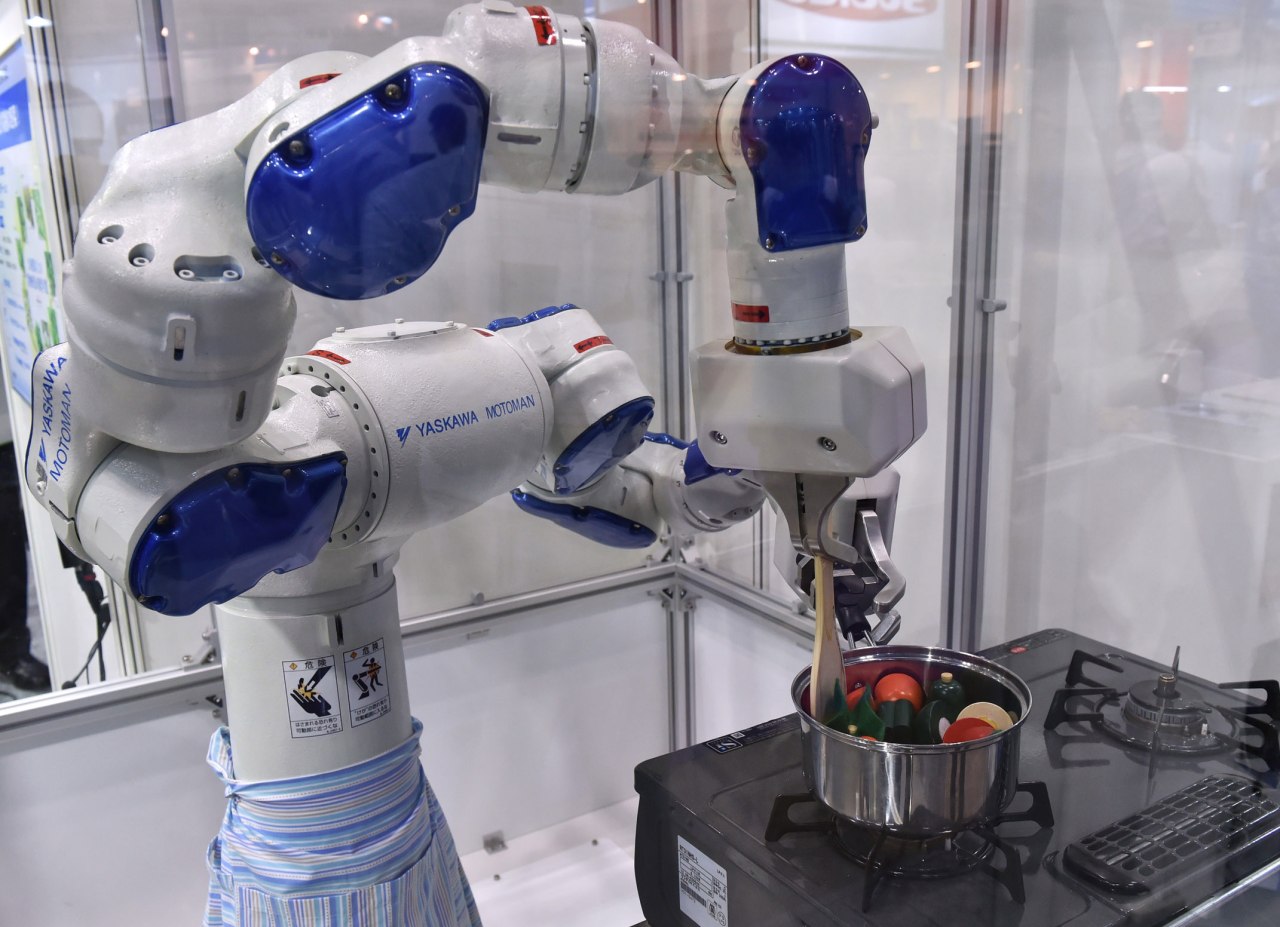
Automation is a term that resonates increasingly in our modern world, where technology is not just enhancing efficiency but also redefining career landscapes. Imagine scrolling through your social media feed and reading a challenge: name one job that won’t be automated in the future. It’s a daunting task, isn’t it? The truth is, as we advance into a tech-centric era, the questions around the future roles of humans become more complex. This blog explores the various facets of automation, particularly focusing on its implications for problem-solving roles in industries such as legal and healthcare.
The Mechanics of Automation
At the heart of automation lies a seemingly intuitive process: replace human tasks with machines when it becomes economically advantageous. Jobs characterized by repetitive tasks are among the first to be affected. For instance, look at the case of Foxconn—a manufacturing giant that has practically halved its workforce through robotic ecosystems. What previously required over a hundred thousand employees is now efficiently handled by machines, giving us a glimpse into a potentially job-scarce future.
The Technological Tug of War
As industries evolve, it’s vital to consider how technology encroaches upon various job roles. Take the fast food sector, where kiosks replace cashiers, and robots like Momentum Machines churn out burgers at record speed. But this leads to a compelling question: Are we creating a tech utopia where all human barriers are broken down, or are we merely replacing these barriers with new challenges?
Beyond Mundane Tasks: The Problem-Solver’s Conundrum
While monotonous jobs are the low-hanging fruit for automation, the more nuanced roles that require critical thinking and creativity feel somewhat insulated—at least for now. In the legal sector, AI systems like ROSS are making waves, efficiently decoding entire bodies of law and delivering concise legal research. Yet this advancement prompts critical questions: What happens to paralegals and junior lawyers when a machine can conduct research in a fraction of the time?
- Over 270,000 paralegals exist in the U.S., earning around $50,000 a year.
- ROSS, an AI legal expert, aims to streamline the research process, making legal professionals question their necessity.
- DoNotPay, an AI chatbot, challenges conventional wisdom by providing legal advice for free, potentially attracting a niche market previously overlooked.
As the legal profession morphs in response to these innovations, how do we gauge the repercussions? Automation may not eliminate these roles but reshape them, pushing professionals to focus on more qualitative aspects of the law.
Healthcare: Where Precision Meets Compassion
The medical field, much like the legal one, stands at a crossroads of innovation. Research indicates that AI could drastically diminish diagnostic errors, which currently plague the healthcare system. Misdiagnoses affect millions, but technologies that harness machine learning may offer more reliable outcomes. However, the role of physicians remains essential. The consensus among researchers is to merge human intuition with machine efficiency for optimal results.
The Sociocultural Impact of Automation
Perhaps the most profound concerns surrounding automation relate to its societal implications. As we step forward, the fear of widespread job displacement becomes a palpable reality. Rather than obliterating roles outright, the challenge is to recalibrate what human workers can offer. Restructuring jobs may create conditions where humans and machines coexist in ways we have yet to imagine.
At **[fxis.ai](https://fxis.ai/edu)**, we believe that such advancements are crucial for the future of AI, as they enable more comprehensive and effective solutions. Our team is continually exploring new methodologies to push the envelope in artificial intelligence, ensuring that our clients benefit from the latest technological innovations.
Conclusion: What Lies Ahead
The premise that every job may eventually be automated is alarming yet thought-provoking. As we stand at the intersection of technology and labor, we need to ask ourselves—how can we prepare for an automated tomorrow? Embracing innovation does not mean relinquishing human reign; rather, it is about synergizing human creativity with machine efficiency for a balanced future. The journey toward automation might be fraught with challenges, but with proactive adaptation, we can harness the power of AI while preserving the essence of what makes us human.
For more insights, updates, or to collaborate on AI development projects, stay connected with **[fxis.ai](https://fxis.ai/edu)**.