
Welcome to the era where every aspect of our lives, from how we work to how we learn, is undergoing radical transformation. The recent discussions at the World Economic Forum centered around “The Fourth Industrial Revolution” have shed light on the complexities of disruption in today’s tech landscape. While it seems like every corporation is touting their latest innovation as a ground-breaking solution, a deeper look reveals that true disruption is often lost amidst the noise of marketing hype and corporate jargon.
Understanding Disruption
At its core, disruption entails the interruption of established processes, leading to the creation of innovative solutions that redefine the norm. However, the Merriam Webster definition of disruption vividly describes its potential impact: it can cause existing systems to falter and create uncertainty in various domains.
A Historical Perspective
The theme of disruption is hardly a novel notion. Visionaries like Peter Diamandis and Ray Kurzweil have been at the forefront of discussions on the paradigm shifts that arise from technological advances. Their vision has been echoed by entrepreneurs and thought leaders like Marc Andreessen, who famously stated that “software is eating the world.” Yet, what was once a grassroots movement of ingenious start-ups transforming industries has become a playground for large corporations eager to capitalize on the disruption narrative.
The Corporate Co-optation of Disruption
Today, mainstay companies such as SAP, IBM, and various global consulting firms are rushing to package and sell two types of disruption: those that possess genuine innovation and those that are merely iteration cloaked in the guise of novel branding. These firms recognize that their clients are in a state of panic brought on by the rapid changes in consumer behavior and technology. Instead of offering authentic groundbreaking solutions, they often propose updated versions of legacy systems disguised as innovative technology.
- IBM’s Watson: Often touted as a revolutionary artificial intelligence, Watson surprisingly relies on algorithms that have been around for decades. While it certainly represents messaging and marketing innovation, true tech giants like Google’s DeepMind are pushing the envelope far beyond.
- SAP HANA: While lauded as cutting-edge, it echoes previous database technologies, leaving many to wonder if it’s more of a rehash than a revolution.
The Real Disruption: Start-ups Leading the Change
As large corporations cling to their legacies, it is essential to recognize the fervor and agility displayed by start-ups that are genuinely innovating in the tech landscape. These disruptors represent the cutting edge of technology and have the potential to transform fundamental systems like education, transportation, and energy management.
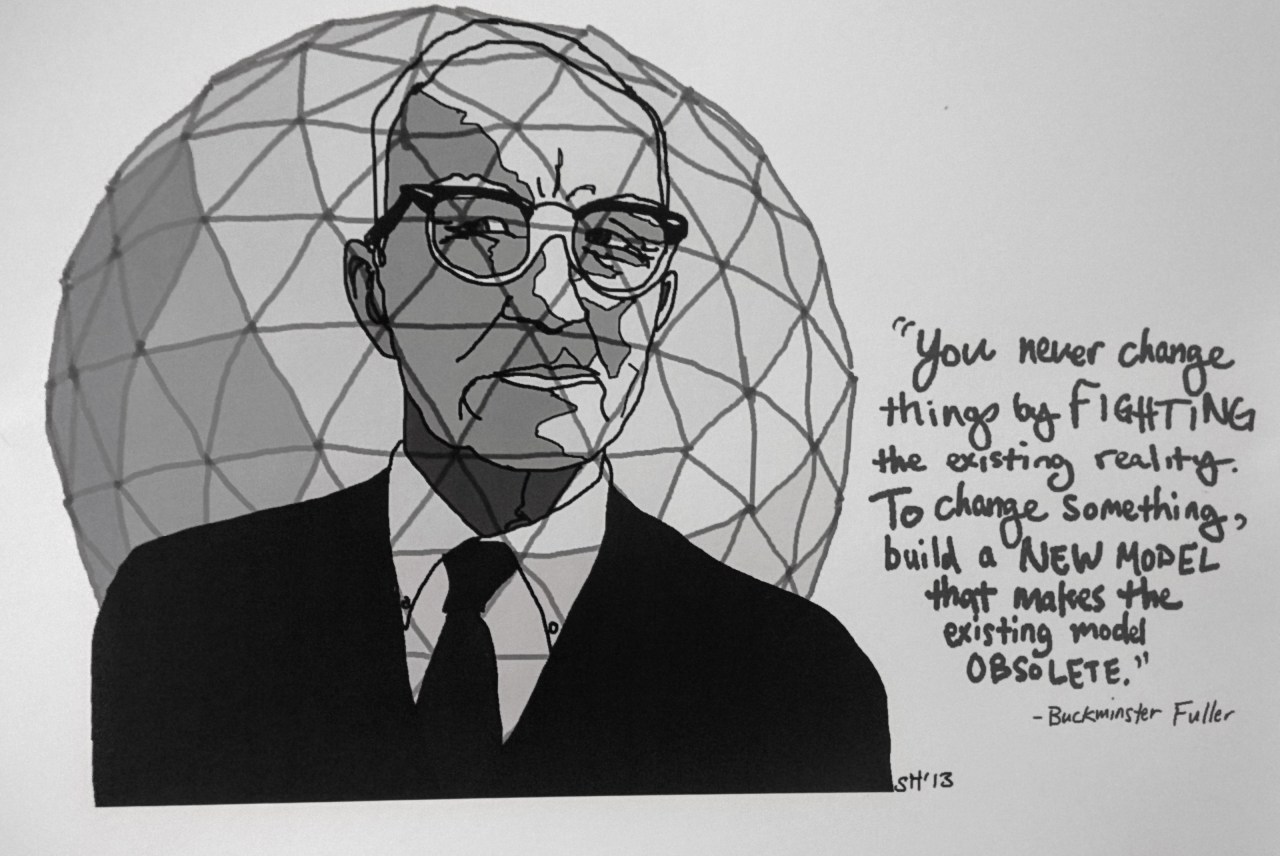
Real revolutionary change requires us to step away from the comforts of past technologies that merely replicate old models. In this regard, we must remember the words of inventor Buckminster Fuller: “We need to build new models that make the existing models obsolete.” Embracing that philosophy could open doors to a new era of innovative solutions that will drive society forward.
A Call to Action
As consumers and businesses, our ability to discern authentic disruption from mere repackaging will determine the trajectory of several crucial areas in our lives. The challenge lies not only in recognizing potential risks but also in recognizing and leveraging the opportunities that real innovators present. The discourse surrounding disruption at forums like Davos is pivotal to this understanding and subsequent action.
At fxis.ai, we believe that such advancements are crucial for the future of AI, as they enable more comprehensive and effective solutions. Our team is continually exploring new methodologies to push the envelope in artificial intelligence, ensuring that our clients benefit from the latest technological innovations.
Conclusion
Disruption is not merely a buzzword; it’s an essential facet of our technological evolution. As we navigate through a sea of corporate messaging, we need to champion the ideas and innovations that can truly bring about lasting change. Now more than ever, investing in real disruption, particularly through passionate start-ups, can revolutionize traditional systems and drive us towards a brighter future.
For more insights, updates, or to collaborate on AI development projects, stay connected with fxis.ai.