
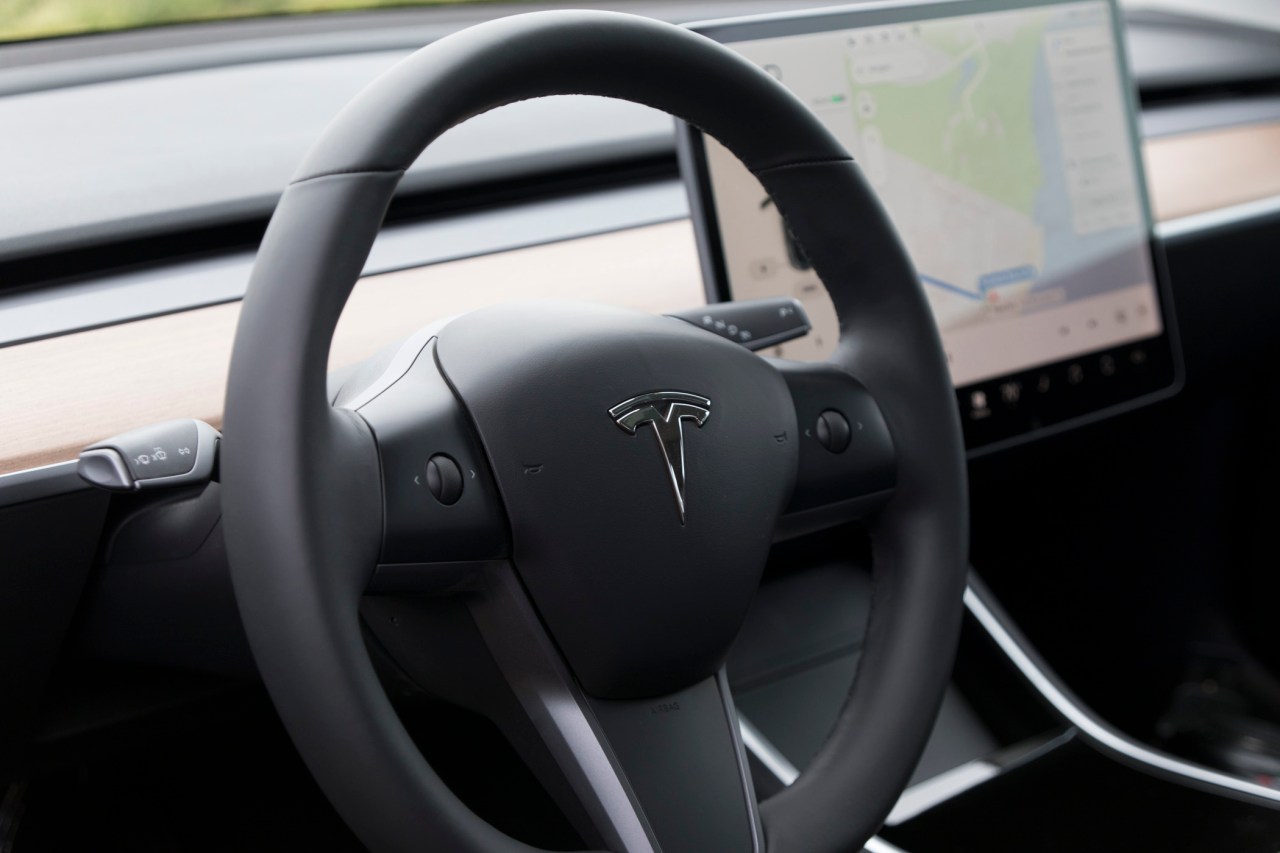
The world of technology is relentless, never pausing for breath, and the industry is often defined by its constant evolutions. A significant shift recently occurred at Tesla with the departure of Jim Keller, the Vice President of Autopilot and low-voltage hardware. His transition to Intel as a Senior Vice President to spearhead microprocessor development has presented an intriguing yet complex tapestry of implications for both companies. In this blog post, we will delve into Keller’s impact at Tesla, the future ahead for Tesla’s technology endeavors, and the broader context of this movement within the tech landscape.
The Legacy of Jim Keller at Tesla
Jim Keller is not just a name but an architect of some of the most cutting-edge technological advancements we’ve seen in the automotive realm. At Tesla, Keller played a pivotal role in enhancing the capabilities of Autopilot and optimizing low-voltage hardware to ensure the top-tier performance of Tesla’s vehicles. His expertise was instrumental, especially as the world of autonomous driving continually faces both exciting breakthroughs and pertinent challenges.
Intel Awaits: A New Chapter
Transitioning to a giant like Intel, Keller is set to work on next-generation microprocessors, laying the groundwork for advancements that could redefine the data-centric computing era. He has expressed enthusiasm, echoing a vision for where computing technology is headed over the next decade. This move signals a growing trend where professionals with profound backgrounds in hardware development migrate towards the core of computing technology, emphasizing the intertwining of automotive and computational needs.
Tesla’s Road Ahead: Challenges and Resilience
As Keller steps away, the question arises: What does this mean for Tesla? The company’s spokesperson emphasized a commitment to advancing silicon technologies while acknowledging Keller’s contributions. This discourse presents a dual narrative—while there is vulnerability with leadership changes, Tesla remains directed towards a resilient path in silicon engineering.
- Pete Bannon Steps In: Tesla has appointed Pete Bannon, a former Apple chip engineer, to fill Keller’s shoes. With a solid foundation stemming from designing Apple’s A5-AP chips, Bannon enters with the expectation of nurturing Tesla’s technological aspirations.
- AI and Autopilot Vision: The future of Tesla’s Autopilot software remains under the sharp lens of scrutiny but rests on a solid base with Tesla’s Director of AI and Autopilot Vision assuming broader responsibilities. The collective expertise of the leadership team indicates an adaptive strategy moving forward.
- Regulatory Challenges: The recent investigations by the National Transportation Safety Board and the National Highway Traffic Safety Administration into a fatal crash involving Autopilot underline how critical it is for Tesla to analyze and refine its technology, particularly in software development.
Conclusion: A New Era for Tech Innovation
Jim Keller’s departure from Tesla and his new role at Intel is a cog in the vital wheel of technological innovation. While his journey signifies a pivotal transition, it also outlines a strategic turning point for both companies. Tesla appears poised to embrace this change, aligning its goals with emerging technologies in computing and AI. The future will certainly be filled with advancements that will redefine our understanding of both the automotive and wide-reaching tech landscapes.
As we contemplate these shifts, it’s vital to stay connected with the latest trends, innovations, and collaborative opportunities in artificial intelligence. At fxis.ai, we believe that such advancements are crucial for the future of AI, as they enable more comprehensive and effective solutions. Our team is continually exploring new methodologies to push the envelope in artificial intelligence, ensuring that our clients benefit from the latest technological innovations.
For more insights, updates, or to collaborate on AI development projects, stay connected with fxis.ai.