
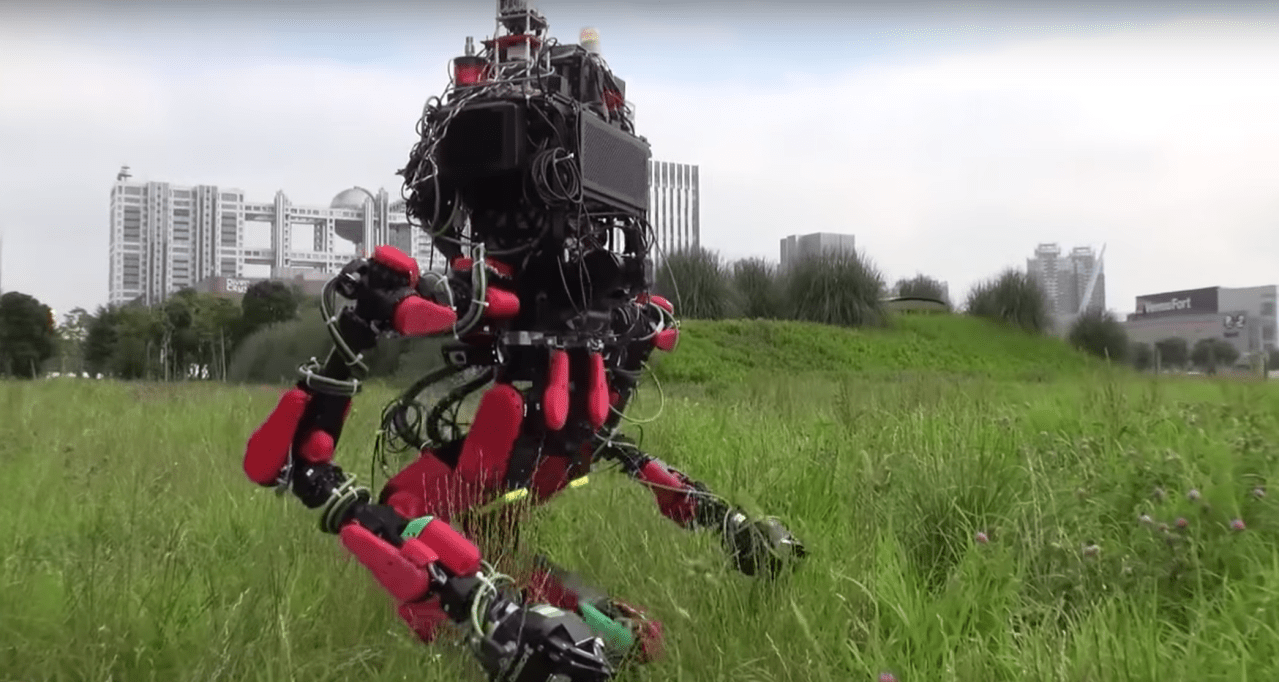
The world of robotics is filled with excitement and anticipation, heralding new advancements that promise to reshape our interaction with technology. One such pioneer was Schaft, a bipedal robotics unit under Google’s parent company, Alphabet. Unfortunately, recent news confirmed the shuttering of this innovative unit, leaving a void in the pursuit of humanoid robot development and disaster rescue applications. How did it come to this dire outcome, and what does this mean for the future of robotics? Let’s delve into the story.
A Brief History of Schaft
Founded in 2012 by a group led by University of Tokyo professor Yuto Nakanishi, Schaft was established with a vision to create humanoid robots capable of navigating disaster-ridden environments. In 2013, Alphabet acquired Schaft along with Boston Dynamics—a company known for its extraordinary robots like Spot and Atlas. Despite its ambition, Schaft remained relatively obscure compared to its more flamboyant counterpart.
The Journey Towards Closure
- Attempts at Acquisition: Schaft was initially placed on the market and was even expected to be sold to SoftBank alongside Boston Dynamics, but the deal fell through for unspecified reasons. This failed acquisition left Schaft without the opportunities it desperately needed.
- A Shift in Focus: As time went on, Alphabet’s robotics strategy shifted gears, leading to a preference for industrial robots and non-humanoid designs. This change in vision significantly sidelined Schaft’s potential and left it struggling to adapt.
- Leadership Changes: The departure of Andy Rubin, the high-profile robotics figure, amidst a controversial atmosphere, further accelerated the unit’s decline. The internal reshuffling led to a loss of strategic direction, contributing to the eventual decision to close shop.
Impact on Robotics and Future Directions
The discontinuation of Schaft represents a critical moment not just for Alphabet but for the robotics field as a whole. With many companies pivoting towards industrial applications, humanoid robots like those being developed by Schaft could become less common. This raises important questions: Are bipedal robots truly needed? Can they complement existing technology, or have they become redundant?
While companies like Boston Dynamics continue to captivate audiences with their groundbreaking designs, the need for assistance in disaster situations remains significant. It seems that the market is currently favoring solutions that are immediately applicable, like robotic arms that can operate in controlled environments, over those that walk and interact with unpredictable terrains.
Looking Ahead: The Future of Humanoid Robots
The reality of Schaft’s closure should inspire introspection among robotics enthusiasts and innovators alike. It’s essential to recognize that while the potential for humanoid robots to assist in disaster relief remains, the economic viability and application of such technology need thorough exploration. Companies must find a balance between innovation and practicality, assessing market needs and investing in technology that offers tangible benefits.
Conclusion
The closure of Schaft underscores the dynamic nature of the robotics field, where innovation must be matched with strategic foresight and market alignment. As we move forward, one could hope that this downturn in humanoid robot development is simply a pause, rather than an end. The pursuit of inventive technologies should continue, ensuring that the lessons learned from Schaft’s journey fuel the next wave of robotics innovation.
At **[fxis.ai](https://fxis.ai/edu)**, we believe that such advancements are crucial for the future of AI, as they enable more comprehensive and effective solutions. Our team is continually exploring new methodologies to push the envelope in artificial intelligence, ensuring that our clients benefit from the latest technological innovations. For more insights, updates, or to collaborate on AI development projects, stay connected with **[fxis.ai](https://fxis.ai/edu)**.