
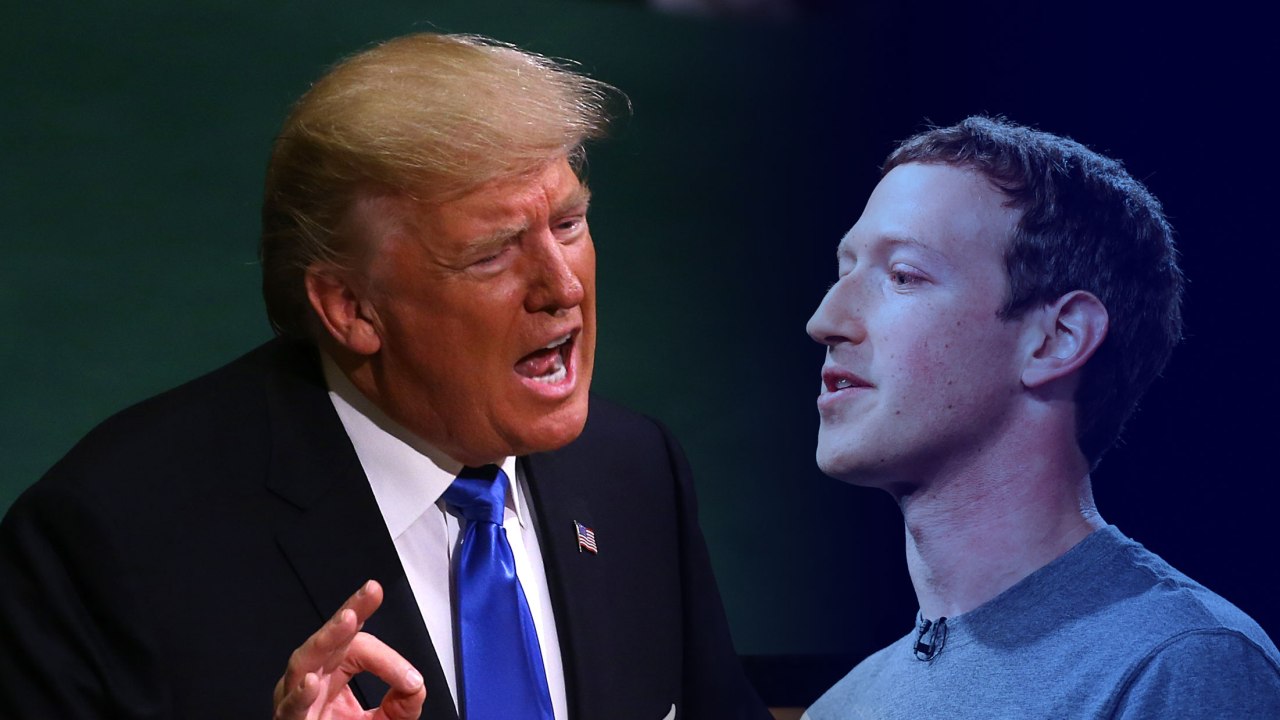
In the digital age, social media platforms like Facebook and Twitter often find themselves at the intersection of politics and public opinion. The debate surrounding political bias in these networks has gained substantial traction, particularly when high-profile personalities voice their concerns. One notable example includes a certain tweet from former President Donald Trump that accused major tech companies of bias against conservative views. However, while such claims make headlines, they often distract us from more pressing issues within the social media ecosystem.
Twitter’s Responses and the Illusion of Bias
Trump’s outcry tagged Facebook, Twitter, and Google as entities allegedly favoring Democrats. Interestingly, the response from Twitter was succinct, emphasizing the platform’s focus on maintaining a healthy service by combating fake accounts and malicious activities. They stated: “Our focus is on the health of the service, and that includes work to remove fake accounts…” This acknowledgment of the platform’s priority shows a shift in how social media entities are responding to external pressures.
Facebook’s Indifference to Accusations
Unlike Twitter, Facebook’s reaction to Trump’s allegations was minimal. A spokesperson’s quick dismissal implied that the social network might be growing weary of constantly addressing the political narrative. This doesn’t mean Facebook’s controversies are solved, however. With ongoing discussions about privacy breaches, misinformation, and economic models reliant on user-generated content, the platform appears preoccupied with internal conflicts more pressing than political accusations.
The Bigger Picture: Structural Issues Over Political Narratives
It’s essential to distinguish between legitimate concerns regarding public discourse and the distractions posed by political tweet storms. As Facebook and its counterparts grapple with accountability, they face challenges stemming from user behaviors, algorithm transparency, and ethical concerns over content moderation. These systemic issues need to be at the forefront of public dialogue, as they directly impact democratic engagement and the overall health of online communication.
- Misinformation and Fake News: Platforms struggle against false narratives and hoaxes that can skew public understanding and sentiment.
- User Privacy: Ongoing scrutiny over data practices has made users more cautious, complicating how platforms gather and utilize information.
- Algorithmic Bias: The algorithms that power these networks often lead to echo chambers, inadvertently filtering diversity in thought.
Conclusion: Beyond the Tweets
While Trump’s tweets about the supposed bias of social media platforms serve as effective political soundbites, they fail to encapsulate the complexity of the challenges these companies encounter. It’s high time we focused on the structural problems that can genuinely affect user experience and discourse. By shifting our attention away from transient claims of bias, we can better engage with the underlying issues imperative to ensure a healthier digital public sphere.
At fxis.ai, we believe that such advancements are crucial for the future of AI, as they enable more comprehensive and effective solutions. Our team is continually exploring new methodologies to push the envelope in artificial intelligence, ensuring that our clients benefit from the latest technological innovations. For more insights, updates, or to collaborate on AI development projects, stay connected with fxis.ai.