
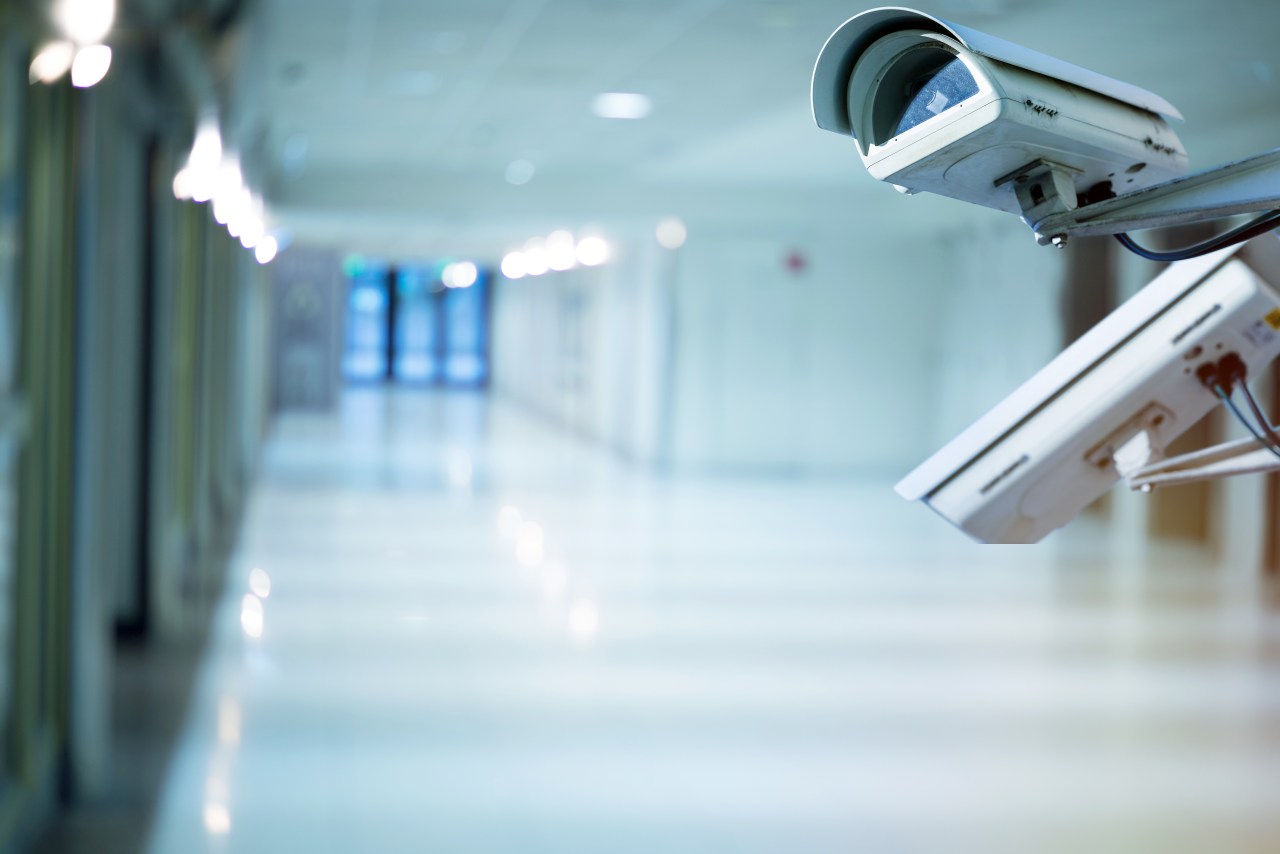
In recent years, the landscape of corporate surveillance and monitoring has rapidly evolved, driven by advancements in technology and increasing concerns over employee behavior and integrity. Amidst this transformation, a nuanced conversation has emerged surrounding the issues of continuous background checks and the inherent trust dilemma they pose within organizations. As startups and established firms alike scramble to implement these tools, the question of whether such monitoring is conducive to a healthy workplace culture is increasingly relevant. Let’s explore the implications of continuous checks while examining the fine line between security and trust.
Understanding Continuous Background Checks
Ongoing monitoring, or continuous background checks, represents a shift from traditional screening methods towards real-time scrutiny of employee behavior. Companies like Intelligo are spearheading this change by leveraging artificial intelligence and machine learning to provide firms with insights into their workforce that were previously unattainable. This service can alert employers if an employee’s background suddenly changes—for instance, if they engage in illegal activities outside of work.
- Improved Security: Continuous checks can potentially mitigate risks by signaling behavioral changes that might jeopardize a company’s integrity.
- Potential Issues: A culture of mistrust may emerge among employees, exacerbated by the feeling of being perpetually monitored.
The Paradox of Surveillance
While the rationale behind continuous monitoring appears straightforward—preventing damage to a company’s reputation or finances—the ramifications on workplace culture can be perplexing. Companies like Checkr have adopted “Continuous Check” programs to ensure they maintain a secure environment for all their employees. However, as monitoring extends into all facets of employee behavior—from web traffic to communications—companies must grapple with the consequences of their surveillance tactics.
As the workplace environment becomes highly regulated, employees may feel a strong inclination to conform strictly to policies out of fear rather than genuine adherence to organizational values. This reliance on constant oversight can inadvertently signal a lack of trust in employees, which could hinder innovation and morale—a critical factor for startups looking to forge dynamic cultures.
The Comparison to Social Credit Systems
The conversation surrounding continuous monitoring brings to mind the heated debates surrounding China’s social credit system. Although the purpose of such systems is to promote compliance and good behavior, they have faced significant criticism from those who believe they compromise individual freedoms and privacy. When juxtaposed with corporate monitoring practices in the West, one has to wonder if we are gradually treading on a similar path.
In countries where social trust is lacking, a scoring system may be viewed as a positive tool for fostering accountability. Conversely, in organizations that prioritize a trusting culture, excessive monitoring could stifle creativity and discourage proactive problem-solving among employees.
Striking a Balance Between Monitoring and Trust
The urge to secure work environments through comprehensive monitoring must be balanced with the need to cultivate a culture of trust. For many startups and innovative tech companies, fostering an environment where employees feel empowered and respected can contribute significantly to long-term success. Employees should be encouraged to act ethically, even without oversight, and given the autonomy to make decisions that align with company values.
Before implementing continuous monitoring, company leaders should consider conducting a thorough evaluation of their organizational culture. Initiating open dialogs with employees about their concerns related to surveillance can help strike a balance between necessary security measures and fostering a culture of trust.
Conclusion: The Way Forward
As companies continue to navigate the complexities of employee monitoring, understanding the implications of continuous background checks is essential. While ensuring safety and compliance is undeniably important, leaders must also prioritize creating an environment that encourages honesty, responsibility, and open communication. By carefully assessing the value of monitoring against its potential downsides, organizations can create a sound strategy that recognizes and nurtures the unique dynamics of their workforce.
At fxis.ai, we believe that such advancements are crucial for the future of AI, as they enable more comprehensive and effective solutions. Our team is continually exploring new methodologies to push the envelope in artificial intelligence, ensuring that our clients benefit from the latest technological innovations. For more insights, updates, or to collaborate on AI development projects, stay connected with fxis.ai.