
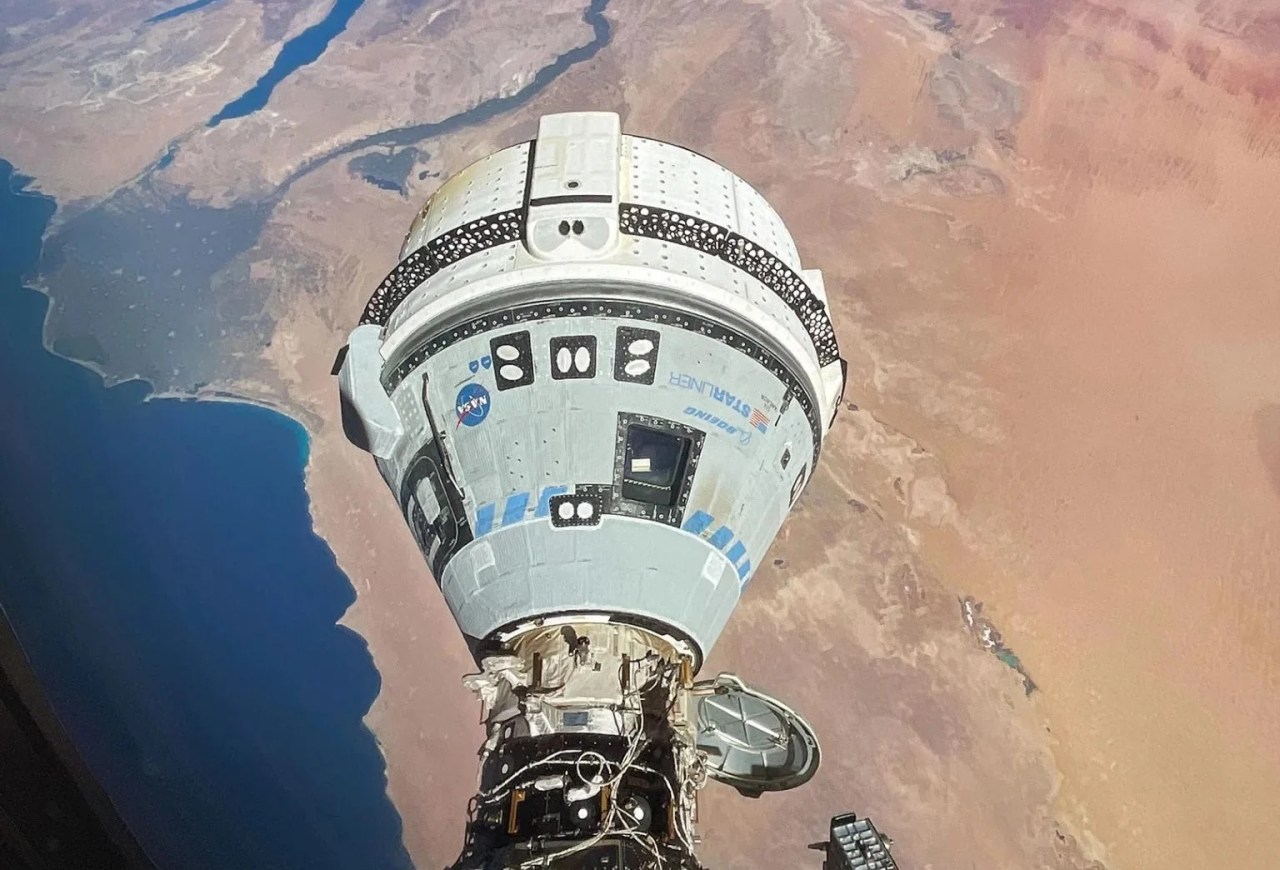
Excitement builds in the world of space exploration as Boeing’s Starliner spacecraft prepares to return to Earth after an extended 93-day mission. This moment marks a significant chapter in human spaceflight, bridging the gap between traditional aerospace giants and the new wave of commercial space endeavors. This blog post will delve into the mission’s background, the challenges faced, and what’s next for both Boeing and NASA.
A Milestone Mission
Boeing’s Starliner launched on June 5, 2023, as part of a crucial crewed test mission under NASA’s Commercial Crew Program. With a hefty contract valued at $4.2 billion secured back in 2014, this program aimed to diversify astronaut transportation to the International Space Station (ISS) by making use of American commercial capabilities. Starliner’s test run was more than just a precursor to regular flight operations; it was a stepping stone in restoring American leadership in space transportation following the retirement of the Space Shuttle.
The Challenges Encountered
The path to Starliner’s return was anything but smooth. Technical issues plagued the spacecraft soon after its launch, including:
- Malfunctioning thrusters
- Helium leaks within the propellant system
These challenges prompted NASA and Boeing engineers to extend the mission duration from a planned seven days to over 90, which certainly tested both teams’ resilience and adaptability. Ultimately, it was determined that the spacecraft should return empty, leaving NASA astronauts Butch Wilmore and Suni Williams to continue their mission aboard the ISS until February 2025. Instead of utilizing Starliner for their return, the astronauts will return in SpaceX’s Dragon capsule, a testament to SpaceX’s current leadership in crew transport services.
What’s Next for Starliner?
Despite these setbacks, Boeing remains committed to the Starliner program. The aerospace firm is diligently analyzing the root causes of the anomalies and aims to rectify them before the next test mission. However, the timeline for this next spacecraft’s readiness remains uncertain. This situation begs the question: can Boeing keep pace with the accelerating developments in commercial spaceflight, particularly against competitors like SpaceX?
Where to Watch Live
For those captivated by this historic moment, NASA will begin streaming Starliner’s undocking from the ISS at 5:45 p.m. EDT. Following that, the atmosphere will be charged with anticipation as the spacecraft prepares for its descent. Landing at the White Sands Missile Range around midnight EDT, viewers can witness the careful orchestration of a soft landing using parachutes and airbags. NASA will also cover the reentry and landing in a separate stream starting at 10:50 p.m. EST, adding to the excitement. Don’t miss out; tune in and experience this thrilling cosmic drama live!
Conclusion: The Future Awaits
The return of Starliner emphasizes not only the complexities of modern space missions but also the potential for collaboration between traditional aerospace corporations and cutting-edge commercial entities. As Boeing navigates the challenges ahead, one thing is clear: the future of space exploration is a thrilling landscape of competition and innovation. For enthusiasts and professionals alike, this is an exhilarating time to stay involved in the advances in human spaceflight.
At **[fxis.ai](https://fxis.ai/edu)**, we believe that such advancements are crucial for the future of AI, as they enable more comprehensive and effective solutions. Our team is continually exploring new methodologies to push the envelope in artificial intelligence, ensuring that our clients benefit from the latest technological innovations.
For more insights, updates, or to collaborate on AI development projects, stay connected with **[fxis.ai](https://fxis.ai/edu)**.