
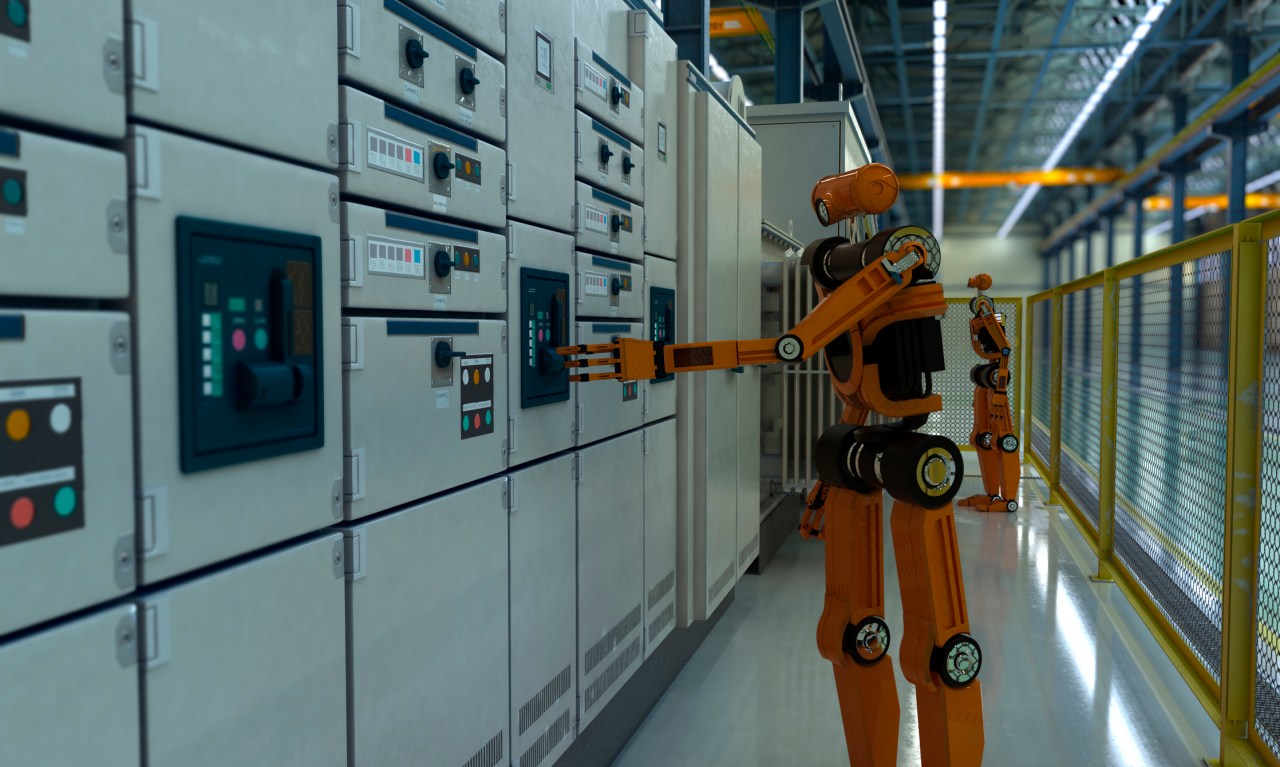
The narrative surrounding robots and automation often evokes a sense of foreboding. As we stand on the precipice of technological advancement, many fear that these innovations will carry away jobs like leaves swept up in an autumn gust. However, what does history reveal about the relationship between technology and employment? And are we risking stagnation in a fiercely global economy if we let fear anchor our spirits? Let’s delve into the impact of robots on the workforce and seize the opportunity to envision their potential.
History: A Mirror of Transformation
Throughout history, technological advancements have been viewed as both benevolent and malevolent. The narrative is encapsulated in the Industrial Revolution where the introduction of machines led to the obsolescence of certain jobs but concurrently birthed an entirely new class of occupations. The transition was not easy; however, it opened avenues for better-paying and more stable jobs, transforming the labor landscape.
Research from Deloitte recently suggested that today’s robots might not be rendering entire job roles extinct, but rather redefining them. As robots take on monotonous tasks, they free humanity to engage in work that is richer, more creative and intellectually fulfilling. This cyclical nature of technology enabling new roles is well-documented historically and suggestively reminds us that progress and adaptation often go hand in hand.
Improved Productivity: Creating More Than Just Jobs
Contrary to popular belief, advancements in robots don’t merely replace human effort; they significantly enhance productivity. A report from the Center for Economic Research studied the impact of robotics across various industries, revealing that enhanced productivity often correlates with wage growth. In industries where robots were integrated, the overall employment rate remained stable while wages saw an upward trajectory.
- Robots excel at handling repetitive and hazardous tasks, like warehouse sorting or assembly line operations.
- This delegation of tasks allows human workers to focus on more complex, rewarding roles such as design, analysis, and customer interaction.
Just like the railroads and highways revolutionized transportation, today’s robots can enhance efficiency, culminating in enhanced economic growth that has profound implications on job creation.
Fostering Innovation in a Competitive World
The need of the hour is to fully embrace technological innovation rather than retreat into comfort. The United States ranks at 8th on the Bloomberg Innovation Index, trailing behind nations like South Korea and Germany. Rejecting robot-led automation would mean conceding a competitive advantage that others are eager to seize. To ensure that we thrive on the global stage, we must accelerate our technology adoption race.
The argument for innovation isn’t merely rooted in economic competition; it is also about enhancing the quality of everyday life. Technologies have delivered breakthroughs in healthcare, communication, and day-to-day convenience. As we ponder the arrival of robots, we should welcome them not as job-stealers but as vital contributors to our evolving economic kaleidoscope.
Bridging the Skills Gap: Inclusion in the Technological Journey
As automation shifts the employment paradigm, one question looms large: What about those workers left in the wake of technological upheaval? The answer lies in collaboration. Education and re-training programs must pivot to equip individuals with the skills to synergize with new technological partners—like operating and maximizing the output of robots.
Robots are becoming increasingly user-friendly, with intuitive interfaces designed so that everyone can learn to work alongside them. Such partnerships are not confined to tech-savvy sectors but expand into hospitality, healthcare, and retail. As robots relieve humans from grunt work, we unlock opportunities for workers to pursue greater aspirations.
Conclusion: A Bright Future with Robots
While the specter of job loss looms over discussions about robots and automation, history reassures us that change is a catalyst for renewal. Our journey into the future doesn’t need to be shrouded in fear; instead, it should be a celebration of our ability to adapt and grow. By embracing innovative technologies, we are not just preserving but also enhancing the rich tapestry of employment opportunities ahead.
At fxis.ai, we believe that such advancements are crucial for the future of AI, as they enable more comprehensive and effective solutions. Our team is continually exploring new methodologies to push the envelope in artificial intelligence, ensuring that our clients benefit from the latest technological innovations. For more insights, updates, or to collaborate on AI development projects, stay connected with fxis.ai.