
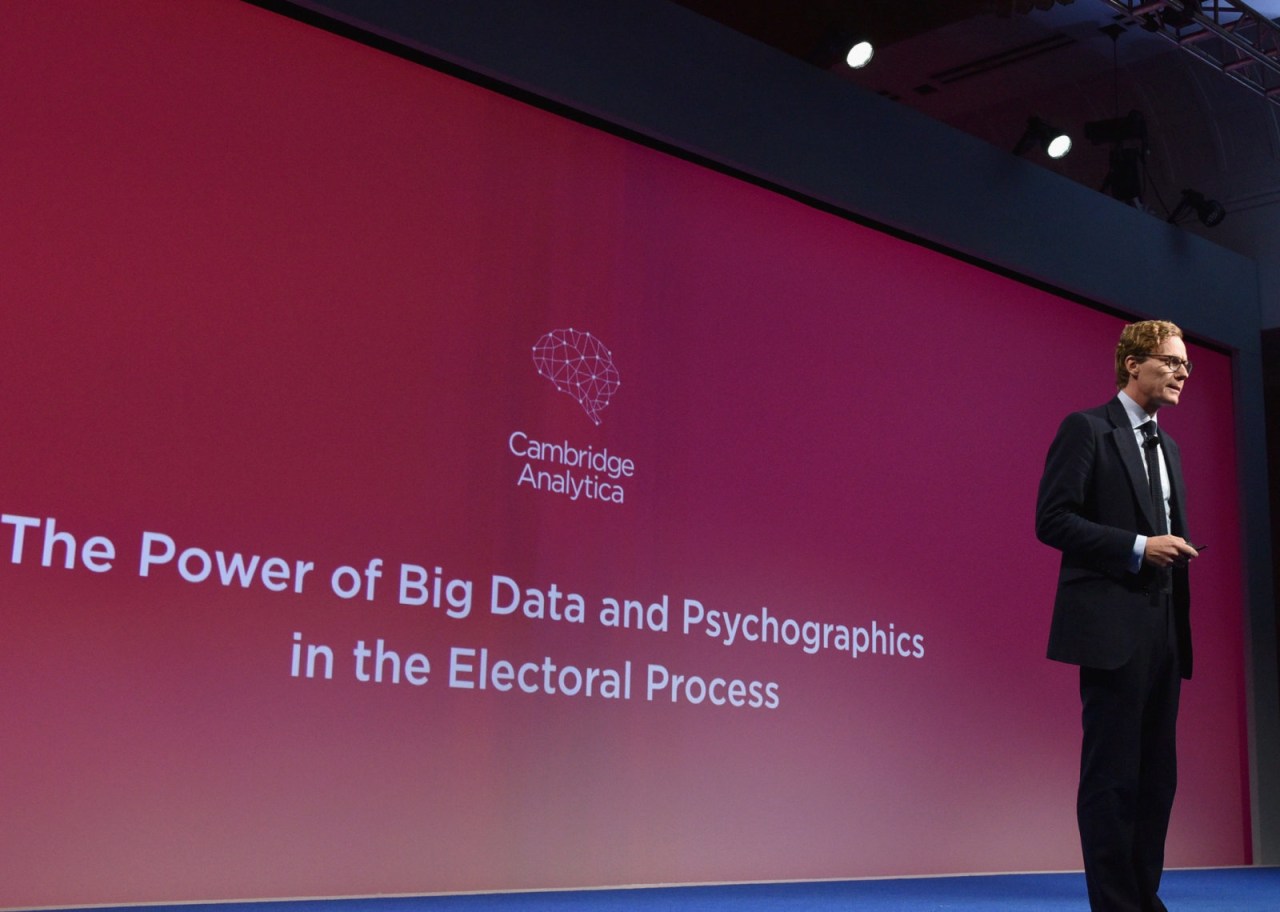
In recent years, the narrative surrounding the UK’s tumultuous journey towards Brexit has been filled with allegations, investigations, and revelations that provoke discussions about democracy and data privacy. Recently, fresh evidence emerged thanks to Brittany Kaiser, a former director at Cambridge Analytica, shedding light on how data manipulation played a pivotal role in the Brexit referendum. This new information highlights the murky tactics employed to shape voter perceptions and behaviors, calling into question the legitimacy of the processes that guided one of the UK’s most consequential votes.
Unraveling the Data Chain
At the heart of this storm is a tangled web connecting UKIP, Leave.EU, and Cambridge Analytica. During a recent session with the Digital, Culture, Media and Sport (DCMS) committee, Kaiser presented evidence that starkly contradicts previous claims that Cambridge Analytica had no involvement in the Leave.EU campaign. Internal documents revealed communications demonstrating that membership data from UKIP was indeed utilized to create detailed voter profiles aimed at national microtargeting.
- Breach of Trust: The documents lay bare the stark divide between public statements and private actions. While both the heads of Leave.EU and Cambridge Analytica contended there had been no collaborations, Kaiser’s documents indicate otherwise.
- Legal Gray Areas: As the correspondence progressed, concerns regarding the legality of the microtargeting strategy surfaced. The fear of infringing on UK data protection laws loomed large, suggesting an awareness of the ethical implications of their work.
A Strategy Built on Shadows
Kaiser’s testimony reveals a sophisticated strategy centered around understanding pro-Brexit voters deeply. During briefings, Cambridge Analytica prepared to present insights gleaned from UKIP’s data without disclosing their true intention: to engage in microtargeting. This tactic was reminiscent of the controversial methods employed during the U.S. presidential elections.
Critical to note is how the plans involved identifying and segmenting potential voters into categories such as ‘Eager Activists’ and ‘Left Behind’. This level of personalization demonstrates a striking shift towards exploiting psychological profiling within political campaigning, a stark departure from traditional broadcasting methods.
The Fallout and Future Implications
With the release of Kaiser’s evidence, calls have echoed through Parliament for re-examinations of previous investigations by the Electoral Commission. Ian Lucas, a member of the DCMS committee, reinforced the need to revisit the Leave.EU campaign due to these fresh revelations. The implications of such findings call into question the very fabric of electoral integrity, especially as the ethical ramifications continue to unfold in full view of a public grappling with the ramifications of Brexit.
The broader recommendations from the preliminary report demand urgent actions to counter misinformation and build resilience against manipulation. This marks a crescendo in a long-standing debate about the role of technology and data privacy in modern democracy.
Conclusion: Toward a More Transparent Political Landscape
The ongoing revelations regarding data misuse and the dark arts of political campaigning lead us to a crucial juncture. The evidence submitted by Kaiser serves not only as a historical record but also as a wake-up call to refine electoral practices, push for transparency in political messaging, and safeguard against future abuses. As the UK navigates the complexities of Brexit, it must also reckon with the integrity of its democratic processes.
At **[fxis.ai](https://fxis.ai/edu)**, we believe that such advancements are crucial for the future of AI, as they enable more comprehensive and effective solutions. Our team is continually exploring new methodologies to push the envelope in artificial intelligence, ensuring that our clients benefit from the latest technological innovations.
In a world where data increasingly shapes opinions and election outcomes, the demand for ethical governance of data practices has never been more pressing. For more insights, updates, or to collaborate on AI development projects, stay connected with **[fxis.ai](https://fxis.ai/edu)**.