
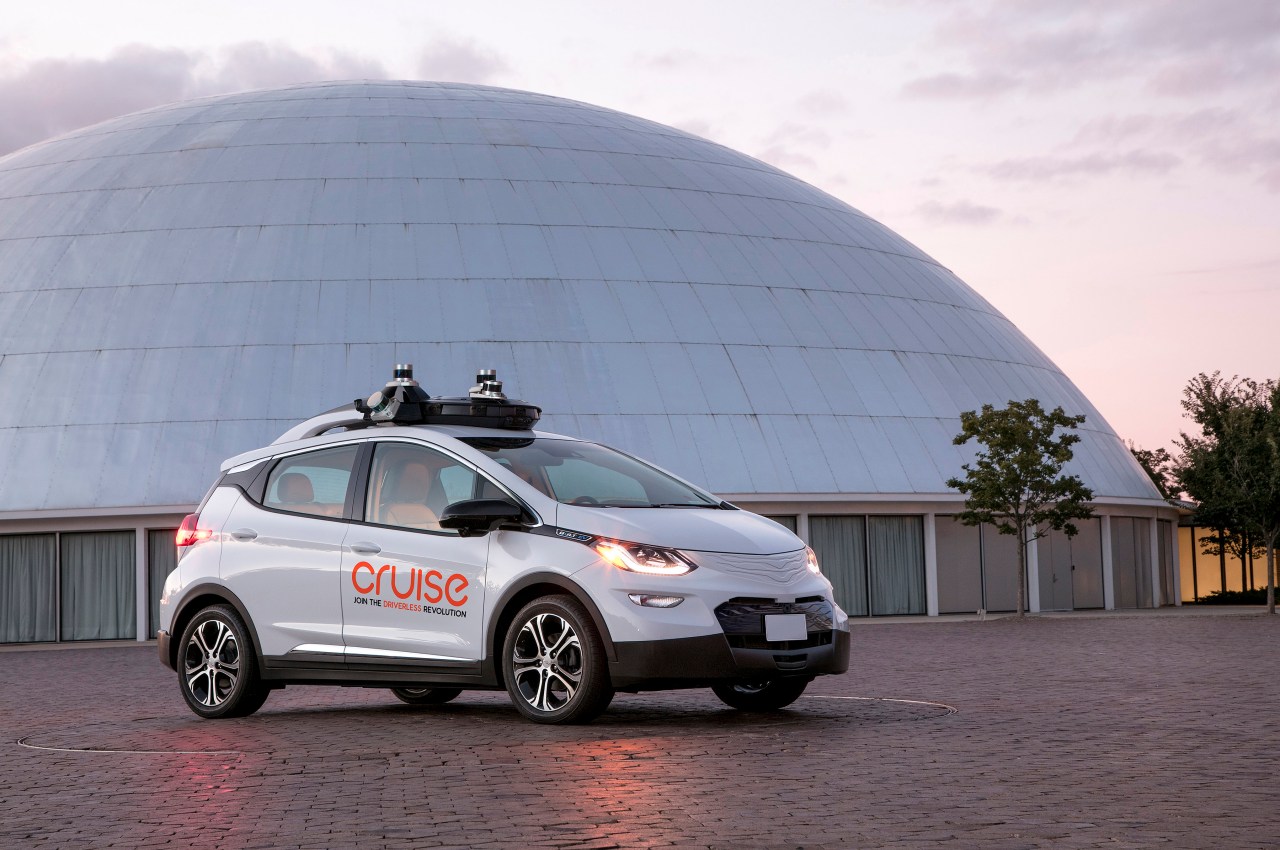
In a significant leap forward for autonomous vehicles, Cruise Automation, under the stewardship of General Motors (GM), has unveiled an ambitious plan to mass-produce self-driving cars. The announcement, made by Cruise CEO Kyle Vogt, marks a pivotal moment not just for the company but for the future of transportation as a whole. As we venture deeper into this new reality, it’s essential to unravel the layers of this groundbreaking development.
What Makes This Initiative a Game-Changer?
The unveiling of the first mass-production self-driving vehicle is groundbreaking, primarily for its potential scale. Historically, the market has been flooded with one-off prototypes and flashy presentations, but Cruise aims to do something different; they want to manufacture cars in the hundreds of thousands. This move is a calculated strategy designed to address safety concerns and enhance efficiency.
Technical Design and Components
The vehicle is based on a third-generation self-driving platform, specifically utilizing the Chevrolet Bolt framework. Here’s what sets it apart:
- Full Redundancy: The self-driving system features full redundancy, ensuring that any failure does not compromise operational safety.
- New Parts: Although the exterior may resemble the standard Bolt EV, around 40% of its components are new, focused on building a robust and reliable autonomy platform.
- Mass Production Capability: With the Orion assembly center ready to produce these vehicles in high volumes, the framework is now in place for rapid scaling.
The Road Ahead: Challenges and Opportunities
While the announcement is futuristic, it comes with challenges. Doug Parks, VP of Autonomous Technology at GM, emphasizes that there’s still considerable work to be completed before these vehicles hit the roads for public use. Regulatory hurdles, software development, and operational refinement are paramount in this next phase.
One of the key challenges identified by Vogt is the technical difficulties in retrofitting existing vehicles for autonomous technology. The decision to build a robust production model from the ground up aims to eliminate these issues and facilitate a smoother transition to mass deployment.
What Will the Future Look Like?
As Cruise positions itself at the forefront of the autonomous vehicle market, the goal remains clear: to enhance safety and usability within urban transportation systems. The planned deployment of these self-driving cars will initially be through the “Cruise Anywhere” on-demand ride-hailing service, primarily aimed at its employees in San Francisco. This controlled environment will act as a testing ground before eventually rolling out to broader markets.
The vision extends beyond merely having autonomous vehicles on roads; Vogt stresses that true industry transformation lies in making these vehicles an integral part of the transportation ecosystem—efficiently deployed and reliably safe.
Conclusion: A Look to the Future
The mass production of self-driving cars by Cruise is not just an announcement; it represents a significant milestone in the evolution of transportation. By successfully integrating technology, safety, and manufacturing scalability, this initiative may very well reshape how urban mobility functions in the coming years. As development continues, stakeholders will watch eagerly to see how these vehicles fit into existing transportation networks and what impact they will have on daily commuting.
At fxis.ai, we believe that such advancements are crucial for the future of AI, as they enable more comprehensive and effective solutions. Our team is continually exploring new methodologies to push the envelope in artificial intelligence, ensuring that our clients benefit from the latest technological innovations. For more insights, updates, or to collaborate on AI development projects, stay connected with fxis.ai.