
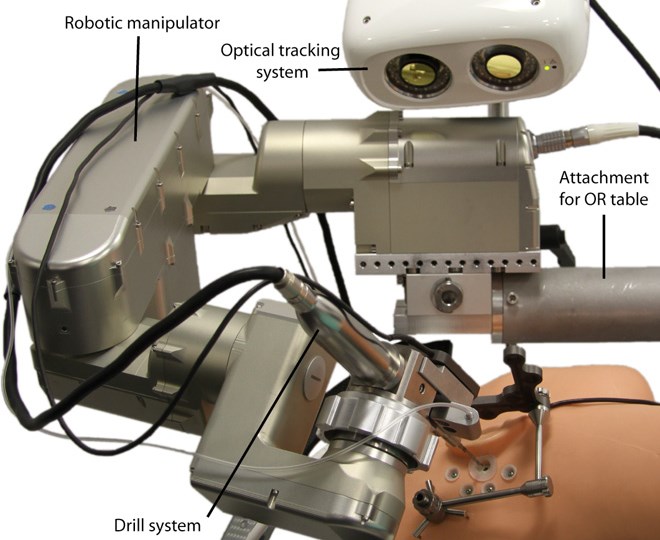
In the realm of medical innovations, there are always inventions that baffle and intrigue us. One such groundbreaking development is a robot specifically designed for skull drilling—a procedure typically utilized for cochlear implant surgeries. It’s easy to raise an eyebrow and wonder if we’ve crossed a line. But take a closer look, and you’ll find that this robotic marvel is not just a quirky addition to medical technology; it’s a harbinger of consistent surgical precision and capability.
Understanding Cochlear Implants and the Challenge of Microsurgery
Cochlear implants have revolutionized the way we address hearing loss, providing a means to directly stimulate the auditory nerve in individuals through implanted electrodes. Performing this procedure, however, is no small feat.
- Surgeons must navigate the complex anatomy of the ear and skull.
- Even the most minor slip can lead to irreversible damage, impacting both the hearing of the patient and their quality of life.
As the demand for cochlear implants surges, so does the need for safer, more reliable surgical techniques. This is where robotic assistance steps into the limelight.
A Revolution in Precision: The Robotic Trepanation Station
Researchers at the University of Bern have developed an innovative robotic system that targets precision like never before. This skull-drilling robot is specifically engineered to:
- Drill at exact depths and angles to minimize damage.
- Integrate seamlessly with surgical planning systems and stereo vision technologies.
- Provide live detection of tissue types during surgery.
This groundbreaking approach does not merely enhance the drilling process; it opens the door to further advancements in microsurgery, offering consistency where human precision may falter. Imagine a future where the likelihood of errors in such delicate surgeries plummets—thanks to the assistance of a robot designed for such tasks.
Beyond Cochlear Implants: Broader Implications of Robotics in Surgery
The implications of this technology extend far beyond cochlear implants. As robotic surgery garners increasing acceptance, similar innovations could be adapted for various types of microsurgical interventions. Examples could include:
- Neurosurgery, where precision is paramount as surgeons navigate critical areas of the brain.
- Orthopedic procedures, where exact alignment can affect recovery outcomes.
- Ophthalmic surgeries, where minor miscalculations can lead to major visual impairment.
With each advancement in robotic technology, we inch closer to a future where surgical outcomes could be largely predictable, paving the way for enhanced patient safety and improved surgical efficacy.
Conclusion: Embracing the Future of Medical Robotics
While the concept of robots performing intricate surgical tasks may seem daunting or even unsettling, it’s crucial to acknowledge the kind of transformative potential they bring to the medical field. As we witness the integration of artificial intelligence and robotics in surgeries, particularly with developments like the skull-drilling robot, we can remain optimistic about minimizing risks and maximizing the successes of critical procedures.
At fxis.ai, we believe that such advancements are crucial for the future of AI, as they enable more comprehensive and effective solutions. Our team is continually exploring new methodologies to push the envelope in artificial intelligence, ensuring that our clients benefit from the latest technological innovations.
For more insights, updates, or to collaborate on AI development projects, stay connected with fxis.ai.